
Beautiful Plants For Your Interior
Beautiful Plants For Your Interior
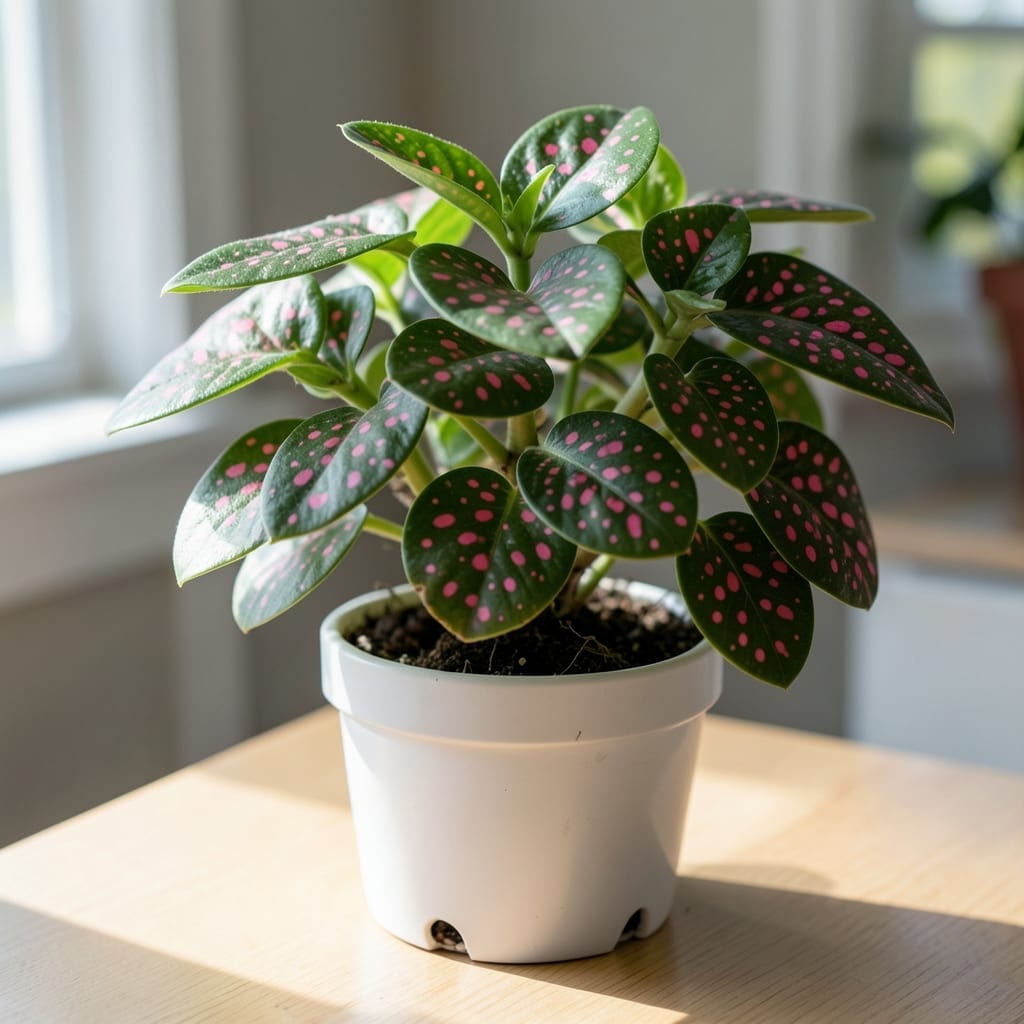
That sinking feeling when your polka dot plant’s leaves droop overnight. I’ve been there—watching vibrant pink spots turn sad and limp. The good news? Most causes are fixable within 24-48 hours if you act fast.
Overwatering tops the list, but underwatering, low humidity, or even a drafty window can do it. The fix starts with checking the soil: stick your finger in—if it’s soggy or bone-dry, you’ve found your culprit.
Once you adjust water and move it to stable conditions, new growth appears surprisingly quick. Leaves perk up, colors brighten, and that signature polka dot pattern returns.
Prevention is simpler than you think: consistent watering, good drainage, and a spot away from vents. No green thumb required.
The polka dot plant (Hypoesthes phyllostachya) is a vibrant, eye-catching houseplant, but its delicate nature means it can wilt quickly when conditions aren’t ideal. Below are the most common causes of wilting, explained with actionable insights to help you diagnose the issue.
This tropical plant thrives in 65–75°F (18–24°C) during the day and slightly cooler temperatures at night. Exposure to cold drafts (e.g., near AC vents or windows in winter) or heat sources (like radiators or direct sunlight) can cause rapid wilting. The plant’s cells lose turgor pressure under stress, leading to drooping leaves.
Overwatering is the #1 culprit. Soggy soil suffocates the roots, preventing oxygen uptake and leading to root rot—a silent killer. Conversely, underwatering leaves the plant dehydrated, with leaves curling or wilting to conserve moisture. Aim for consistently moist (not soggy) soil, and always use pots with drainage holes.
Polka dot plants need well-draining, peat-based soil to prevent waterlogging. Dense or compacted soil traps excess moisture, while sandy mixes dry out too fast. If the soil stays wet for days or crusts over, repot the plant in a light, aerated mix (e.g., 60% peat moss + 40% perlite).
Too much direct sunlight scalds the leaves, causing wilting and brown patches. Too little light weakens the plant, leading to leggy growth and drooping. Provide bright, indirect light (e.g., an east-facing window) and rotate the pot weekly for even exposure.
Native to humid Madagascar, this plant struggles in dry air (common in heated/air-conditioned homes). Wilting often signals a lack of ambient moisture. Maintain 50–60% humidity by misting the leaves, using a pebble tray, or placing a humidifier nearby.
Don’t panic if your polka dot plant is drooping—most causes are fixable with a few simple adjustments. Below are targeted solutions for each common issue, plus tips to keep your plant thriving long-term.
If the soil feels bone-dry, give your plant a deep watering until water drains from the bottom. For severe dryness, submerge the pot in a bowl of room-temperature water for 10–15 minutes to rehydrate the roots. Prevention tip 💡: Check soil moisture weekly—stick your finger an inch deep; if it’s dry, it’s time to water.
Stop watering immediately and let the soil dry out. Remove the plant from its pot, trim any black or mushy roots with clean scissors, and repot in fresh, well-draining soil. Use a pot with drainage holes to avoid future soggy soil. Prevention tip 🌱: Water only when the top inch of soil is dry, and always empty the saucer after watering.
Move your plant to a spot with bright, indirect light, like an east-facing window. If leaves are crispy or faded, it’s a sign of sunburn. Prevention tip ✨: Rotate the pot occasionally for even growth, and avoid harsh afternoon sun.
Keep your polka dot plant in a room between 65–80°F (18–27°C). Avoid drafts from AC units, heaters, or open windows. Prevention tip 🌡️: Group plants together to create a stable microclimate.
Use a balanced, water-soluble houseplant fertilizer diluted to half-strength every 4–6 weeks during the growing season (spring to fall). Yellow leaves often signal a lack of nutrients. Prevention tip 🎯: Flush the soil with water every 2–3 months to prevent salt buildup from fertilizers.
Wipe leaves with a damp cloth to remove pests like spider mites or aphids. For stubborn infestations, spray with a mix of water and neem oil or insecticidal soap. Prevention tip ✨: Inspect new plants before bringing them home, and isolate affected plants to prevent spreading.
Water when the top 1 inch of soil feels dry. Overwatering causes root rot, so always check moisture first. A deep watering once a week is better than frequent light sprinkles.
Yes, if the roots are still firm and white. Trim damaged roots, repot in fresh soil, and keep it in stable conditions. New growth should appear within 1-2 weeks.
Bright, indirect light works best. Avoid direct sun, which scalds leaves, and dark corners, which weaken the plant. An east-facing window is ideal.
Repotting stresses the plant. Wilting is normal for 24-48 hours as it adjusts. Keep it in a stable environment and avoid watering for a day.