
Beautiful Plants For Your Interior
Beautiful Plants For Your Interior
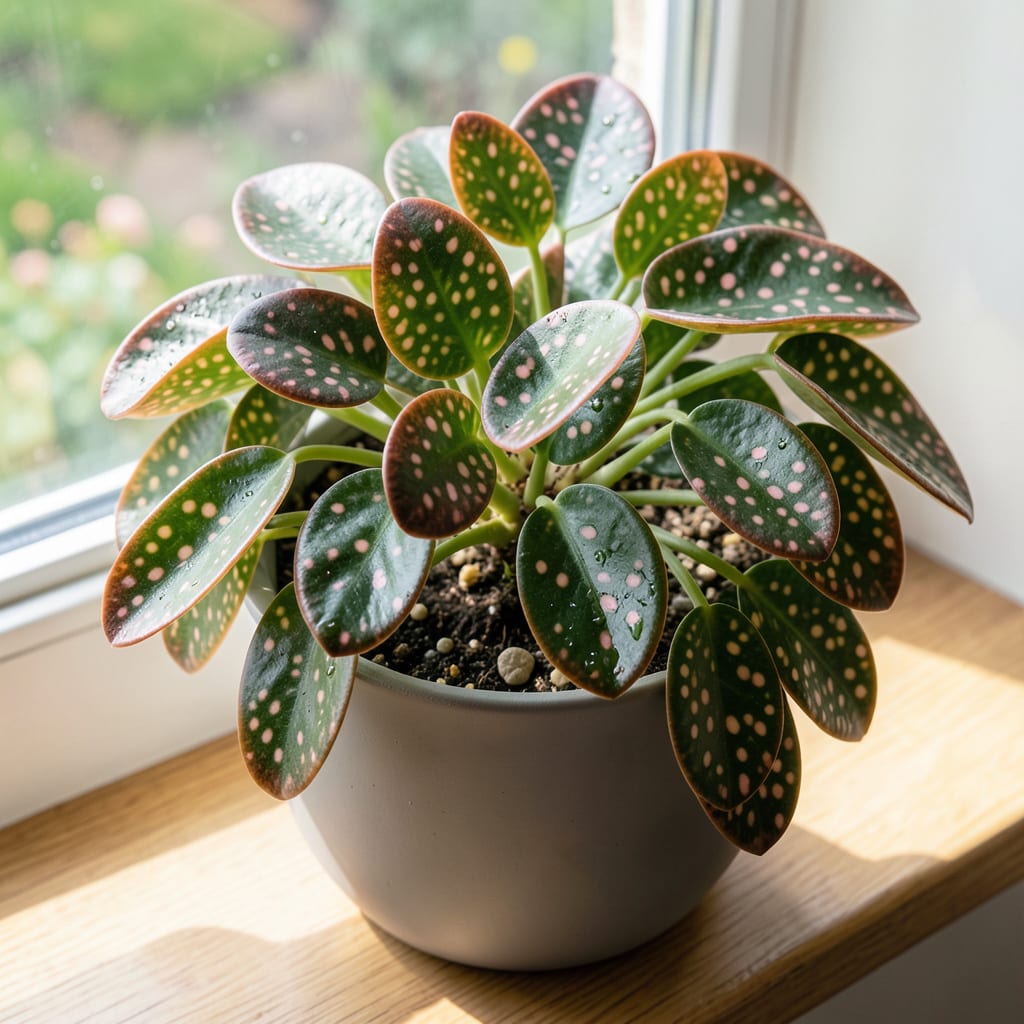
Brown tips on your polka dot plant mean it’s asking for help. I’ve rescued mine from crispy edges more times than I’d like to admit by fixing two simple things: water quality and humidity levels.
Most tap water contains fluoride and chlorine that burn those delicate leaf edges. Switch to filtered or distilled water, and you’ll see new growth come in clean and vibrant within weeks.
The other culprit is dry air. These tropical natives need 50-60% humidity to thrive. A pebble tray or small humidifier near your plant works wonders.
Prevention is easier than repair. Keep the soil lightly moist but never soggy, and watch those tips stay perfectly pink or white. Here’s how to get it right.
The Hypoestes phyllostachya, or polka dot plant, develops brown tips due to environmental stress or improper care. Below are the most common causes, explained scientifically and with actionable insights.
Polka dot plants are native to tropical regions like Madagascar, where humidity levels average 70–80%. When indoor humidity drops below 50%, the plant loses moisture through its leaves faster than it can absorb water from the soil. This transpirational stress causes the leaf edges and tips to dry out, turning brown and crispy. Use a hygrometer to monitor levels and maintain humidity with a pebble tray or humidifier.
Both underwatering and overwatering disrupt the plant’s cellular balance. Underwatering leads to xylem cavitation, where air bubbles block water transport, starving the leaves. Overwatering suffocates roots, preventing oxygen uptake and causing root rot, which manifests as brown, mushy tips. Water when the top 1–2 inches of soil are dry, ensuring the pot has drainage holes.
Polka dot plants thrive in temperatures between 65–75°F (18–24°C). Exposure to cold drafts (below 50°F/10°C) or heat sources (above 85°F/29°C) triggers stress responses. Cold damage disrupts membrane integrity, while heat accelerates water loss. Keep the plant away from AC vents, radiators, or direct sunlight, which can scorch tips.
Tap water often contains salts, chlorine, or fluoride, which accumulate in the soil over time. This osmotic stress prevents roots from absorbing water efficiently, leading to tip burn. Use filtered, distilled, or rainwater, and flush the soil every 4–6 weeks to remove excess minerals.
Polka dot plants thrive in 50-70% humidity. If your air is too dry:
Prevention tip: 💡 Use a hygrometer to monitor levels, especially in winter when indoor air dries out.
Soggy soil suffocates roots, leading to brown tips. Here’s how to fix it:
Prevention tip: ✨ Water less in cooler months when growth slows.
Direct sunlight scorches delicate leaves. Move your plant to:
Prevention tip: 🎯 Rotate the pot weekly for even light exposure.
Tap water chemicals (chlorine, fluoride) can cause tip burn. Try:
Prevention tip: 🌡️ Avoid cold water—use room-temperature to prevent shock.
These tropical plants need 50-70% humidity. Below 50%, leaves lose moisture too quickly, causing edges to dry and brown. A simple pebble tray can help boost humidity.
Check the soil: if it’s soggy or smells musty, you’re overdoing it. Wait until the top 1-2 inches are dry before watering again. Always use pots with drainage holes.
Often not. Chlorine and fluoride in tap water can cause tip burn. Use filtered, distilled, or rainwater instead, or let tap water sit out overnight to off-gas chemicals.
