
Beautiful Plants For Your Interior
Beautiful Plants For Your Interior
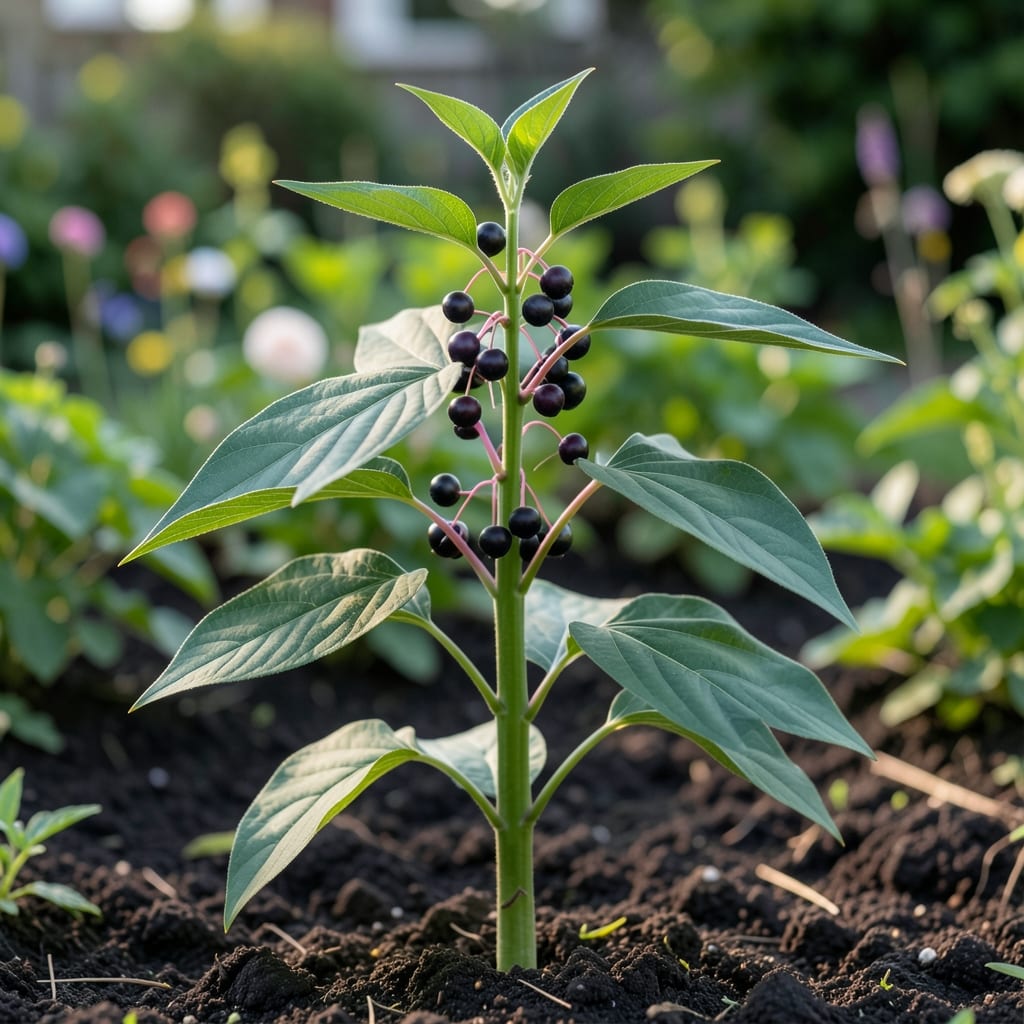
That deep purple stem caught my eye first. Poke weed leaves start as smooth, dark green ovals then turn a shocking magenta as they age—an unmistakable signature in any garden.
I learned the hard way this plant spreads fast. Left unchecked, it can take over flower beds and crowd out everything else. The berries look tempting but are toxic, so identification matters for safety.
Removal takes persistence. Pull young plants before they seed, or dig deep to get the taproot. Wear gloves—the sap can irritate skin, and those berries aren’t worth the risk.
Works in any climate where poke weed grows wild. Here’s how to spot it and stop it before it takes hold.
Poke weed (Phytolacca americana) thrives in specific conditions, often catching gardeners off guard. Understanding why it appears helps in prevention and control. Below are the primary causes of its growth.
Poke weed seeds lie dormant in the soil for years. When the soil is disturbed—through tilling, construction, or even foot traffic—these seeds get exposed to light and moisture, triggering germination. Actionable tip: Minimize unnecessary soil disruption in areas prone to poke weed.
This plant loves moist, fertile soil. Overwatering, poor drainage, or rainy seasons create the perfect environment for poke weed to sprout and spread. Actionable tip: Improve drainage in your garden and avoid overwatering to discourage its growth.
Poke weed flourishes in full sun to partial shade. Open fields, roadside ditches, and sunny garden patches are prime real estate for this invasive plant. Actionable tip: Use shade cloth or plant taller crops to block sunlight and suppress poke weed growth.
In bare or sparsely planted areas, poke weed faces little competition for resources. Its fast growth allows it to dominate space quickly. Actionable tip: Plant dense ground covers or mulch heavily to outcompete poke weed seedlings.
Birds and small mammals consume poke weed berries, then disperse the seeds through their droppings. This natural process can introduce poke weed to new areas. Actionable tip: Remove berries before they mature to prevent wildlife from spreading seeds.
If you’ve spotted pokeweed in your garden or yard, quick and safe removal is key. This section breaks down practical steps to tackle the problem and keep it from coming back. Follow these targeted solutions based on the most common scenarios.
For young plants or small patches, hand pulling is effective. Wear gloves and long sleeves to avoid skin contact with the sap, which can be irritating. Pull the plant from the root to prevent regrowth. Dispose of it in a sealed bag—do not compost, as seeds can survive and spread.
Prevention tip: 💡 Mulch bare soil areas to block sunlight and discourage new growth.
Larger pokeweed plants have deep roots, so digging may be necessary. Use a shovel to remove the entire root system. If digging isn’t an option, smother the plant with thick cardboard or a tarp for several weeks to kill it naturally.
Prevention tip: 🎯 Plant dense ground covers like clover or creeping thyme to outcompete pokeweed.
For widespread growth, mowing can prevent seeding, but it may not kill the roots. If you opt for herbicides, choose a glyphosate-based product and apply it carefully to the leaves, avoiding other plants. Always follow label instructions and wear protective gear.
Prevention tip: ✨ Regularly inspect your yard in early spring to catch and remove new shoots before they mature.
After removal, sanitize your tools with rubbing alcohol to avoid spreading seeds or sap. Monitor the area for new growth, as pokeweed can resprout from remaining roots or seeds in the soil.
Prevention tip: 🌡️ Maintain healthy soil with organic matter to support desirable plants that naturally suppress weeds.
Look for smooth, dark green oval leaves on purple stems. Young plants start small but grow quickly, with leaves turning magenta as they mature. The stems often have a reddish tint even early on.
No, always wear gloves. The sap can irritate skin, and all parts of the plant are toxic if ingested. Wash hands thoroughly after handling, even with protection.
Vinegar may kill top growth but often fails to destroy the deep taproot. For best results, combine with salt and dish soap, but expect to reapply. Digging is more reliable.
Under ideal conditions, a single plant can produce thousands of seeds in one season. New plants can sprout within 2-3 weeks after seeds drop, spreading rapidly in disturbed soil.