
Beautiful Plants For Your Interior
Beautiful Plants For Your Interior
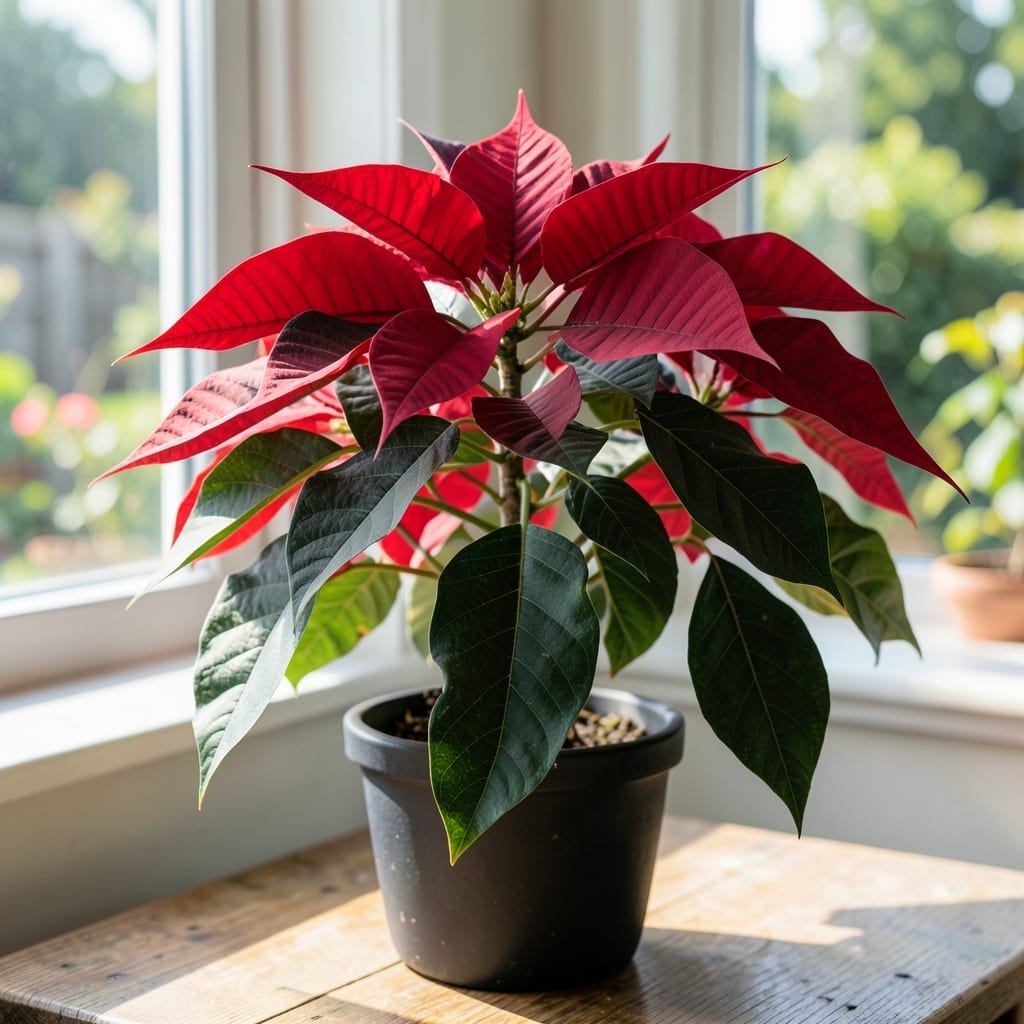
Your poinsettia’s dramatic leaf droop isn’t just sad—it’s fixable. I’ve nursed dozens back from the brink, and the solution is always simpler than you think.
Most cases come down to 3 common mistakes: too much water, not enough, or a sudden temperature shock. The plants bounce back fast once you correct the issue—often within 24-48 hours. No fancy tools required.
What you’ll get is a vibrant, upright plant that lasts through the season. The leaves perk up, the color deepens, and your holiday decor stays stunning without constant stress.
Works for store-bought plants, gifts, or ones you’ve had for weeks. Here’s how to diagnose and fix it fast.
Poinsettias are sensitive plants, and their leaves droop in response to stress or environmental changes. Here are the most common causes, explained with actionable insights:
Poinsettias thrive in 65–75°F (18–24°C) during the day and slightly cooler nights. Exposure to cold drafts (below 50°F/10°C) or heat sources (like radiators) disrupts their cellular function, leading to turgor loss—the pressure that keeps leaves rigid. Even brief exposure to cold air (e.g., during transport) can cause immediate wilting.
Overwatering suffocates roots, preventing oxygen uptake and causing root rot (Phytophthora or Pythium fungi). Underwatering, on the other hand, dehydrates cells, making leaves limp. Poinsettias prefer moist but well-draining soil—water when the top inch feels dry, and ensure pots have drainage holes.
Too little light weakens the plant, while direct, harsh sunlight (especially through windows) can scorch leaves, triggering drooping as a defense mechanism. Poinsettias need bright, indirect light (6+ hours daily) to maintain photosynthesis and structural integrity.
Indoor heating systems dry out the air, and poinsettias—native to humid Mexican climates—struggle in arid conditions. When humidity drops below 40%, leaves lose moisture faster than roots can replenish it, causing transpiration stress and drooping. Grouping plants or using a pebble tray can help.
Poinsettias are highly sensitive to ethylene, a plant hormone released by ripening fruits (e.g., apples, bananas) or gas leaks. Even low concentrations can trigger epinasty—a downward curling of leaves and stems—often mistaken for drooping. Keep them away from kitchens or fruit bowls.
Once you’ve identified the cause, these targeted fixes will help your poinsettia stand tall again. Follow the steps below for each issue, and include simple prevention tips to keep your plant thriving long-term.
If the soil is bone-dry, give your poinsettia a deep watering until water runs out of the drainage holes. Place the pot in a saucer of water for 10–15 minutes to ensure the roots absorb moisture. Prevention tip: 💡 Check soil moisture weekly by sticking your finger an inch deep—if it feels dry, it’s time to water.
Stop watering immediately and let the soil dry out. Remove the plant from its pot and inspect the roots—trim any that are mushy or black. Repot in fresh, well-draining soil. Prevention tip: 🎯 Use a pot with drainage holes and water only when the top inch of soil is dry.
Move your poinsettia away from drafts, heaters, or cold windows. Aim for a consistent temperature between 65–75°F. If it’s been exposed to cold, wrap it in a light cloth to gradually warm it up. Prevention tip: ✨ Keep it in a room with stable temperatures, away from vents or doors.
Relocate your poinsettia to a spot with bright, indirect light for at least 6 hours a day. Rotate the pot occasionally for even exposure. Prevention tip: 🌞 Avoid direct sunlight, which can scorch the leaves, but ensure it’s not stuck in a dim corner.
Wipe leaves with a damp cloth to remove pests like spider mites or whiteflies. Use neem oil or insecticidal soap for severe cases, following the product instructions. Prevention tip: 🔍 Inspect leaves regularly and keep the plant clean to deter pests.
Water when the top 1 inch of soil feels dry. Usually every 5-7 days in cool rooms, more often in warm, dry environments. Always check moisture first to avoid overwatering.
Yes! Even 10 minutes in temps below 50°F can make leaves wilt. Move it to a warm spot and it should recover within 24 hours. Keep away from drafty doors.
Submerge the pot in room-temperature water for 15 minutes, then drain. This rehydrates roots fast for underwatered plants. For overwatered ones, stop watering and let soil dry.
Skip misting—it can encourage fungal issues. Instead, place the pot on a pebble tray with water or use a humidifier. Aim for 40-50% humidity for best results.