
Beautiful Plants For Your Interior
Beautiful Plants For Your Interior
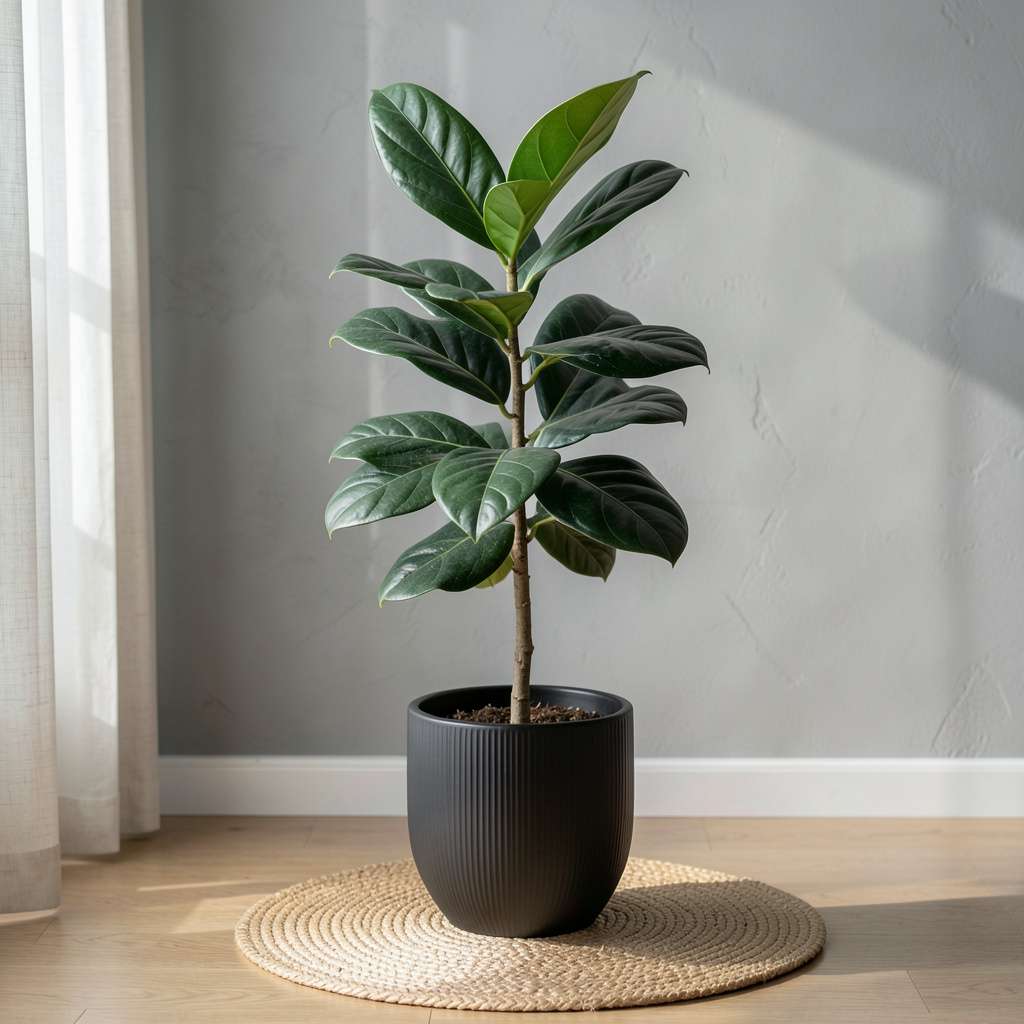
Rubber plants grow moderately fast, typically adding 12-24 inches per year under ideal conditions. With proper light, water, and occasional fertilization, they can reach 6-10 feet indoors within 5-10 years.
I’ve watched these tropical natives transform from tabletop plants to ceiling-grazing giants in just a few years. 🌿 The secret lies in replicating their natural habitat—bright, indirect light mimics the dappled sunshine of their rainforest origins, while consistent moisture (without soggy soil) keeps their growth steady. What surprises most new owners is how dramatically seasonal changes affect their pace: you’ll see noticeable spurts in spring and summer, then a restful slowdown in winter months.
From my experience, the right container size makes all the difference too. A root-bound rubber plant will stall completely, while one with room to expand can add several inches in just months. I always recommend checking the drainage holes—if roots are circling or poking through, it’s time for a larger pot and fresh soil. ✨
💡 In This Article
The growth rate of rubber plants hinges on their environment—particularly light exposure. In their native Southeast Asian rainforests, they thrive under dappled sunlight, which translates to bright, indirect light indoors. Plants receiving 6-8 hours of this quality light daily can grow 24+ inches annually, while those in low-light corners may only add 6-12 inches.
The difference is dramatic: I’ve seen identical plants in the same home grow at completely different paces based solely on window placement. 🌤️
Temperature and humidity play equally critical roles. Rubber plants flourish in 65-80°F ranges—temperatures below 55°F can stunt growth entirely. Humidity levels above 40% mimic their tropical origins, preventing leaf browning and encouraging new foliage.
During winter months, when indoor air dries out, growth often slows to a crawl unless you supplement with a pebble tray or humidifier. The seasonal shift is noticeable: my plants typically add 2-3 new leaves monthly in summer but may go dormant in winter. ❄️
Soil quality directly impacts nutrient absorption and root development. A well-draining mix with 60% peat/coir and 40% perlite/pumice prevents root rot while providing aeration. I always test soil moisture by inserting my finger 2 inches deep—if it feels dry, it’s time to water.
Overly compacted or waterlogged soil suffocates roots, leading to yellowing leaves and stunted growth. The right soil balance means you’ll see new leaves unfurling every 4-6 weeks during active growing seasons. 🌱
Container size creates physical limitations. Rubber plants in pots 2 inches wider than their root ball grow 30% faster than root-bound plants. I repot mine every 18-24 months, moving up just one pot size to prevent overpotting, which can lead to soggy soil.
Outdoor plants in tropical climates (USDA zones 10-12) can grow twice as fast as indoor specimens, reaching 10+ feet in half the time—though they’ll need wind protection to prevent leaf damage. 🌳
The plant’s age affects growth patterns too. Young rubber plants focus energy on establishing roots before vertical growth, while mature plants (3+ years old) can produce multiple new leaves simultaneously. I’ve noticed older plants develop thicker stems and larger leaves—some of mine have leaves spanning 12 inches across!
This maturation process explains why growth appears slow at first but accelerates dramatically after the first year with proper care. ⏳
Nutrient availability completes the picture. While rubber plants aren’t heavy feeders, a balanced 10-10-10 fertilizer applied monthly during spring/summer provides the nitrogen for leaf production and potassium for stem strength. Plants without supplemental nutrients may grow at half the normal rate, with smaller, paler leaves.
The difference is visible: fertilized plants develop that signature glossy sheen, while neglected ones appear dull and grow sporadically. ✨
This is completely normal! Rubber plants enter a dormant phase during colder months when daylight decreases. Growth typically slows or pauses entirely below 60°F. Reduce watering by half and avoid fertilizing until spring returns.
Actually, too-large pots can slow growth by causing soil to stay wet too long. Choose a container just 2-3 inches wider than the current root ball. This gives roots room to expand without risking waterlogged soil that stunts development.
Rotate your plant every 2-3 weeks by a quarter turn. This prevents lopsided growth toward the light source and promotes symmetrical leaf development. Variegated varieties especially benefit from consistent rotation to maintain their patterns.
Prune the top 6-8 inches in early spring, cutting just above a leaf node. This stimulates side shoots and creates a fuller plant. Always use clean shears and make cuts at a 45-degree angle to prevent stem damage.
Smaller new leaves usually indicate insufficient light or nutrients. Move your plant to a brighter spot (but avoid direct sun) and fertilize with a balanced 10-10-10 formula every 4-6 weeks during growing season. This should restore normal leaf size.
