
Beautiful Plants For Your Interior
Beautiful Plants For Your Interior
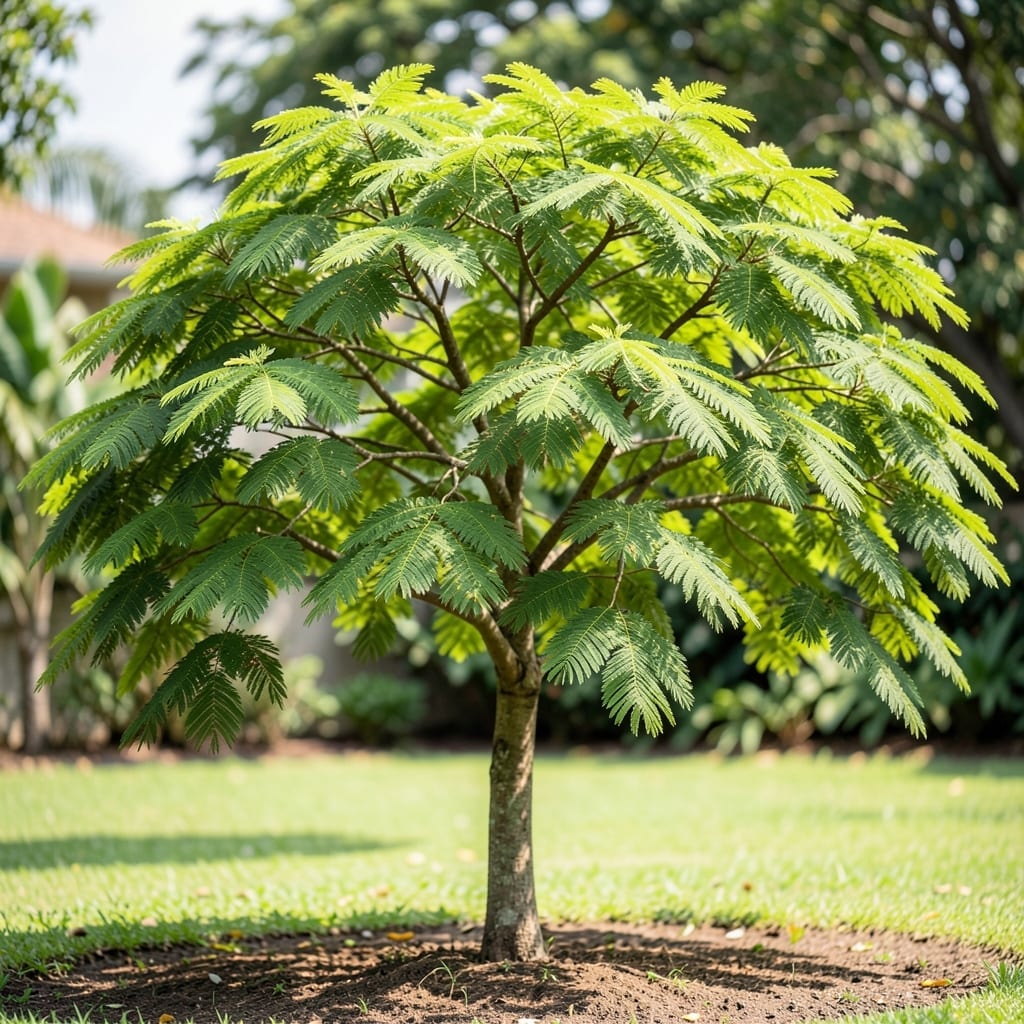
I first fell for poinciana trees when I saw their fern-like leaves casting dappled shade across a summer lawn. Those delicate, feathery fronds create a tropical canopy that feels like a living parasol.
What many don’t realize is that these leaves demand respect. They’re stunning, but proper handling keeps both you and your landscape safe while maintaining that vibrant green display.
📚 In This Guide
Here’s how I safely handle and identify poinciana tree leaves to prevent any accidental exposure.
Poinciana tree leaves, also known as royal poinciana or flamboyant tree leaves, are highly toxic if ingested. They contain compounds like lectins and tannins that can cause severe gastrointestinal distress, including vomiting, diarrhea, and nausea. I always start by familiarizing myself with their appearance: they’re fine, fern-like, and arranged in a bipinnate pattern, typically 12-20 inches long.
This knowledge is critical, especially if you have pets or children around. Even small amounts can be harmful, so I treat these leaves with the same caution as any other toxic plant material.
Before touching any part of the poinciana tree, I put on long sleeves, gloves, and eye protection. The sap and leaf residue can irritate the skin and eyes, so this barrier is non-negotiable. I also avoid inhaling dust or debris when pruning or cleaning up fallen leaves.
If you’re working with a chain saw or pruner, consider adding a face mask to prevent inhaling fine particles. This is particularly important during dry seasons when dust from the leaves can become airborne.
When removing leaves from the tree or the ground, I use a long-handled rake or pruner to minimize direct contact. I place the collected leaves in a sealed, sturdy bag labeled as toxic waste. Never compost these leaves—burning or composting can release toxins into the air or soil.
Dispose of them according to local hazardous waste guidelines. If unsure, I contact my local waste management facility for instructions on handling toxic plant material.
After handling poinciana leaves, I wash my hands, arms, and any exposed skin with soap and warm water for at least 20 seconds. I also clean my tools with a mixture of water and bleach (1 part bleach to 9 parts water) to remove any residual sap or toxins.
If clothing has come into contact with the leaves or sap, I wash it separately from other laundry using hot water and detergent. This prevents cross-contamination and ensures no toxins linger on fabrics.
If I or someone nearby accidentally ingests or touches poinciana leaves and experiences symptoms like nausea, vomiting, or skin irritation, I seek medical attention immediately. For pets, I contact a veterinarian right away, as they may be more sensitive to the toxins.
I keep the Poison Control Center number (1-800-222-1222) saved in my phone for emergencies. Quick action can make all the difference in preventing serious health issues.
These safety strategies will help you avoid accidental exposure and handle the leaves with confidence.
Identification is Key: The fine, fern-like leaves arranged in a bipinnate pattern, typically 12-20 inches long, are distinctive. I always double-check against a reliable plant identification guide before handling, especially since other plants may look similar but have different toxicity levels.
Protective Barriers: In Step 2, the long sleeves, gloves, and eye protection aren’t just suggestions—they’re essential. The sap and residue can cause skin irritation and eye damage, and inhaling dust particles during dry seasons can aggravate respiratory issues. I learned this the hard way after skipping the mask once.
Disposal Precision: When following Step 3, never underestimate the importance of a sealed, sturdy bag labeled as toxic waste. I once used a regular trash bag that tore, exposing me to residual toxins. Also, always confirm local hazardous waste guidelines—some areas have specific protocols for toxic plant material.
Cleanup Rigor: The 20-second soap and warm water wash in Step 4 isn’t arbitrary. I use a timer to ensure I hit the full duration, and I pay extra attention to areas with visible sap. For tools, that 1:9 bleach-to-water ratio is critical—any weaker and it won’t fully neutralize the toxins.
Yes, poinciana leaves contain tannins and other compounds that can be toxic if ingested. Avoid eating them, and keep children and pets away to prevent poisoning. Symptoms may include nausea or stomach upset.
Yes, but in moderation. Their high tannin content can slow decomposition. Mix with other organic materials and avoid using large quantities to prevent nutrient imbalance.
Poinciana leaves typically turn golden or orange in late fall or early winter, depending on climate. In tropical regions, they may stay green year-round or shed without dramatic color changes.
Contact your vet immediately. While small amounts may only cause mild gastrointestinal upset, larger quantities could lead to vomiting, diarrhea, or lethargy. Act fast for safety.
Yes! Consider crepe myrtle, jacaranda, or redbud trees for vibrant, non-toxic foliage. These provide similar beauty without the risks associated with poinciana leaves.