
Beautiful Plants For Your Interior
Beautiful Plants For Your Interior
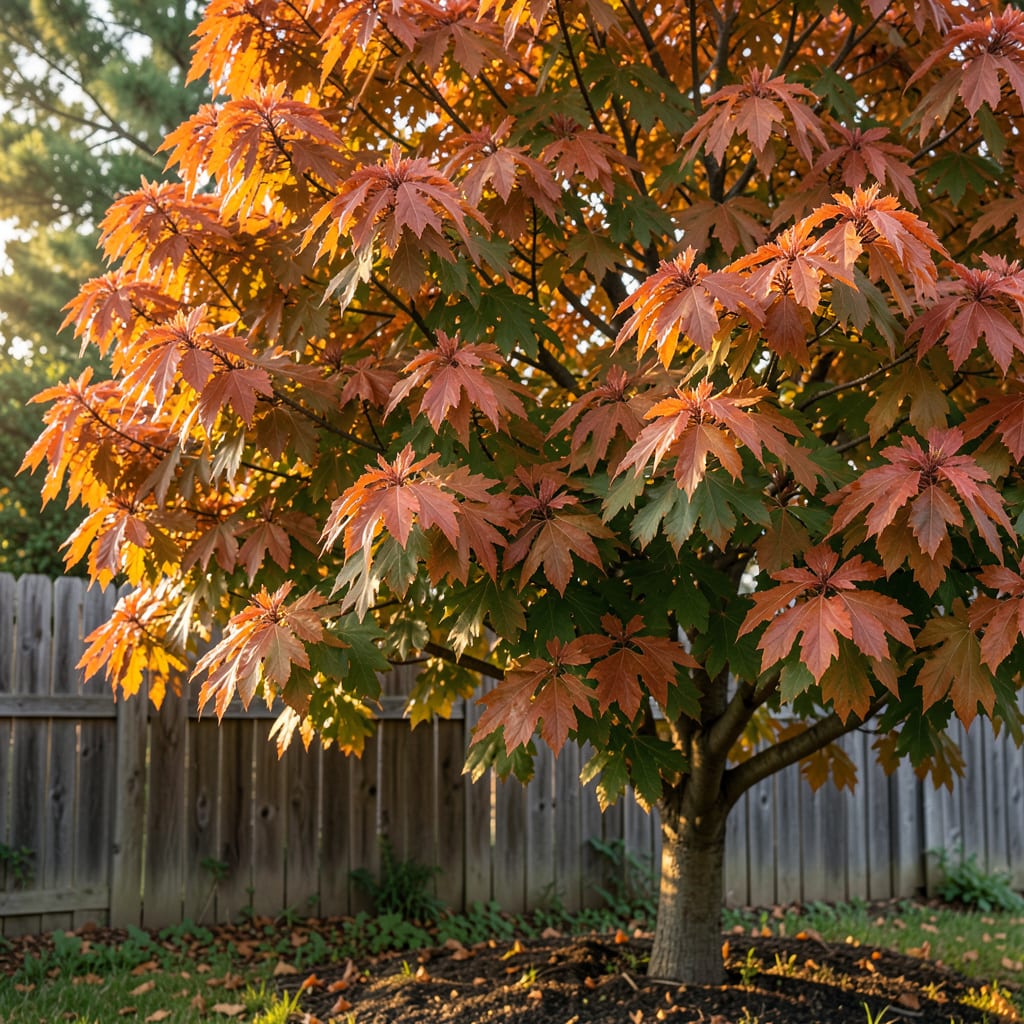
Orange leaves on your crepe myrtle in summer? That’s your plant waving a red flag. I’ve seen this happen when the soil’s too dry or the roots are drowning—both stress the tree into early color change.
Check the moisture first—stick your finger 2 inches down. If it’s bone dry or soggy, adjust your watering. Nutrient issues or pests can also trigger this, but fixing the basics often brings the green back.
📚 In This Guide
Here’s how I diagnose and address orange leaves on crepe myrtles before the problem spreads.
First, I check the calendar and leaf pattern. Orange leaves in late summer or early fall are often natural—crepe myrtles signal season changes early. But if it’s spring or summer and only certain branches turn orange, it’s likely stress-related. Look for leaves changing uniformly across the tree versus isolated spots.
I also note the weather. A sudden 10°F temperature drop or a week of 90°F+ highs can trigger premature color shifts. If the orange appears after a heatwave or cold snap, the tree is probably responding to environmental stress, not disease.
Next, I examine the soil. Push a finger 2-3 inches deep—if it feels bone dry, the tree needs water. Crepe myrtles are drought-tolerant but will show leaf color changes when parched. Conversely, soggy soil or yellowing alongside orange hints at root rot from overwatering.
Nutrient deficiencies can also cause discoloration. Orange leaves with green veins often point to iron deficiency, especially in alkaline soils. I test the soil pH—crepe myrtles prefer 6.0-6.5. If it’s above 7.0, an iron supplement may help restore the green.
I inspect the leaves closely, especially the undersides, for pests like aphids or scale. These sap-sucking insects stress the tree, leading to color changes. A white powdery coating suggests powdery mildew, which can weaken leaves and alter their hue.
For pests, I spray with a strong stream of water to dislodge them, then apply horticultural oil if needed. For mildew, improving air circulation and avoiding overhead watering usually resolves it. If the orange leaves are accompanied by black spots or wilting, a fungal issue may require treatment.
Crepe myrtles in full sun can scorch in extreme heat, turning leaves orange or bronze. If the tree is in a hot, exposed spot, I provide afternoon shade with a temporary shade cloth during heatwaves. Reflected heat from pavements can also stress the tree—mulching around the base helps regulate soil temperature.
Transplant shock is another culprit. If the tree was recently planted, it may take a season to adjust. I keep newly planted crepe myrtles well-watered (but not waterlogged) for the first 3-4 months to help them establish. Orange leaves should return to green once the roots settle in.
After making adjustments, I watch the tree for 2-3 weeks. If the orange stops spreading and new growth returns to green, the issue is likely resolved. If not, I reassess for other stressors like compacted soil or nearby construction damage to roots.
Prevent future issues by maintaining consistent moisture, mulching to retain soil temperature, and fertilizing lightly in early spring with a balanced product. Avoid high-nitrogen fertilizers late in the season, as they can promote tender growth that’s more susceptible to early color changes.
Here’s what I’ve learned from diagnosing countless crepe myrtles with orange leaves.
Timing Insight: In Step 1, remember that orange leaves in late summer or early fall are usually natural—crepe myrtles often signal seasonal changes before other trees. But if you see this in spring or summer on just certain branches, it’s your first clue that something’s stressing the tree.
Soil Depth Matters: When you check soil moisture in Step 2, go that full 2-3 inches deep with your finger. Surface dryness can be misleading, and crepe myrtles are tough enough to handle some drought. It’s the bone-dry depth that tells you they truly need water.
Temperature Clues: Those temperature swings mentioned in Step 1—a 10°F drop or 90°F+ highs—are major triggers. I’ve seen healthy trees turn orange overnight after a surprise cold snap. Conversely, a week of extreme heat without relief can do the same damage.
Monitoring Window: In Step 5, that 2-3 week observation period is critical. Don’t expect immediate results after your adjustments. If the orange stops spreading and you see new green growth, you’ve likely solved the problem.
Early orange leaves often signal stress from drought, poor soil, or disease. Check water levels and soil quality—crepe myrtles thrive in well-drained, slightly acidic soil.
Not always! While fungal issues (like powdery mildew) can cause discoloration, orange leaves may also indicate natural seasonal changes or nutrient deficiencies. Inspect for spots or wilting to confirm.
Typically in fall, but early color changes (summer/early fall) suggest stress. If it’s before October, investigate environmental factors like water or sunlight.
Yes! Overwatering leads to root rot, which can trigger leaf discoloration. Ensure the soil drains well and water only when the top inch is dry.
Address the root cause: adjust watering, improve soil drainage, or treat fungal infections with fungicide. Prune affected branches to encourage healthy growth.
