
Beautiful Plants For Your Interior
Beautiful Plants For Your Interior
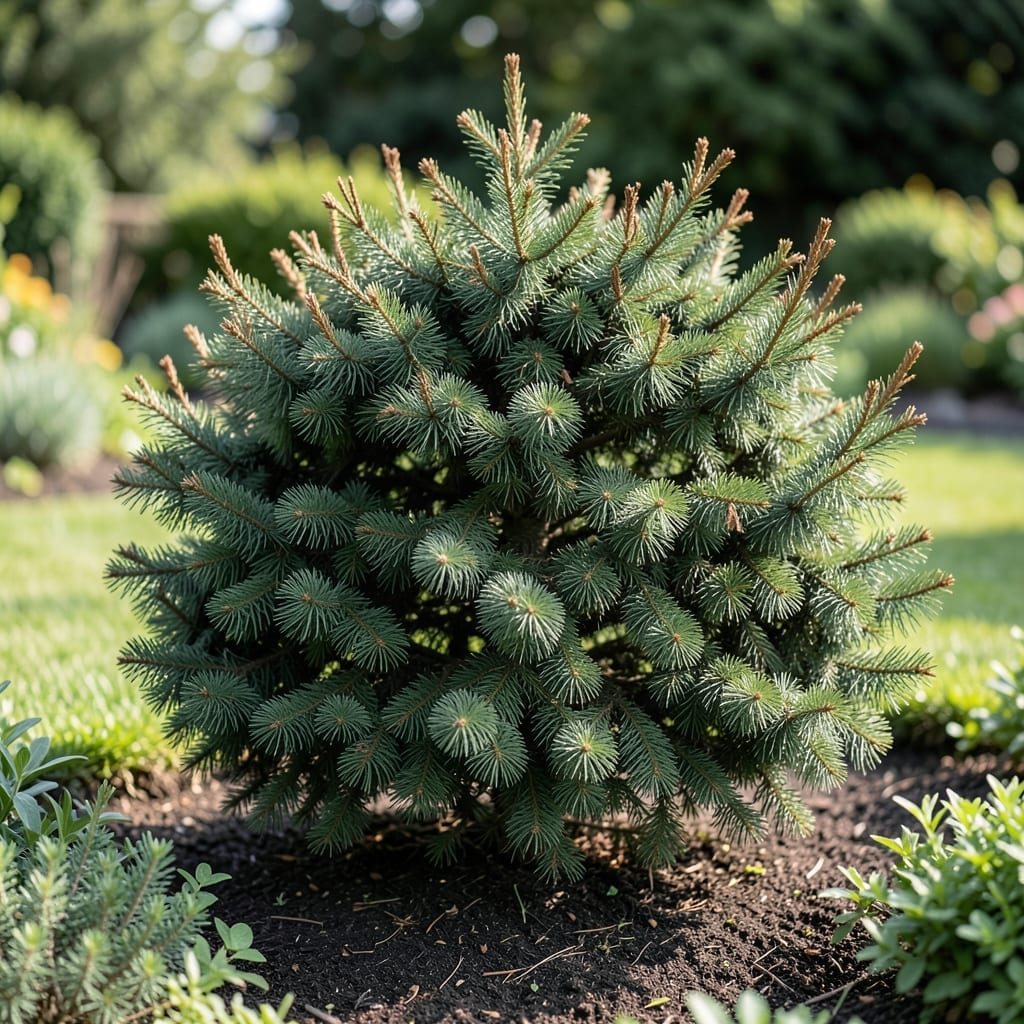
Nothing stings like watching your podocarpus turn brown after months of care. I’ve been there—staring at crispy needles, wondering where I went wrong with watering, soil, or placement.
The good news? This is almost always fixable. Most browning comes from simple stress—too much sun, not enough water, or a sneaky pest attack. The plant isn’t dead yet; it’s just asking for help.
With a few adjustments, you’ll see new green growth within 4-6 weeks. The key is diagnosing the root cause fast, before the damage spreads to the whole plant.
Works for container plants, hedges, or specimen shrubs. Let’s save your podocarpus.
The browning of Podocarpus foliage is rarely random—it’s your plant’s way of signaling distress. Below are the most common causes, each with a clear scientific basis and actionable insight.
Podocarpus thrives in stable climates (60–80°F). Sudden cold snaps below 20°F or heat spikes above 90°F disrupt cellular function, leading to necrosis (tissue death). Frost damage ruptures cell membranes, while heat stress accelerates water loss, turning needles brown from the tips inward.
Root asphyxiation from overwatering prevents oxygen uptake, causing root rot (Phytophthora spp.) and foliar browning. Conversely, drought stress triggers stomatal closure, reducing photosynthesis and leading to uniform browning. Check soil moisture 2 inches deep—it should be moist but not soggy.
Yellowing followed by browning often signals magnesium (Mg) or iron (Fe) deficiency. Mg is mobile in plants, so deficiency appears first in older needles. Fe deficiency (common in alkaline soils) causes interveinal chlorosis before browning. A soil test (pH 6.0–6.5 ideal) confirms imbalances.
Podocarpus is vulnerable to scale insects and spider mites, which pierce cells and drain sap, causing localized browning. Fungal pathogens like Botryosphaeria infect stressed plants, leading to dieback. Inspect undersides of leaves for pests or dark lesions for fungal signs.
If your podocarpus is turning brown, don’t panic—there are clear fixes for each underlying cause. Below are actionable solutions mapped to common issues, plus tips to keep your plant thriving long-term.
Fix: Check the soil moisture 2 inches deep. If bone-dry, water deeply until it drains from the bottom; if soggy, let it dry out before watering again. Adjust your schedule based on weather—less in cool, rainy periods and more in heatwaves.
Prevention: Use a moisture meter or the finger test (stick your finger in the soil). Mulch around the base to retain moisture evenly. 💡 Pro tip: Podocarpus prefers slightly moist but well-draining soil—think “damp sponge,” not swamp.
Fix: Move potted plants to bright, indirect light (e.g., under a tree canopy or east-facing window). For in-ground plants, use shade cloth during peak afternoon sun. If leaves are crispy from sunburn, prune the worst damage to redirect energy to healthy growth.
Prevention: Acclimate plants gradually to new light conditions. In hot climates, plant podocarpus where it gets morning sun and afternoon shade.
Fix: Apply a balanced, slow-release fertilizer (10-10-10 or 12-6-6) in early spring and again in midsummer. For yellowing leaves (magnesium deficiency), sprinkle Epsom salt (1 tablespoon per gallon of water) around the base.
Prevention: Test your soil every 2–3 years. Amend with compost annually to maintain fertility. ✨ Bonus: Avoid over-fertilizing—it can burn roots and worsen browning.
Fix: For spider mites or scale, spray with neem oil (mix 2 tbsp per gallon of water) every 7–10 days until gone. For root rot (foul-smelling, mushy roots), trim affected roots, repot in fresh soil, and improve drainage.
Prevention: Inspect leaves weekly for pests. Space plants for airflow, and avoid overhead watering to prevent fungal issues.
Check soil 2 inches deep. Bone-dry means underwatered; soggy means overwatered. Underwatered plants have crispy brown tips, while overwatered plants show yellowing and mushy roots.
No, once brown, they’re dead. Prune them to redirect energy to healthy growth. New green growth should appear within 4-6 weeks with proper care.
Bright, indirect light is ideal. Move potted plants under a tree canopy or east-facing window. In-ground plants benefit from morning sun and afternoon shade.
Apply balanced fertilizer twice yearly: early spring and midsummer. Use 10-10-10 or 12-6-6 slow-release. Avoid over-fertilizing, as it can burn roots.