
Beautiful Plants For Your Interior
Beautiful Plants For Your Interior
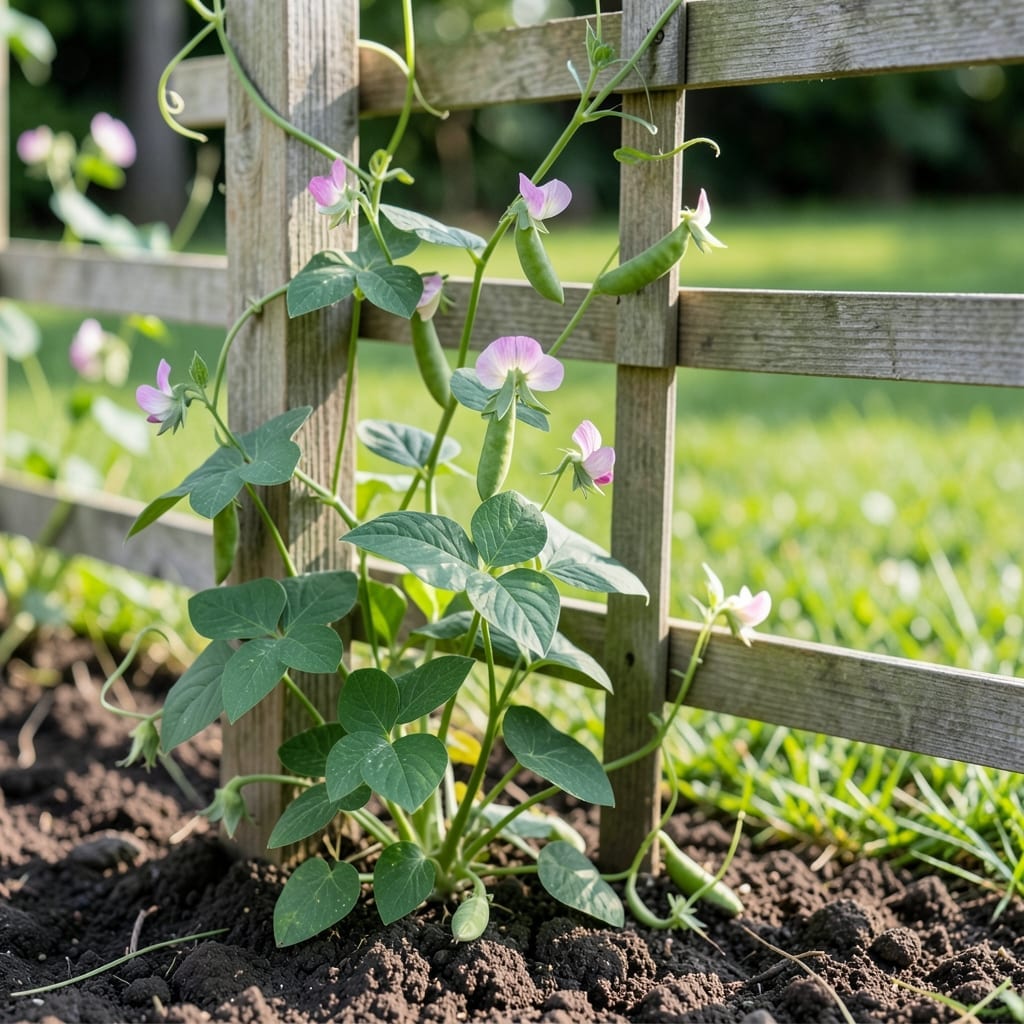
Tiny green pods dotting your garden aren’t always peas. I’ve spotted lookalikes that fool even seasoned gardeners, from sweet pea flowers to edible snap pea cousins.
These plants share that familiar rounded pod shape but serve different purposes. Some are ornamental climbers with fragrant blooms, while others deliver the same crunch as garden peas.
Growing them follows similar rules: well-draining soil, moderate water, and support for climbing varieties. Most thrive in full sun with minimal fuss.
Perfect for adding texture to borders or edible interest to vegetable patches. Here’s how to tell them apart and grow them well.
The resemblance of certain plants to peas isn’t just a coincidence—it’s the result of evolutionary, genetic, and ecological factors. Here’s a breakdown of why these lookalikes exist in nature:
Some plants have evolved to mimic peas as a survival strategy. In botany, this is called mimicry, where non-pea plants develop similar leaf shapes, pod structures, or growth habits to deter herbivores or attract pollinators. For example, Lathyrus (sweet peas) and Vicia (vetches) share traits with true peas (Pisum sativum) because they belong to the same Fabaceae family, which evolved these features to thrive in nitrogen-poor soils.
Many plants that resemble peas are part of the Fabaceae (legume) family. This family naturally produces compound leaves, climbing vines, and seed pods—hallmark traits of peas. Plants like Crotalaria (rattlebox) or Lupinus (lupines) inherit these characteristics due to their genetic lineage. Even non-edible ornamentals in this family often display pea-like foliage or flowers.
Peas and their lookalikes often grow in similar environments, such as temperate climates with moderate rainfall. These conditions favor plants with nitrogen-fixing abilities (a trait common in legumes), which can lead to convergent evolution—where unrelated species develop similar traits independently. For instance, Oxalis (wood sorrel) has clover-like leaves that resemble pea foliage, though it’s unrelated, because both thrive in nutrient-poor soils.
If your pea-like plants are struggling, these targeted solutions can help restore their health and vigor. Below are practical fixes for common problems, along with prevention tips to keep your garden thriving.
Yellow leaves often signal a nitrogen deficiency. Fix this by:
Prevention tip: 💡 Rotate crops annually to avoid depleting nutrients. Plant legumes (like peas) in the same spot only every 3–4 years.
Aphids, beetles, or caterpillars can damage foliage and pods. Combat them with:
Prevention tip: 🎯 Plant companion herbs like mint or basil nearby to repel pests naturally.
Over- or under-watering can stress plants. To fix:
Prevention tip: ✨ Mulch around plants with straw to retain moisture and regulate soil temperature.
White powdery spots on leaves? Increase circulation and:
Prevention tip: 🌡️ Space plants 6–12 inches apart and water early in the day so foliage dries quickly.
No, some lookalikes like sweet peas are toxic if ingested. Always verify before eating. Stick to known edible varieties like snap peas or snow peas for safety.
Check the pods: edible peas have smooth, plump pods. Ornamentals like sweet peas have flatter pods with visible seams. Also, edible types smell fresh, while ornamentals may have a stronger fragrance.
Most climbing varieties like sweet peas do require support. Use a 5-6 foot trellis for best growth. Bush types, such as some ornamental lupines, can thrive without one.
Yes, but choose compact varieties and ensure pots are at least 12 inches deep. Use well-draining soil and place in full sun. Dwarf sweet peas are ideal for containers.