
Beautiful Plants For Your Interior
Beautiful Plants For Your Interior
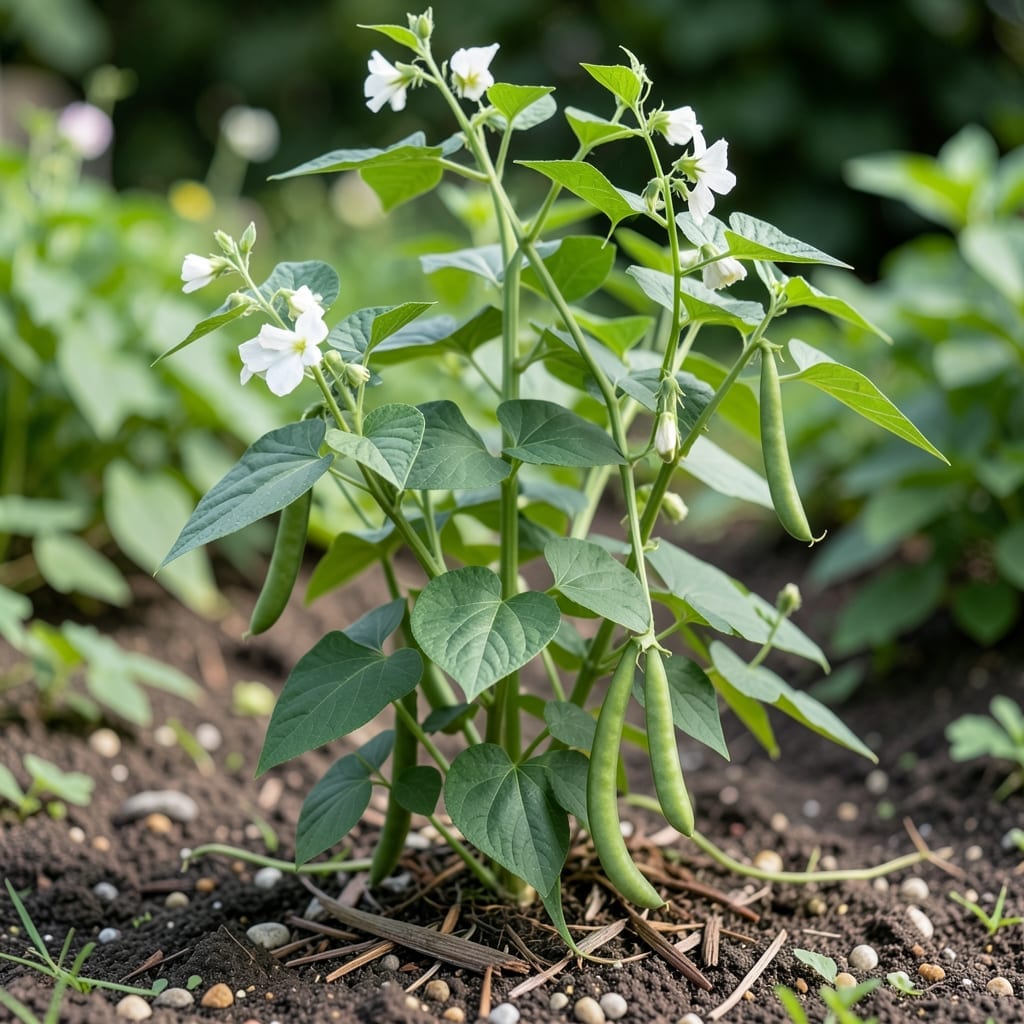
I’ve had more than one visitor mistake my yard-long beans for regular green beans. These lookalikes share the same slender pods and climbing habits, making them perfect for gardeners who love the classic bean aesthetic.
Some are edible—like asparagus beans or hyacinth beans—while others, such as wisteria, add ornamental value with their cascading vines and vibrant blooms. Each brings its own twist to the familiar green bean silhouette.
Growing them follows similar rules: full sun, well-draining soil, and a sturdy trellis. The real fun is watching neighbors do a double take when they realize your “green beans” are something completely different.
Best part? You get the visual appeal with added variety—whether it’s a new flavor at dinner or a show-stopping bloom in your garden.
Several factors explain why some plants mimic the appearance of green beans. These similarities often stem from evolutionary advantages, genetic traits, or environmental adaptations. Below are the key causes:
Some plants evolve to resemble green beans as a survival strategy. In nature, mimicry can deter herbivores or attract pollinators. For example, certain legumes or vines may develop bean-like pods to blend in with common edible plants, reducing their likelihood of being eaten by animals that avoid familiar but toxic lookalikes.
Green beans belong to the Fabaceae family, and many plants with similar appearances share genetic characteristics. These traits often include elongated pods, climbing habits, or trifoliate leaves. Plants like yardlong beans or hyacinth beans exhibit these features due to their close botanical relationship, making them appear nearly identical to green beans.
Plants in similar climates or growing conditions may develop comparable structures. For instance, fast-growing vines in warm, humid environments often produce elongated, green pods to maximize sunlight exposure and seed dispersal. This convergence in appearance is a result of adaptive evolution, where unrelated species evolve similar traits to thrive in their habitat.
Selective breeding plays a role in why some ornamental or edible plants resemble green beans. Gardeners and farmers may intentionally cultivate varieties with bean-like features for aesthetic or practical purposes. This artificial selection can lead to plants that are visually indistinguishable from green beans, even if they belong to different species.
If your garden features plants that resemble green beans but they’re not thriving, these practical fixes will help. Below are solutions tailored to common problems, paired with prevention tips to keep your plants healthy.
Yellow leaves often signal nutrient deficiencies or poor drainage. Fix it: Test your soil with a kit (available at garden centers) and amend it with compost or a balanced fertilizer (10-10-10). If drainage is the issue, mix in perlite or sand to loosen the soil. Prevent it: Rotate crops yearly and avoid overwatering—stick your finger 1 inch into the soil; if it’s dry, it’s time to water.
Aphids, bean beetles, or spider mites can wreak havoc. Fix it: Spray plants with a mix of 1 tsp dish soap + 1 quart water to deter soft-bodied pests. For beetles, handpick them off in the early morning. Introduce beneficial insects like ladybugs for long-term control. Prevent it: Plant companion herbs like basil or marigolds to repel pests naturally.
Wilting can result from both underwatering and overwatering. Fix it: Check the soil moisture—dry soil needs water, while soggy soil requires a break. Water deeply at the base (not the leaves) to encourage strong roots. Prevent it: Use mulch to retain moisture and water in the early morning to reduce evaporation.
Leggy or slow-growing plants often lack sunlight or nutrients. Fix it: Relocate pots to a sunnier spot (6+ hours of light daily) or thin out crowded plantings. Feed with a nitrogen-rich fertilizer for leafy growth. Prevent it: Start with well-draining soil and rotate plant locations to avoid depleting nutrients in one area.
Pro tip 💡: Regularly inspect your plants for early signs of trouble—catching issues early makes fixes easier!
No, some are purely ornamental. Yardlong beans and hyacinth beans are edible, but wisteria pods are toxic. Always verify before consuming!
Check the pods—yardlong beans grow much longer, while wisteria has fuzzy, wider pods. Edible types also smell fresh, not bitter or chemical.
Most thrive in full sun and well-draining soil, but wisteria prefers slightly acidic soil. All benefit from a trellis for climbing support.
Hyacinth beans often have purple pods due to anthocyanins, natural pigments. They turn green when cooked but add vibrant color to gardens.