
Beautiful Plants For Your Interior
Beautiful Plants For Your Interior
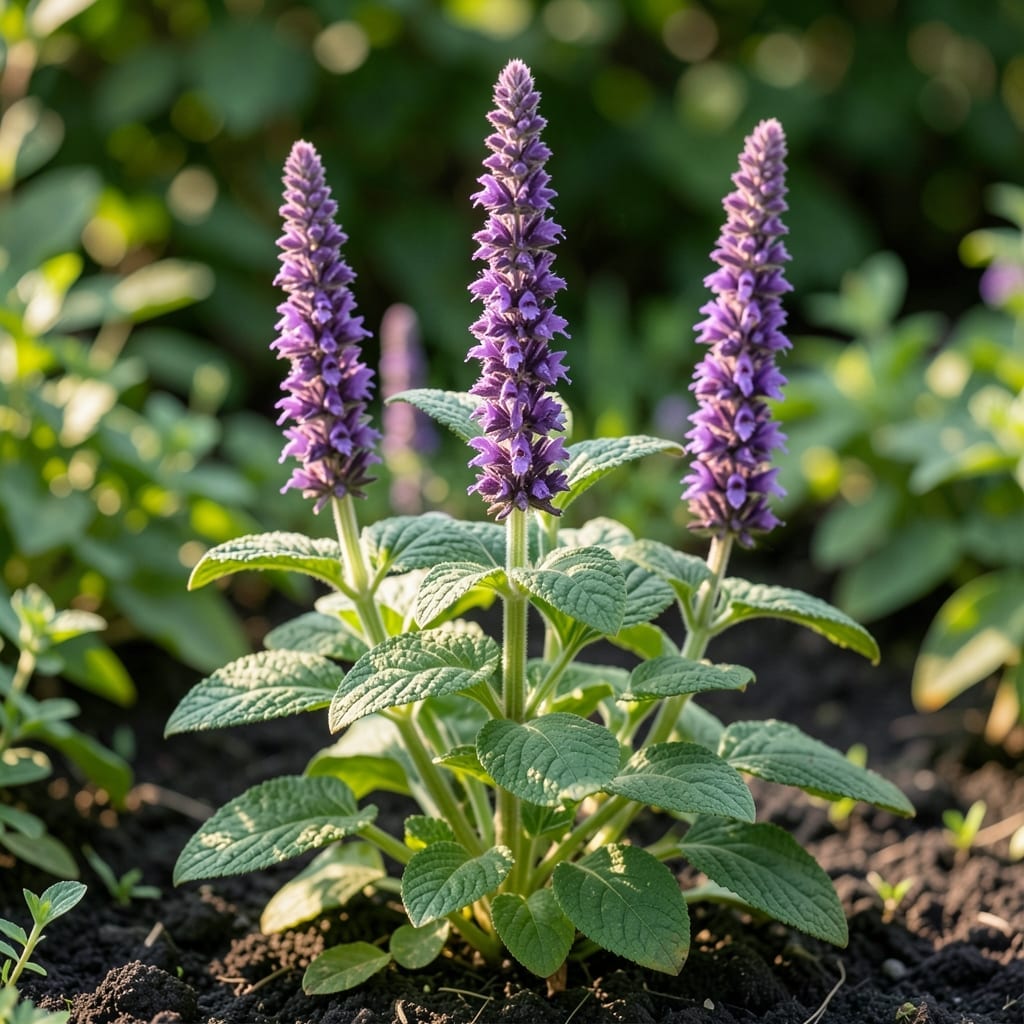
Vertical drama in your garden starts here. I discovered these purple-spiked plants years ago when my border beds needed height without width, and they’ve been my go-to ever since.
From salvia’s velvety towers to allium’s globe-topped stems, these plants add 3-6 feet of color that moves with the breeze. They thrive in full sun with well-draining soil, and most need surprisingly little maintenance once established.
What you get is season-long interest—early blooms for pollinators, mid-summer color spikes, and architectural structure even after flowers fade. The purple hues range from deep violet to soft lilac, creating depth in any planting scheme.
Works in cottage gardens, modern landscapes, or even containers on a sunny patio. Here’s how to make them shine in your space.
The striking purple spikes on certain plants are a natural phenomenon driven by biological and environmental factors. Here’s why it happens:
Plants produce anthocyanins, a group of pigments responsible for red, purple, and blue hues. These compounds are synthesized in response to sunlight, temperature fluctuations, or stress. Anthocyanins act as a protective shield, absorbing harmful UV rays and reducing oxidative damage to plant tissues. In some species, like Salvia or Liatris, purple spikes are a genetic trait, with the plant naturally producing high concentrations of these pigments in its flowers or bracts.
Intense sunlight triggers anthocyanin production as a defense mechanism. Plants exposed to full sun often develop deeper purple hues in their spikes to shield their reproductive structures from UV radiation. Conversely, shaded areas may result in lighter or greenish spikes, as the plant reduces pigment production in low-light conditions.
Cooler temperatures, especially during spring or fall, can enhance purple coloring. Anthocyanins accumulate in response to cold stress, helping the plant survive chilly nights. This is why some plants, like Ornamental Millet, display more vibrant spikes in mild climates or during seasonal transitions.
A phosphorus deficiency can sometimes lead to unusual purple coloring in leaves and stems, but in spike-forming plants, it’s often a deliberate trait. However, excessive nitrogen can dilute pigment intensity, so balanced soil nutrition ensures the brightest, healthiest spikes.
If your plant with purple spikes isn’t thriving, don’t worry—most problems have simple fixes. Below are practical solutions to common issues, organized by cause and paired with prevention tips to keep your garden looking its best.
Yellow leaves often signal overwatering or poor drainage. Check the soil: if it’s soggy, ease up on watering and ensure the pot or garden bed has drainage holes. For potted plants, use a well-draining mix with perlite or sand. Prevention tip: 💡 Water only when the top inch of soil feels dry.
Aphids, spider mites, or mealybugs may target the spikes. Wipe them off with a damp cloth or spray with neem oil (mix 1 tsp oil + 1 tsp dish soap in 1 quart of water). Repeat every 5–7 days until pests disappear. Prevention tip: 🎯 Inspect plants regularly and keep the area free of debris where pests hide.
If the plant looks stretched or sparse, it’s likely not getting enough light. Move it to a sunnier spot (6+ hours of direct light daily for full-sun varieties) or supplement with grow lights. Prevention tip: ✨ Rotate potted plants weekly for even growth.
Wilting can mean underwatering or heat stress. Water deeply at the base (avoid wetting leaves) and mulch to retain moisture. If temperatures exceed 90°F, provide afternoon shade. Prevention tip: 🌡️ Use a moisture meter to avoid guessing water needs.
With these fixes, your purple-spiked beauty will bounce back in no time!
Anthocyanins, natural pigments, create the purple hue. They develop in response to sunlight, temperature changes, or stress, acting as protection against UV damage.
Most need full sun for vibrant spikes, but some tolerate partial shade. Expect lighter colors and fewer blooms in less light.
Water when the top 1 inch of soil feels dry. Overwatering causes yellow leaves, while underwatering leads to wilting.
Many purple-spiked varieties, like lavender or salvia, are deer-resistant due to their strong fragrance. Still, protection is wise in high-risk areas.