
Beautiful Plants For Your Interior
Beautiful Plants For Your Interior
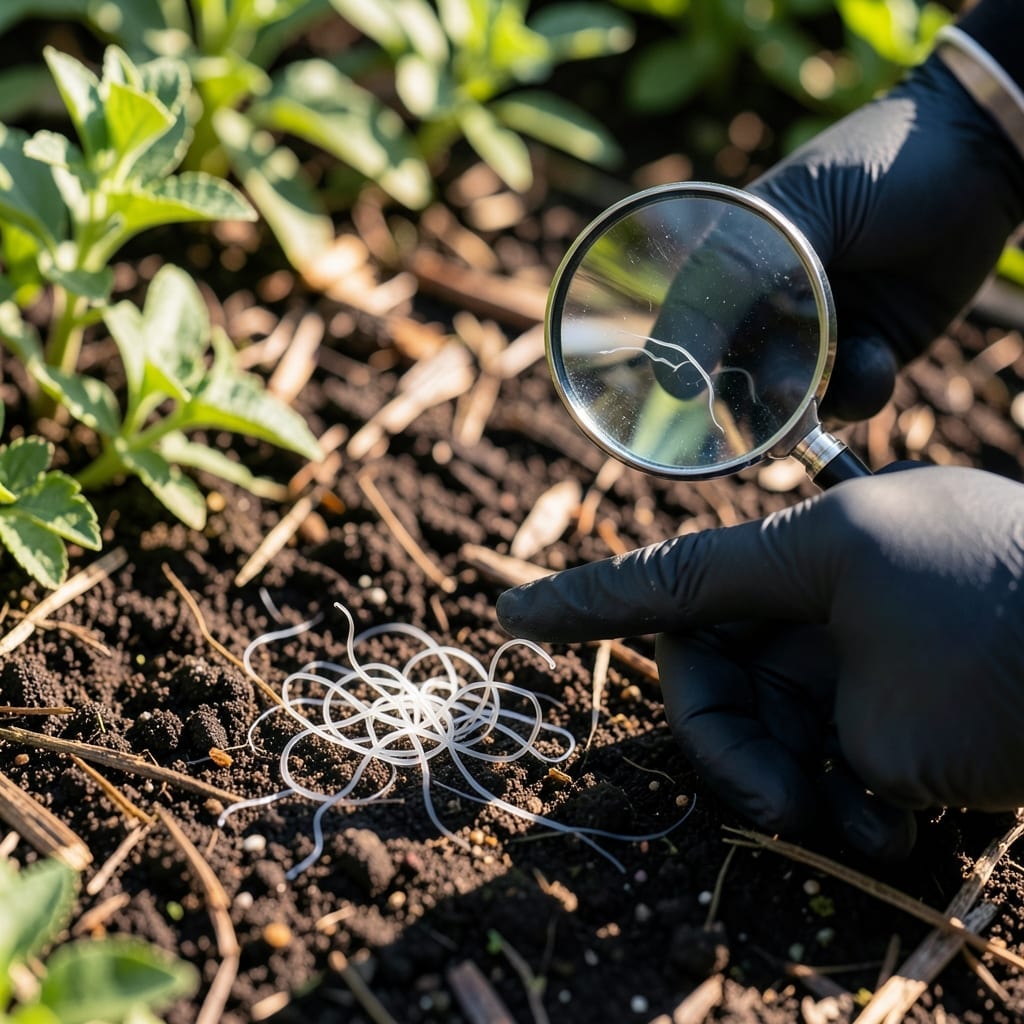
I first spotted them wriggling in my seedling trays last spring. Tiny white worms in the soil aren’t just gross—they can stunt young plants before they even get started.
Here’s the thing—pinworms thrive in damp, organic-rich soil, especially in containers. They’re not the same as harmful nematodes, but left unchecked, they’ll compete with roots for nutrients.
You can evict them naturally with beneficial nematodes or a hydrogen peroxide drench. Prevention is simpler: better drainage, less overwatering, and sterilizing potting mix before use.
My seedlings bounced back within 10 days of treatment. Yours will too with the right approach.
Pinworm eggs in soil don’t appear by accident—they’re introduced through specific environmental and behavioral pathways. Understanding these causes helps you break the cycle and protect your garden. Here’s why it happens:
Pinworms (Enterobius vermicularis) thrive in human and animal intestines. When infected individuals defecate outdoors or near garden beds, eggs are deposited in the soil. These microscopic eggs can survive for 2–4 weeks in moist, shaded conditions, waiting to reinfect new hosts through direct contact or contaminated produce.
Using untreated human or pet waste as fertilizer is a common culprit. Standard composting often doesn’t reach the 130°F (54°C) needed to kill pinworm eggs. If compost isn’t properly heated or aged (6+ months), eggs remain viable and spread when applied to soil.
Pets, wildlife (like raccoons or foxes), or even stray animals can carry pinworms. Their feces or fur may deposit eggs directly into soil, especially in unprotected garden plots. Sandboxes and loose soil beds are high-risk zones for egg transfer from infected animals.
Irrigating with untreated water (e.g., from streams, rain barrels, or poorly maintained wells) can introduce pinworm eggs. Flooding or runoff from nearby septic systems or pastures may also transport eggs into garden soil, particularly in low-lying or poorly drained areas.
Dealing with pinworms in your soil requires targeted action to eliminate them and prevent future infestations. Below are practical solutions mapped to common causes, along with prevention tips to keep your garden healthy.
If pinworms have infested your soil, solarization is a chemical-free fix. Cover the affected area with a clear plastic tarp during hot, sunny days. The heat traps under the tarp will kill pinworm eggs and larvae. Leave it in place for 4–6 weeks for best results. For small garden beds, this method is highly effective and eco-friendly.
Pinworms thrive in decaying organic matter. Remove old mulch, fallen leaves, or compost that may harbor eggs. Replace the top 2–3 inches of soil with fresh, sterile potting mix or well-aged compost. This disrupts the pinworm life cycle and reduces their presence.
Excess moisture creates a welcoming environment for pinworms. Reduce watering and ensure your soil has proper drainage. Use drip irrigation to target plant roots directly, keeping the surface drier. Let the top inch of soil dry out between waterings to discourage pinworm activity.
By addressing the root causes and following these steps, you can reclaim your soil and protect your plants from pinworms long-term.
Pinworm eggs can remain viable in moist, shaded soil for 2-4 weeks. They thrive in damp conditions but die faster in dry or hot environments. Regular soil disturbance helps break their life cycle.
Yes, if you wash produce thoroughly with warm water and vinegar. Pinworms don’t infect plants but may contaminate surfaces. Peeling root vegetables adds extra protection.
Only after treatment. Bake soil at 130°F for 30 minutes or solarize it under plastic for 4-6 weeks. Never reuse untreated soil to avoid reinfestation.
No, they primarily compete with roots for nutrients. However, severe infestations can stunt seedling growth. Focus on removing their food sources to protect plants.