
Beautiful Plants For Your Interior
Beautiful Plants For Your Interior
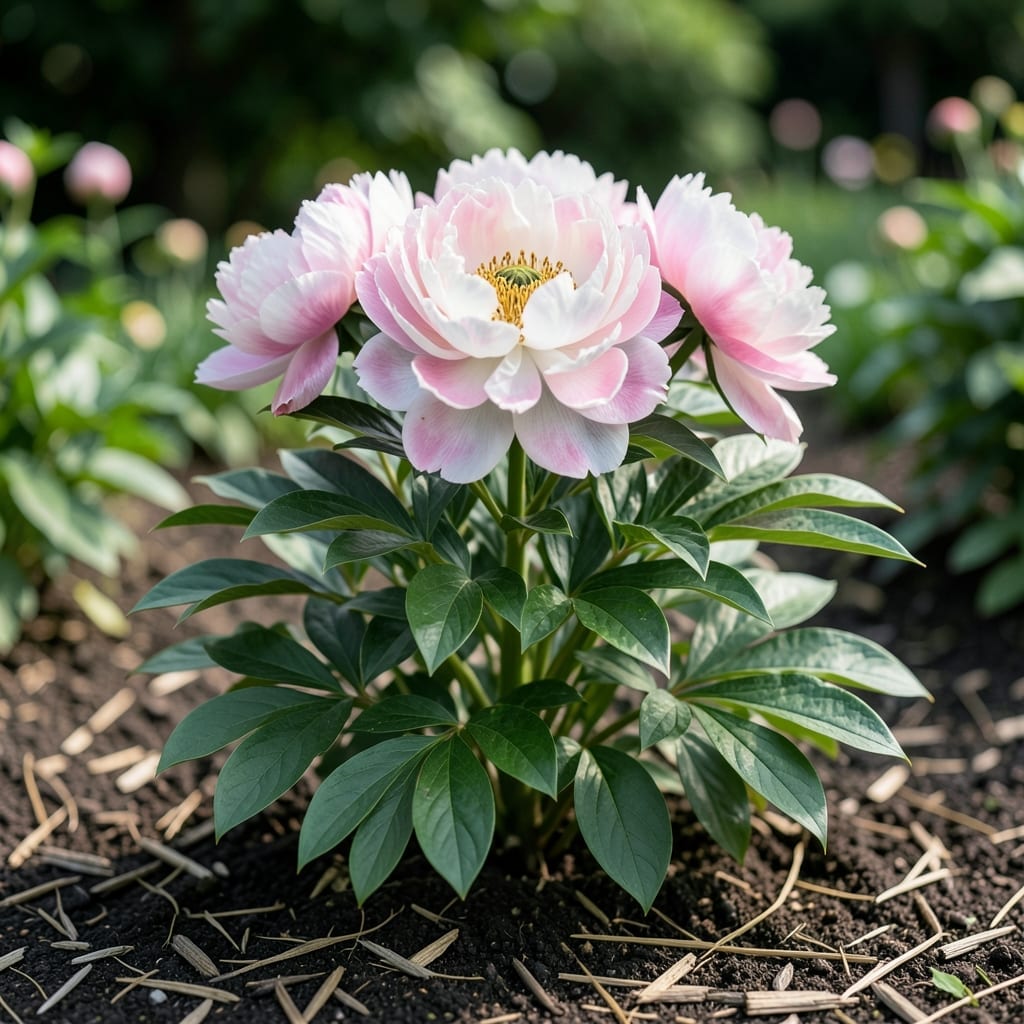
Nothing beats that first spring morning when pink-white peony buds finally burst open. I planted my first root two seasons ago, and now they return bigger and bolder every May without fail.
These showstopping blooms need full sun, well-draining soil, and a little patience the first year. Once established, they’ll reward you with decades of luxurious flowers that stop neighbors in their tracks.
📚 In This Guide
Follow this proven method and you’ll enjoy extravagant, fragrant blooms every spring with minimal effort.
Choose a location with full sun (at least 6-8 hours daily) and well-draining soil. Peonies thrive in slightly acidic to neutral soil (pH 6.5-7.0). I always test the soil first—amend heavy clay with compost or sand to improve drainage, as waterlogged roots will rot your plants overnight.
Dig a hole 2 feet wide and 18 inches deep. This gives the extensive root system room to establish. Space multiple plants 3-4 feet apart to ensure good air circulation, which prevents fungal diseases like botrytis blight that can devastate your blooms.
Place the peony root (with its “eyes” or buds facing upward) in the hole so the eyes are no deeper than 2 inches below soil level. Planting too deep is the most common reason peonies fail to bloom. I’ve seen gardeners bury them 6 inches deep by mistake, and those plants never flowered.
Backfill with native soil mixed with a handful of bone meal for root development. Water thoroughly to settle the soil and eliminate air pockets. You’ll see new red shoots emerge in early spring—that’s your confirmation the planting depth was correct.
Water deeply once a week during the first growing season, providing 1-2 inches of water per week. After establishment, peonies are drought-tolerant but bloom best with consistent moisture. I water at soil level, never overhead, to prevent leaf spot diseases.
Apply a balanced 10-10-10 fertilizer in early spring as shoots emerge, then again after blooming. Avoid high-nitrogen fertilizers, which produce leafy growth at the expense of flowers. You’ll notice stronger stems and larger blooms within the first year of proper feeding.
After the first hard frost, cut back the foliage to 3-4 inches above ground level. This removes potential disease harboring spots. In colder zones (3-5), mulch with 4-6 inches of straw after the ground freezes to protect the roots from freeze-thaw cycles.
Install peony rings or stakes in early spring as shoots grow. The heavy double blooms of pink white peonies often need support to prevent stems from bending or breaking. I use green metal rings that disappear among the foliage.
Divide plants in early fall if they become overcrowded or blooms diminish. This rejuvenates older clumps and gives you more plants to share or expand your garden.
Small adjustments in your approach make a world of difference for vibrant, healthy blooms.
Sunlight Essentials: The 6-8 hours of daily full sun isn’t just a suggestion—it’s critical for those extravagant blooms. I learned the hard way that morning sun with afternoon shade results in weak stems and fewer flowers. If your garden has partial shade, prioritize the sunniest spot possible.
Planting Depth Critical: Those 2 inches below soil level for the eyes are non-negotiable. Confession: I buried my first peony 6 inches deep like the instructions warned against, and it never bloomed. The red shoots in early spring are your reward for getting this right.
Soil Preparation: That 2 feet wide and 18 inches deep hole might seem excessive, but peony roots need room to spread. In heavy clay soil, amending with compost isn’t optional—it’s what stands between you and rotting roots after heavy rain.
Watering Wisdom: The once weekly deep watering during that first growing season establishes a strong root system. Here’s what nobody tells you—overhead watering, even with the right frequency, invites leaf spot diseases that can ruin your foliage.
The ideal time is early fall (September to October) , allowing roots to establish before winter. Spring planting is possible but may delay blooming by a year.
They thrive in full sun (6+ hours daily) . Partial shade works in hot climates, but too little light can reduce blooms.
Common causes: immature plants (can take 2-3 years), poor sunlight, over-fertilizing (use low-nitrogen fertilizer), or planting too deep. Patience and proper care usually fix it!
Yes! Try Sarah Bernhardt (pink) or Duchesse de Nemours (white) peonies. For non-peonies, consider hydrangeas or roses with comparable elegance.
Ensure good airflow, avoid overhead watering, and remove fallen leaves in autumn . Fungicides can help if infections persist.