
Beautiful Plants For Your Interior
Beautiful Plants For Your Interior
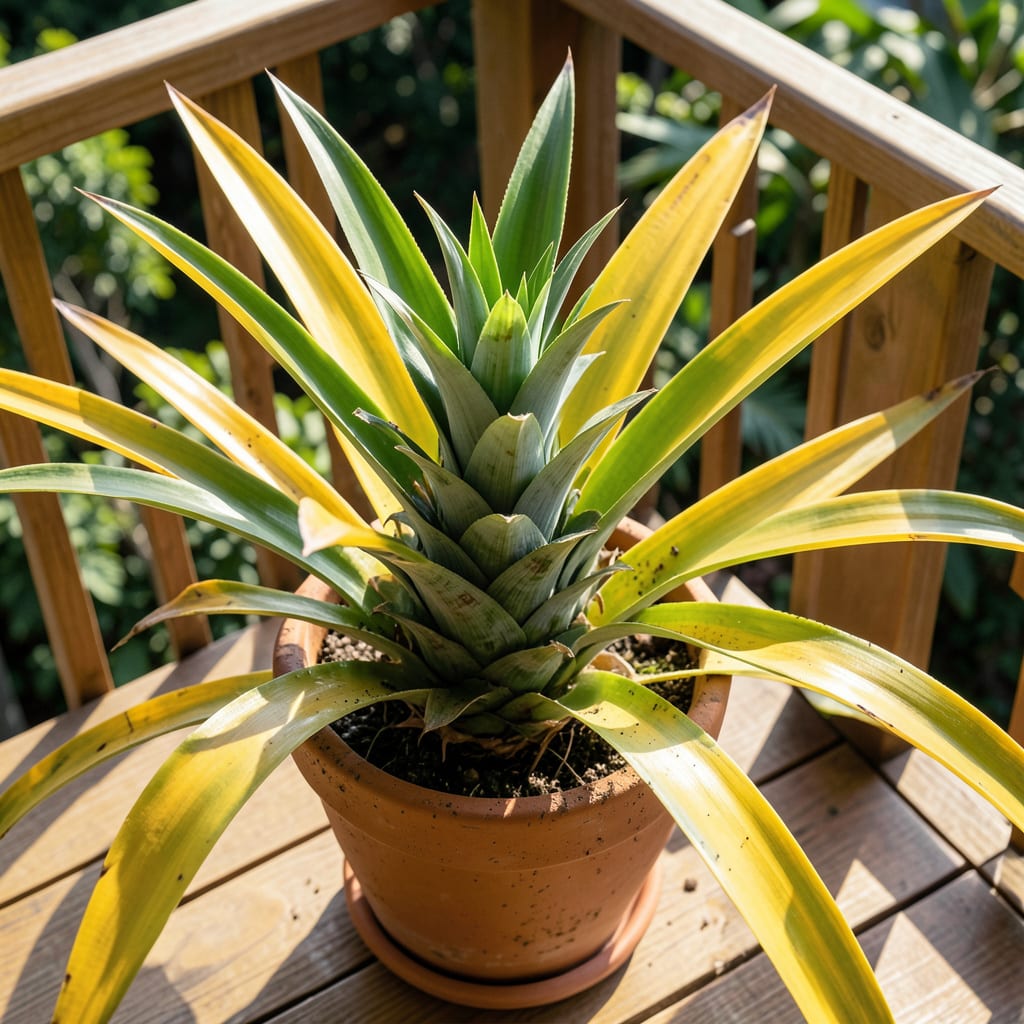
Yellow leaves on your pineapple plant aren’t a death sentence. I’ve nursed more than a dozen back to health by spotting the early signs and acting fast.
The usual suspects are simple fixes: too much water, not enough light, or a nutrient imbalance. Most people overcomplicate this—it’s usually one of these three. The plant tells you exactly what it needs if you know how to listen.
Within 2-3 weeks of the right adjustments, you’ll see new growth returning to that deep, healthy green. The key is catching it early and not overreacting with drastic changes.
Works for potted plants on windowsills or garden beds in warm climates. Here’s how to diagnose and fix it.
When your pineapple plant’s leaves turn yellow, it’s usually a sign of stress or imbalance. Here are the most common causes, explained with actionable insights:
Pineapples are heavy feeders, especially for nitrogen, potassium, and magnesium. A lack of nitrogen often causes uniform yellowing (chlorosis) in older leaves, while potassium deficiency leads to yellow edges or tips. Magnesium shortage appears as interveinal yellowing—green veins with yellow tissue between. Fix: Use a balanced, water-soluble fertilizer (e.g., 10-10-10) or add compost for organic nutrients.
Pineapple plants hate soggy roots. Overwatering or compacted soil suffocates roots, reducing oxygen uptake and causing yellow, wilting leaves. Root rot (often from Phytophthora fungi) thrives in waterlogged conditions, turning leaves yellow then brown. Fix: Water only when the top 1–2 inches of soil are dry, and ensure pots have drainage holes.
While pineapples love sunlight, intense direct sun (especially in hot climates) can scorch leaves, turning them yellow or brown at the tips. Conversely, too little light weakens the plant, leading to pale, yellowish growth. Fix: Provide bright, indirect light (6–8 hours daily) or use shade cloth in peak summer.
Sap-sucking pests like mealybugs, scale, or spider mites drain nutrients from leaves, causing yellow spots or mottling. Check undersides of leaves for webs, sticky residue (honeydew), or tiny insects. Fix: Wipe leaves with neem oil or insecticidal soap weekly until pests are gone.
Pineapples thrive in 65–85°F (18–29°C). Exposure to frost or temperatures below 50°F (10°C) can trigger yellowing due to cellular damage. Sudden temperature swings (e.g., moving plants indoors/outdoors) also stress the plant. Fix: Keep plants in stable, warm environments and avoid drafts.
Yellowing leaves on your pineapple plant can often be reversed with the right care. Below are targeted solutions based on common causes, along with prevention tips to keep your plant thriving.
If the issue stems from a lack of nitrogen, potassium, or magnesium, use a balanced, water-soluble fertilizer (e.g., 10-10-10 or 20-20-20) diluted to half strength. Apply every 4–6 weeks during the growing season. For magnesium, add Epsom salt (1 tablespoon per gallon of water) as a foliar spray. Prevention tip: 💡 Test your soil annually to monitor nutrient levels.
Let the soil dry out completely between waterings. Pineapple plants are drought-tolerant, so water only when the top 2–3 inches of soil are dry. Ensure your pot has drainage holes to avoid root rot. Prevention tip: ✨ Use a terracotta pot to improve airflow and reduce moisture buildup.
Pineapples need 6–8 hours of direct sunlight daily. If growing indoors, place the plant near a south-facing window or supplement with a grow light (12–14 hours/day). Outdoors, ensure it’s not shaded by taller plants. Prevention tip: 🎯 Rotate the plant weekly for even light exposure.
For mealybugs or scale, wipe leaves with a cotton swab dipped in rubbing alcohol or spray with neem oil (1 teaspoon per quart of water). Repeat every 3–5 days until pests are gone. Prevention tip: 🌡️ Inspect new plants before introducing them to your collection to avoid contamination.
Keep your plant in a warm environment (70–90°F) and away from drafts or cold windows. If temperatures drop below 50°F, move it indoors. Prevention tip: 🔥 Use a heat mat in cooler climates to maintain soil warmth.
Water only when the top 2-3 inches of soil are dry. Pineapples prefer dry conditions, so overwatering is a common mistake.
Unfortunately, no. Once leaves turn yellow, they won’t recover. Focus on fixing the underlying issue to prevent new leaves from yellowing.
Use a balanced 10-10-10 or 20-20-20 water-soluble fertilizer at half strength. For magnesium deficiency, add Epsom salt.
Yes, trim yellow leaves at the base with clean scissors. This helps the plant focus energy on healthy growth.
