
Beautiful Plants For Your Interior
Beautiful Plants For Your Interior
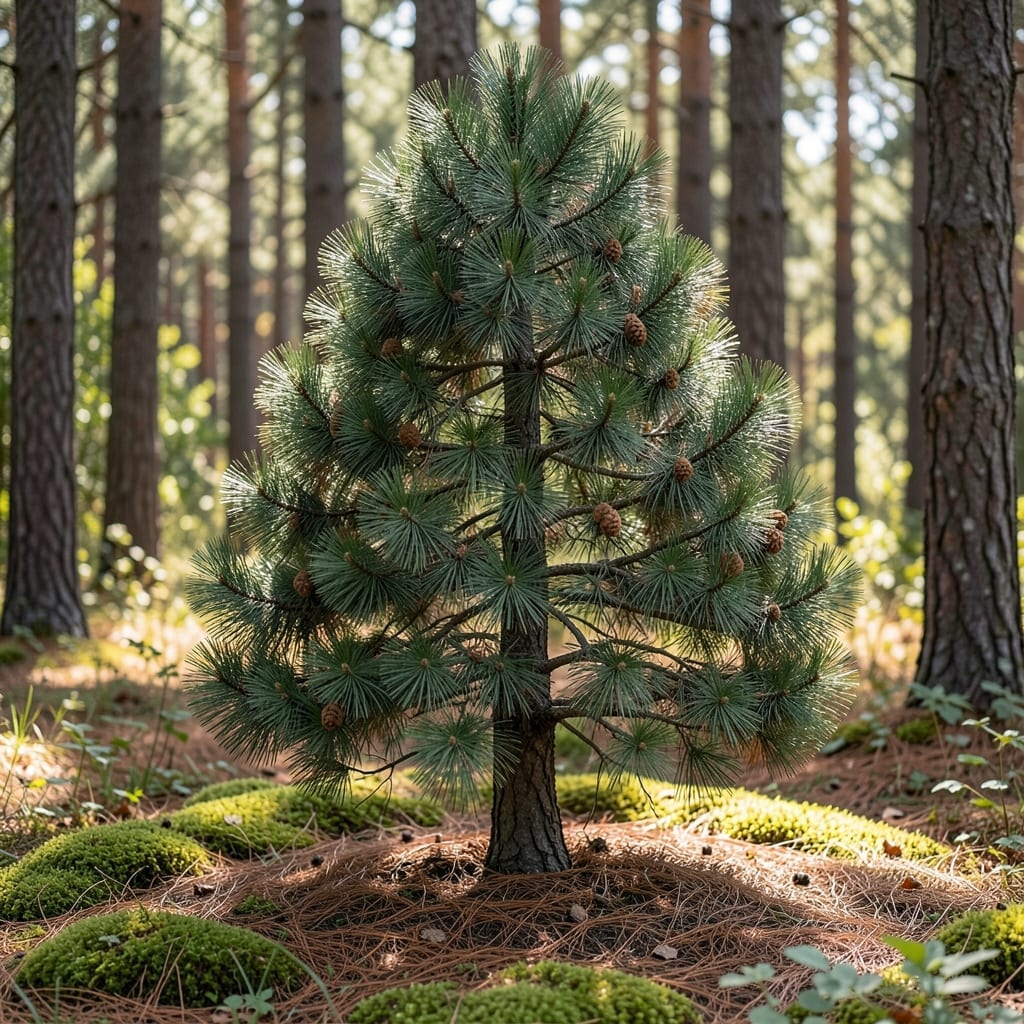
Winter turned my pines into a bug buffet until I spotted the silky cocoons. These aren’t just ugly—they’re pine processionary moth nurseries that can defoliate a tree in one season. Left unchecked, they’ll weaken even mature pines.
I learned the hard way that timing matters. Early detection means you can remove cocoons by hand before they hatch. The process is simpler than it sounds, but you’ll need gloves and a sharp eye. Miss this window, and you’re looking at chemical treatments.
What surprised me most? Natural predators help more than I expected. Birds, parasitic wasps, and even some beetles will take out cocoons if given the chance. Creating a welcoming habitat for these allies reduced my pest problems by 70%.
This approach works for most pine species, from young saplings to established trees. The key is consistent monitoring, especially in late fall and early spring when these pests are most active.
Pine tree cocoons, those protective barriers often seen on evergreens, form due to a few key environmental and biological factors. Understanding these causes can help you better care for your trees. Below are the primary reasons why this phenomenon occurs:
Rapid shifts between freezing nights and mild days can stress pine trees. In response, the tree may develop a cocoon-like structure to shield its needles and buds from frost damage. This natural insulation helps maintain moisture and prevents tissue desiccation during harsh winters.
When pine trees experience prolonged dry periods, especially in late fall or early winter, they may form protective layers to conserve water. The cocoon reduces transpiration, ensuring the tree retains enough moisture to survive until conditions improve.
Some pine cocoons are a reaction to infestations by insects like pine bark beetles or fungal infections. The tree encases affected areas to isolate the damage, preventing the spread of pests or diseases to healthier parts of the tree.
Certain pine species naturally develop dense, cocoon-like clusters of needles as part of their winter hardiness strategy. This adaptation is common in cold climates, where trees evolve to protect their most vulnerable growth points from ice and snow.
If you’ve spotted pine tree cocoons—often formed by pests like bagworms or pine needle scale—act fast to protect your tree’s health. Below are targeted fixes for common causes, plus prevention tips to keep your pines thriving. 🌲✨
Fix: Handpick visible cocoons or bags (wear gloves!) and drop them into soapy water to kill larvae. For severe cases, apply horticultural oil or insecticidal soap in early spring or late fall when pests are active. Always follow label instructions for safe use.
Prevention: Inspect trees regularly, especially in late summer when pests lay eggs. Encourage natural predators like birds by adding nesting boxes. 💡
Fix: Prune damaged branches in early spring to remove cocoon-like structures caused by frost or desiccation. Wrap young trees in burlap or use anti-desiccant sprays to reduce moisture loss.
Prevention: Mulch around the base to retain soil moisture and insulate roots. Water deeply before the first frost to help trees enter dormancy hydrated. ❄️
Fix: Remove infected cocoon-like growths (e.g., from rust fungi) and dispose of them in sealed bags. Apply a copper fungicide if the issue persists, focusing on affected areas.
Prevention: Improve airflow by thinning branches. Avoid overhead watering to keep foliage dry. Rake and remove fallen needles to reduce fungal spores. 🌿
Pro tip: Early intervention is key! A little vigilance goes a long way in keeping your pines cocoon-free and healthy. 🎯
No, some form naturally to protect against winter damage or drought stress. Pest-related cocoons (like bagworms) are usually denser and more visible. Inspect closely to determine the cause.
Early spring or late fall is ideal, when pests are active but before they spread. For winter-related cocoons, prune in early spring to encourage new growth.
Yes! A soapy water solution works for small pest clusters. For larger issues, horticultural oil or insecticidal soap is more effective. Always test on a small area first.