
Beautiful Plants For Your Interior
Beautiful Plants For Your Interior
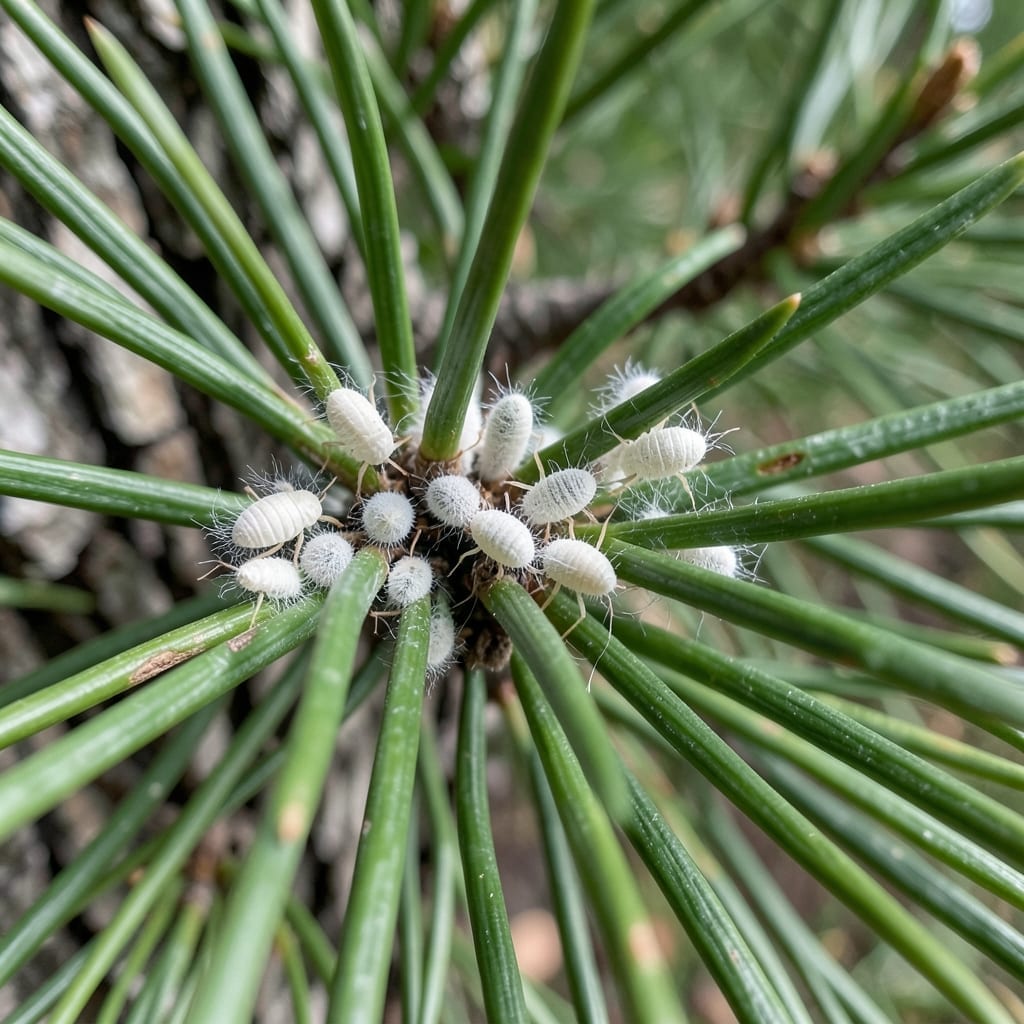
White cottony clusters on your pine needles aren’t just unsightly—they’re stealing your tree’s strength. Mealybugs drain sap, weaken growth, and leave behind sticky residue that attracts mold. I’ve seen healthy pines decline fast when these pests go unchecked.
Early detection is your best defense. Check undersides of needles and branch joints weekly. The good news? Organic solutions like neem oil and insecticidal soap work surprisingly well without harsh chemicals.
Consistent treatment every 7-10 days breaks their life cycle. You’ll notice less webbing within weeks, and your pine’s color and vigor return as the infestation fades.
Best part? These methods protect beneficial insects too. Your tree—and the local ecosystem—stay healthy for the long haul.
Mealybugs thrive on pine trees due to specific environmental and biological factors. Understanding these causes helps in prevention and targeted treatment.
Stressed or weakened pine trees are more susceptible to mealybug infestations. Poor soil nutrition, drought, or root damage compromise the tree’s natural defenses, making it an easy target. Regularly fertilizing and watering pines strengthens their resistance.
Mealybugs prosper in warm, dry climates, which are common in many pine habitats. High temperatures accelerate their reproductive cycles, while low humidity reduces the effectiveness of natural predators like ladybugs. Mulching and proper irrigation can mitigate these conditions.
Excessive chemical pesticides can disrupt the ecosystem around pine trees, killing off beneficial insects that naturally control mealybug populations. Opt for organic treatments or integrated pest management (IPM) to maintain a balanced environment.
Monoculture landscapes (e.g., pine plantations) lack the natural predators that keep mealybugs in check. Introducing companion plants or beneficial insects (e.g., lacewings) restores ecological balance and deters infestations.
Mealybugs on your pine trees can be stubborn, but these targeted solutions will help you regain control. Below are practical fixes for the most common causes, along with prevention tips to keep your trees healthy long-term.
If you spot small clusters of mealybugs, start by pruning heavily infested branches with sterilized shears. Dispose of the clippings in sealed bags to prevent spread. Follow up with a direct spray of insecticidal soap or neem oil (mixed per label instructions) to smother remaining pests. Reapply every 5–7 days until the bugs are gone.
For large-scale outbreaks, use a systemic insecticide containing imidacloprid or dinotefuran. Apply as a soil drench so the tree absorbs it, targeting mealybugs feeding on sap. Note: Avoid using systemic treatments on flowering pines to protect pollinators. Always wear gloves and follow safety guidelines.
Mealybugs often team up with ants, which protect them for their honeydew. To disrupt this, apply sticky bands around the trunk to trap crawling ants. Then, treat the tree with horticultural oil to suffocate mealybugs. For extra defense, place ant baits near the base (but away from the tree’s roots).
Consistency is key! Combine treatments with prevention for the best results.
Check the undersides of needles and branch joints for white, cottony clusters. Early signs include sticky residue on needles and black sooty mold. Inspect weekly in spring and summer for best results.
Neem oil is effective for mild to moderate infestations. For severe cases, combine it with insecticidal soap or switch to a systemic insecticide like imidacloprid for deeper penetration.
While they rarely kill mature trees, severe infestations weaken pines, making them vulnerable to disease. Young or stressed trees are at higher risk. Treat promptly to prevent long-term damage.