
Beautiful Plants For Your Interior
Beautiful Plants For Your Interior
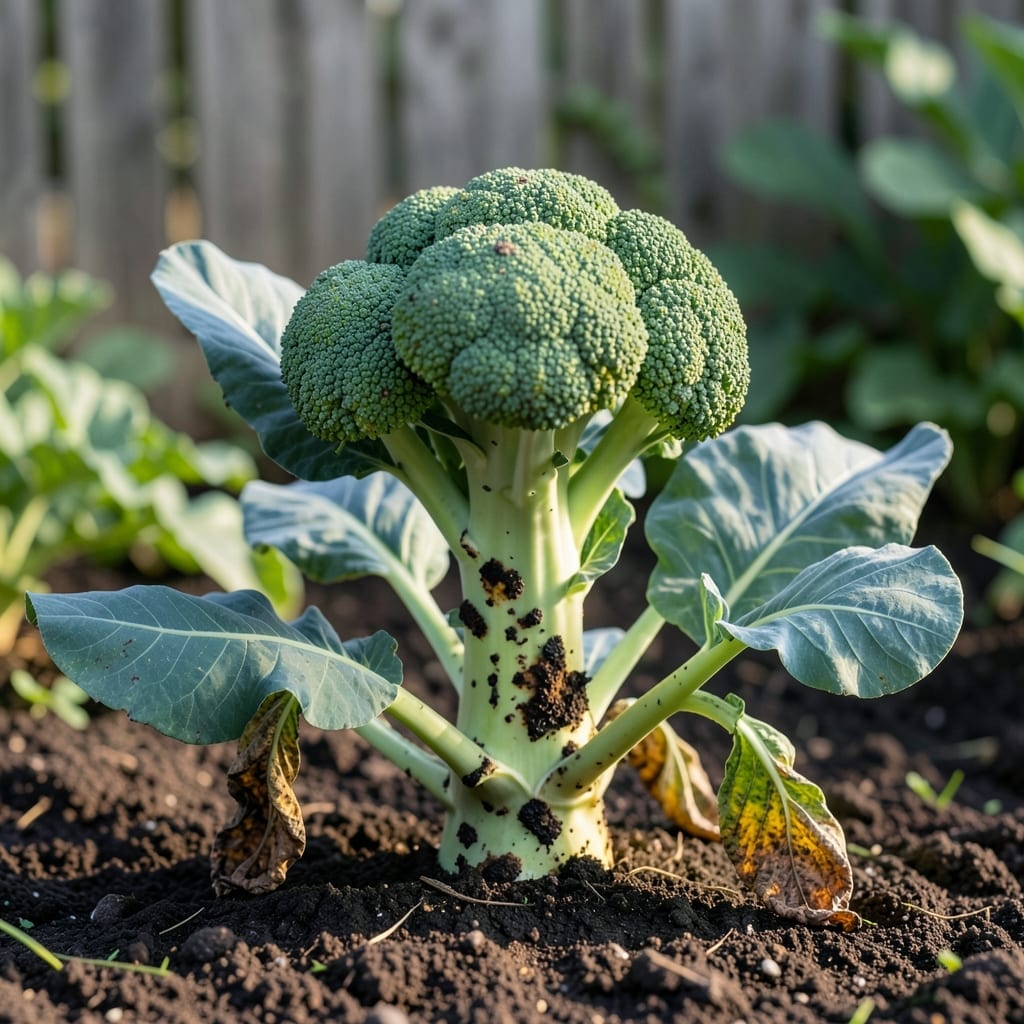
Spotted tiny dark lesions on your broccoli stems? That’s pin rot, and it spreads fast if ignored. I first noticed it on my late-summer crop—small black dots that turned into sunken, rotting patches overnight.
This fungus thrives in warm, wet conditions, so early detection is your best defense. Left unchecked, it weakens plants and ruins harvests. The good news? Organic fixes work if you act before it takes over.
Copper fungicides and crop rotation break the cycle, but prevention starts with spacing plants for airflow. I lost half my crop the year I crowded them—lesson learned the hard way.
Simple steps now save weeks of frustration later. Here’s how to spot it early and stop it cold.
Pin rot in broccoli is often the result of environmental and pathological factors working together. Below are the most common causes, explained scientifically for better understanding and actionable prevention.
Broccoli thrives in well-drained soil, but saturated conditions create the perfect breeding ground for Fusarium and Rhizoctonia fungi, which cause pin rot. Overwatering or heavy rainfall can lead to waterlogged roots, reducing oxygen availability and weakening the plant’s defenses. Actionable fix: Improve soil drainage by amending with organic matter like compost or using raised beds.
Broccoli is a cool-season crop, and high temperatures (above 80°F/27°C) stress the plant, making it more susceptible to fungal infections. Heat stress weakens cellular structures, allowing pathogens to penetrate more easily. Actionable fix: Plant in early spring or late summer to avoid peak heat, and use shade cloth if temperatures rise unexpectedly.
Fusarium oxysporum and Rhizoctonia solani are the primary fungi behind pin rot. These pathogens thrive in contaminated soil or infected plant debris and can spread through water, tools, or even infected seedlings. Actionable fix: Rotate crops (avoid planting brassicas in the same spot yearly) and sanitize gardening tools with a 10% bleach solution.
Using infected seeds or weak seedlings is a direct route to pin rot. Pathogens can linger in seeds or young plants, especially if sourced from unreliable suppliers. Actionable fix: Purchase certified disease-free seeds and inspect seedlings for dark lesions or stunted growth before transplanting.
Pin rot in broccoli can be frustrating, but with the right approach, you can salvage your crop and prevent future outbreaks. Below are targeted solutions for the most common causes, along with prevention tips to keep your broccoli healthy.
If pin rot is caused by Fusarium or Alternaria fungi, start by removing infected plants to stop the spread. Amend your soil with compost or organic matter to improve drainage, as soggy conditions worsen fungal growth. Space plants at least 18 inches apart to boost airflow, and water at the base in the morning so foliage dries quickly. For active infections, apply copper-based fungicides or a baking soda spray (1 tbsp baking soda + 1 tsp dish soap + 1 gallon of water) every 7–10 days.
Prevention: Rotate crops yearly and avoid planting brassicas in the same spot. Use drip irrigation to keep leaves dry.
Pests like cabbage maggots or root-knot nematodes create entry points for rot. Handpick visible pests and use row covers to block adults from laying eggs. For nematodes, solarize soil before planting by covering it with clear plastic for 4–6 weeks. Introduce beneficial nematodes (e.g., Steinernema carpocapsae) to target larvae naturally.
Prevention: Interplant with pest-deterring herbs like thyme or dill, and remove plant debris after harvest.
Excess nitrogen or calcium deficiency can weaken plants, making them susceptible to rot. Test your soil and adjust with organic amendments: add bone meal for calcium or composted manure for balanced nutrients. Avoid over-fertilizing, especially with high-nitrogen mixes.
Prevention: Use a slow-release organic fertilizer and monitor plant health for yellowing or stunted growth.
💡 Pro Tip: Mulch with straw to regulate soil moisture and temperature, reducing stress on broccoli roots.
Look for small, dark lesions on stems or heads that grow into sunken, rotting spots. Leaves may yellow or wilt as the disease progresses.
Remove infected plants immediately and avoid overhead watering. Apply a copper fungicide or baking soda spray to remaining plants every 7–10 days.
Only if the damage is minimal and limited to the outer leaves. Cut away affected areas and cook thoroughly. Discard severely infected plants.
Yes! Avoid planting brassicas in the same spot for at least 3 years. This breaks the fungal life cycle in the soil.