
Beautiful Plants For Your Interior
Beautiful Plants For Your Interior
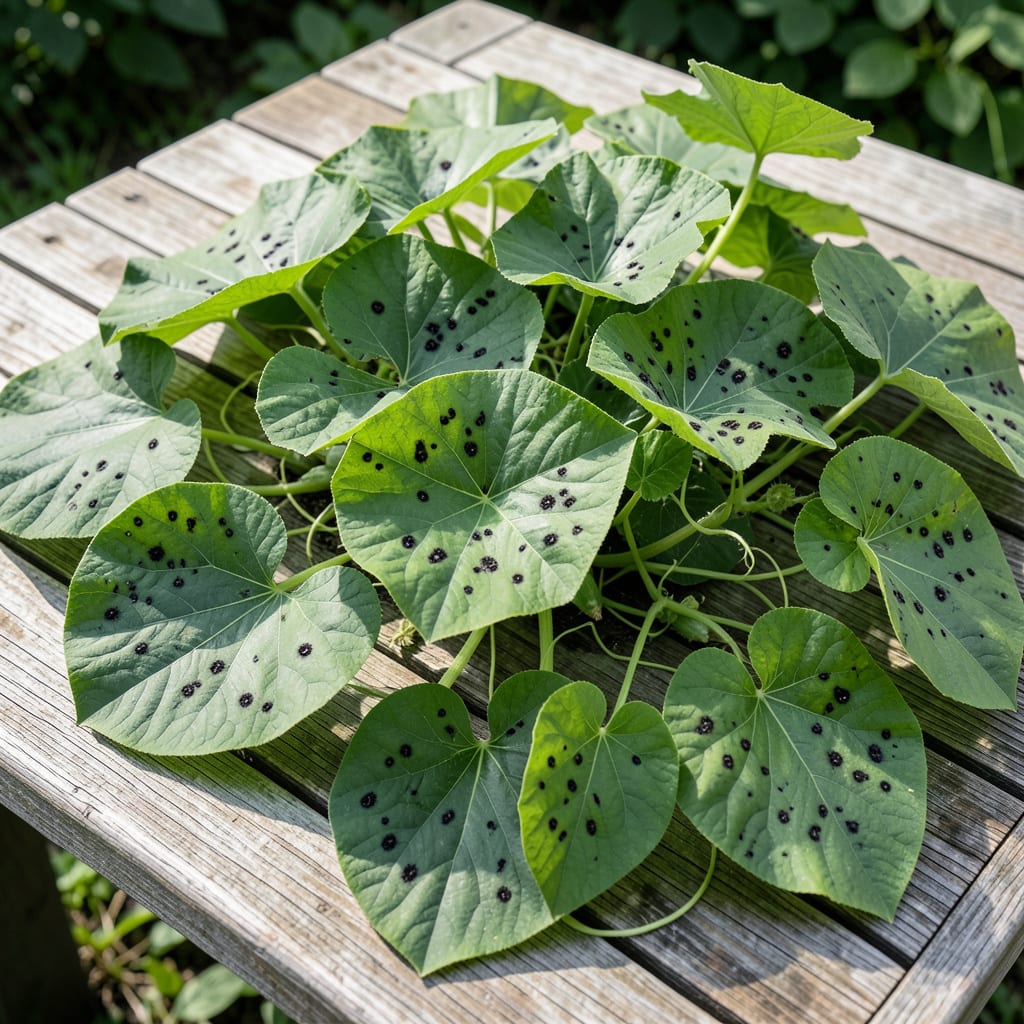
Those black dots on your cucumber leaves aren’t just unsightly—they’re a warning sign. I’ve seen entire vines go from healthy to crisis in 48 hours when ignored.
Fungal diseases, hungry pests, or even water stress can create these spots. The good news is early action works. My cucumbers bounced back completely after catching the problem at this stage.
You’ll notice the dots start small and dark, then spread or change shape. Some develop yellow halos, others merge into larger patches. Each pattern points to a different culprit.
Organic fixes exist for every cause. The key is matching the solution to the symptom before it spreads to your entire crop.
Black dots on cucumber leaves are a red flag for underlying issues, often tied to environmental stress or pathogens. Here’s a breakdown of the most common causes:
Fungi like Alternaria or Cercospora thrive in damp, humid conditions. They produce dark, circular lesions as they colonize leaf tissue. These spores spread via water splashes or wind, so overhead watering or crowded plants worsen the problem.
Sap-sucking pests such as aphids or spider mites leave behind sticky residue (honeydew) that attracts sooty mold—a black fungus. This mold appears as dots but is secondary to the pest damage. Check leaf undersides for tiny insects or webbing.
Overwatering or poor drainage leads to root rot, which can manifest as black spots on leaves due to nutrient deficiencies. Similarly, water droplets on leaves under strong sunlight can cause scorching, leaving dark, burnt-like spots.
A lack of potassium or magnesium can cause necrotic (dead) tissue, appearing as black dots. Test soil pH—cucumbers prefer 6.0–6.8. Imbalances hinder nutrient uptake, stressing the plant.
Tackling those pesky black dots on your cucumber leaves is easier than you think. Below are targeted solutions for the most common causes, along with prevention tips to keep your plants healthy.
Remove infected leaves immediately to stop the spread. Apply copper-based fungicides or a homemade mix of 1 tsp baking soda + 1 quart water + a few drops of dish soap. Spray every 7–10 days or after rain.
Prevention: Improve air circulation by spacing plants 18–24 inches apart. Water at the base (not overhead) to keep leaves dry.
Blast pests off with a strong jet of water, then apply neem oil or insecticidal soap (follow label instructions). For severe cases, introduce beneficial insects like ladybugs.
Prevention: Inspect leaves weekly for early signs. Encourage biodiversity with companion plants like marigolds to deter pests.
Let the top inch of soil dry out between waterings. If the soil stays soggy, amend it with compost or sand to improve drainage. Use mulch to retain moisture without waterlogging.
Prevention: Water deeply but less frequently (1–2 times per week, depending on climate). Use raised beds if your soil is heavy clay.
Yellowing leaves with black spots often signal a magnesium or potassium shortage. Apply a balanced organic fertilizer or Epsom salt (1 tbsp per gallon of water) as a foliar spray.
Prevention: Test your soil annually and enrich it with compost or worm castings before planting.
💡 Pro Tip: Always sterilize pruning tools with rubbing alcohol between cuts to avoid spreading disease!
Yes, fungal spores and pests can travel between plants. Isolate affected cucumbers immediately and avoid touching healthy plants after handling infected ones.
The fruit remains edible unless the plant is severely diseased. Wash cucumbers thoroughly and inspect for rot. Discard any with soft spots or mold.
Neem oil or fungicides show results in 7-10 days if applied correctly. For pests, a second application after 5-7 days ensures full elimination.
Improve airflow, water at the base, and use companion plants like marigolds. A baking soda spray (1 tsp per quart) works as a mild fungicide.
