
Beautiful Plants For Your Interior
Beautiful Plants For Your Interior
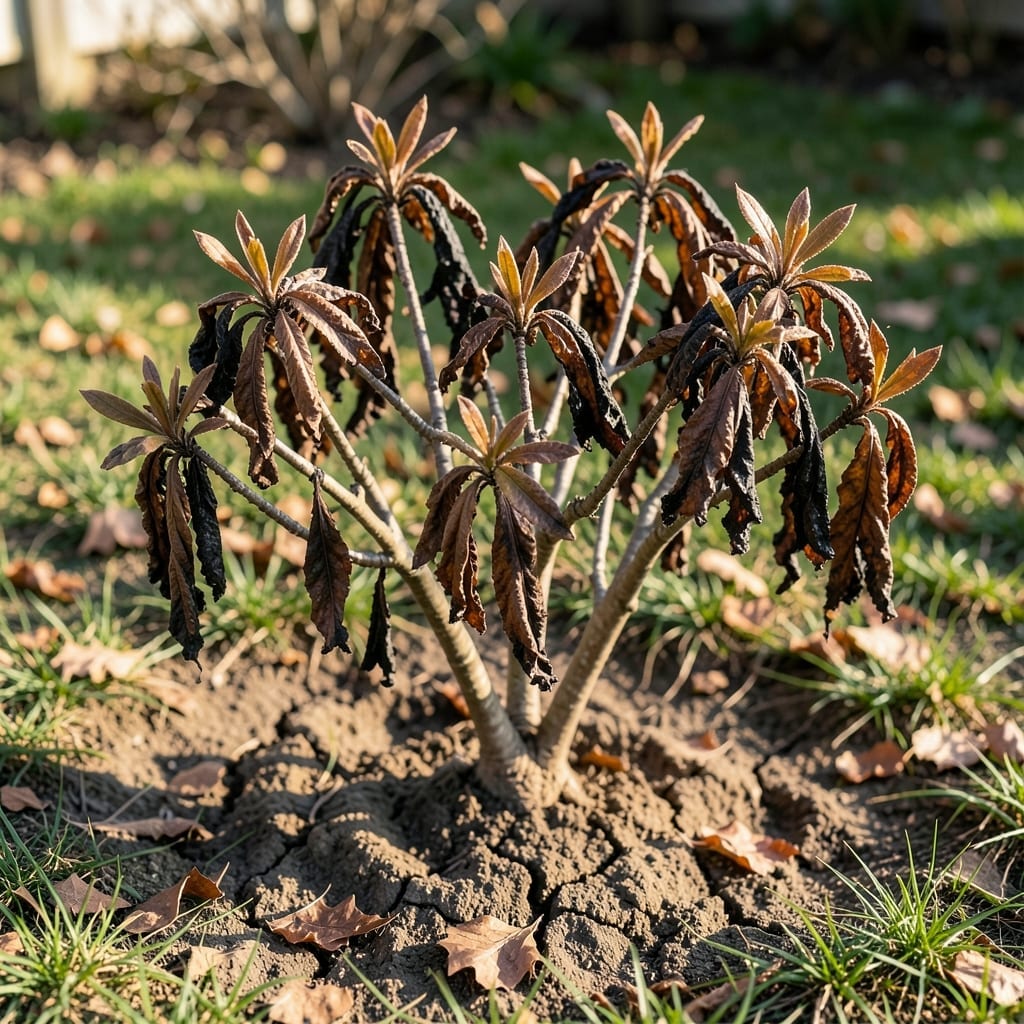
I lost my first azaleas after one rough summer, and the frustration was real. They went from vibrant blooms to crispy brown sticks in weeks. Turns out, most azalea deaths share a few common causes—and they’re all fixable once you spot them.
Between you and me, the biggest killers are usually wrong soil pH, poor drainage, or a hidden pest problem. I learned to check the leaves first: yellowing often means iron deficiency, while brown spots usually signal fungus.
With a quick visual inspection and some simple adjustments, you can often bring them back. Even my most pitiful-looking azaleas perked up after correcting the soil acidity and improving water flow.
Here’s how to play plant detective and nurse them back to health.
Azaleas are prized for their vibrant blooms, but when they die, it’s often due to a few preventable issues. Here’s why your azaleas might be struggling:
Azaleas thrive in moderate climates (USDA zones 4-9) and can suffer from cold snaps or heatwaves. Sudden frost can damage tender buds, while scorching sun dehydrates roots. Plant in partial shade and mulch heavily to stabilize soil temperature.
Root rot (from soggy soil) and drought stress (from dry conditions) are top killers. Azaleas need consistent moisture—water deeply 1-2 times per week, ensuring good drainage. Yellowing leaves often signal overwatering, while crispy, brown edges indicate thirst.
Phytophthora root rot and powdery mildew thrive in wet, poorly ventilated areas. Look for wilting despite moist soil (root rot) or white powder on leaves (mildew). Prune for airflow, avoid overhead watering, and apply fungicide if needed.
Azaleas require acidic soil (pH 4.5–6.0). Alkaline soil (common in limestone-rich areas) locks out iron, causing chlorosis (yellow leaves with green veins). Test soil and amend with sulfur or peat moss to lower pH.
Lace bugs and azalea borers suck sap or tunnel into stems, leading to stippled leaves or sudden dieback. Inspect undersides of leaves and treat with neem oil or insecticidal soap early.
If your azaleas look lifeless, don’t lose hope! Here’s how to diagnose and fix the most common issues with practical, step-by-step solutions.
Azaleas thrive in acidic soil (pH 4.5–6.0). If leaves turn yellow with green veins, the soil may be too alkaline. Fix it: Test the soil with a kit and amend with sulfur or peat moss to lower pH. Water with rainwater or distilled water if your tap water is hard.
Prevention tip: 💡 Apply a 2–3 inch layer of pine bark mulch annually to maintain acidity.
Overwatering or drought can cause wilting. Fix it: Stick your finger 1–2 inches into the soil—if it’s dry, water deeply; if soggy, improve drainage with compost or perlite. Trim blackened stems to healthy wood.
Prevention tip: 🌧️ Water at the base of the plant (not overhead) in the early morning to avoid fungal issues.
Lace bugs and spider mites leave stippled or webbing-covered leaves. Fix it: Blast pests off with water or apply neem oil or insecticidal soap. For severe infestations, use horticultural oil.
Prevention tip: 🎯 Encourage beneficial insects like ladybugs by planting companion flowers.
Late frosts can kill new growth. Fix it: Prune dead branches back to live wood after the last frost. Prevent it: 🛡️ Cover plants with burlap or frost cloth during unexpected cold snaps.
Mushy roots and stunted growth signal rot. Fix it: Dig up the plant, trim black roots, and replant in well-draining, acidic soil. Avoid heavy clay.
Prevention tip: ✨ Plant azaleas in raised beds if your soil stays soggy.
With the right care, even struggling azaleas can bounce back—just act fast and stay consistent!
Scratch the stem with your fingernail. If it’s green underneath, it’s alive. If it’s brown and dry, it may be dead. Dormant azaleas often have firm stems with buds.
This usually signals drought stress or salt burn from over-fertilizing. Check soil moisture 2 inches deep—if dry, water deeply. Avoid fertilizers high in salts.
Yes, if caught early. Dig it up, trim black, mushy roots, and replant in fresh, acidic soil with good drainage. Avoid overwatering after replanting.
This is classic iron deficiency from alkaline soil. Lower pH with sulfur or peat moss, and use an iron chelate supplement.