
Beautiful Plants For Your Interior
Beautiful Plants For Your Interior
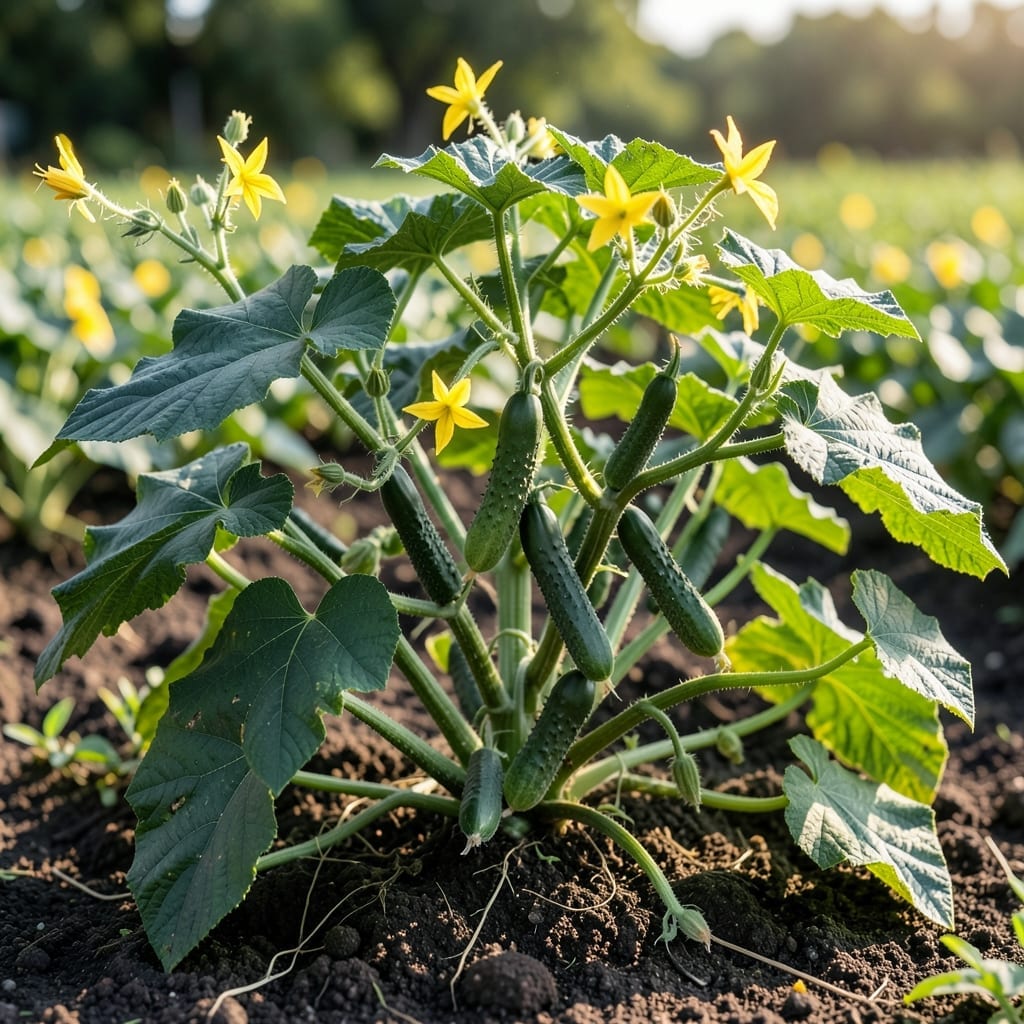
Cucumber leaves tell you everything about your plant’s health before problems spread. I’ve learned to check mine daily during peak growing season—yellowing edges or white spots mean it’s time to act fast.
Healthy pickling cucumber leaves are deep green, firm, and slightly rough to the touch. When they start looking dull or develop holes, it’s usually a sign of pests or disease. Catching these early saves your harvest and keeps plants productive.
Pruning damaged leaves isn’t just maintenance—it’s prevention. Removing affected foliage stops issues from spreading and redirects energy to fruit production. The difference in plant vigor is noticeable within 48 hours.
This approach works for container gardens, raised beds, or row planting. The key is consistency: check leaves in the morning when they’re fresh, and act at the first sign of trouble.
Understanding why pickling cucumber leaves wilt or discolor is key to early intervention. Below are the primary causes, explained with actionable insights.
Cucumbers thrive in warm climates but can suffer when temperatures exceed 90°F (32°C). High heat accelerates transpiration, causing leaves to lose moisture faster than roots can replenish it. Wilting often appears midday and may recover at night if stress is mild. To mitigate, provide afternoon shade or use mulch to retain soil moisture.
Both overwatering and underwatering trigger leaf issues. Overwatering suffocates roots, reducing oxygen uptake and leading to yellowing or wilting. Underwatering, on the other hand, causes crisp, dry edges and drooping. Check soil moisture 1–2 inches deep—it should feel damp but not soggy. Adjust watering schedules based on weather and soil drainage.
Pathogens like powdery mildew or downy mildew thrive in humid conditions, coating leaves in white or yellow spots. These fungi block photosynthesis, weakening the plant. Improve air circulation by spacing plants 12–18 inches apart and avoid overhead watering. Fungicides (e.g., neem oil or copper-based) can treat early outbreaks.
Sap-sucking pests like aphids or spider mites drain nutrients from leaves, causing stippling, curling, or discoloration. Inspect leaf undersides for tiny insects or webbing. Introduce beneficial insects (e.g., ladybugs) or use insecticidal soap for control.
Yellowing between leaf veins often signals iron or magnesium deficiency, while uniform yellowing may indicate nitrogen lack. Test soil pH (ideal: 6.0–6.8) and amend with compost or targeted fertilizers (e.g., Epsom salt for magnesium).
When your pickling cucumber leaves show signs of trouble, quick action can save your plants. Below are practical solutions for common issues, paired with prevention tips to keep your garden thriving.
Yellow leaves often signal a nitrogen deficiency. Apply a balanced fertilizer (10-10-10) or a nitrogen-rich organic option like compost tea. Water deeply afterward to help absorption. Prevention tip: 💡 Test soil annually and amend with compost before planting.
For aphids, cucumber beetles, or spider mites, spray leaves with a mix of water, neem oil, and a drop of dish soap. Reapply every 5–7 days until pests are gone. Prevention tip: 🎯 Encourage beneficial insects (like ladybugs) by planting companion flowers like marigolds.
Overwatering or fungal diseases (e.g., powdery mildew) cause wilting or spots. Reduce watering, aim for morning irrigation to let leaves dry, and remove infected foliage. For fungi, apply copper-based fungicide. Prevention tip: ✨ Space plants for airflow and avoid wetting leaves.
If leaves look scorched, provide afternoon shade with row covers or shade cloth. Mulch around plants to retain moisture. Prevention tip: 🌡️ Plant in well-draining soil and use drip irrigation to keep roots consistently hydrated.
Act at the first sign of trouble, and your pickling cucumbers will reward you with healthy growth and a bountiful harvest!
Yellow leaves often indicate a nitrogen deficiency or overwatering. Test soil moisture 1-2 inches deep—it should feel damp but not soggy. Apply a balanced fertilizer if needed.
Improve airflow by spacing plants 12-18 inches apart and avoid overhead watering. Apply neem oil or a copper-based fungicide at the first sign of white spots.
Yes, but only if they’re free of pests or disease. Remove severely affected leaves and discard them to prevent spreading issues. Healthy trimmings can go in compost.