
Beautiful Plants For Your Interior
Beautiful Plants For Your Interior
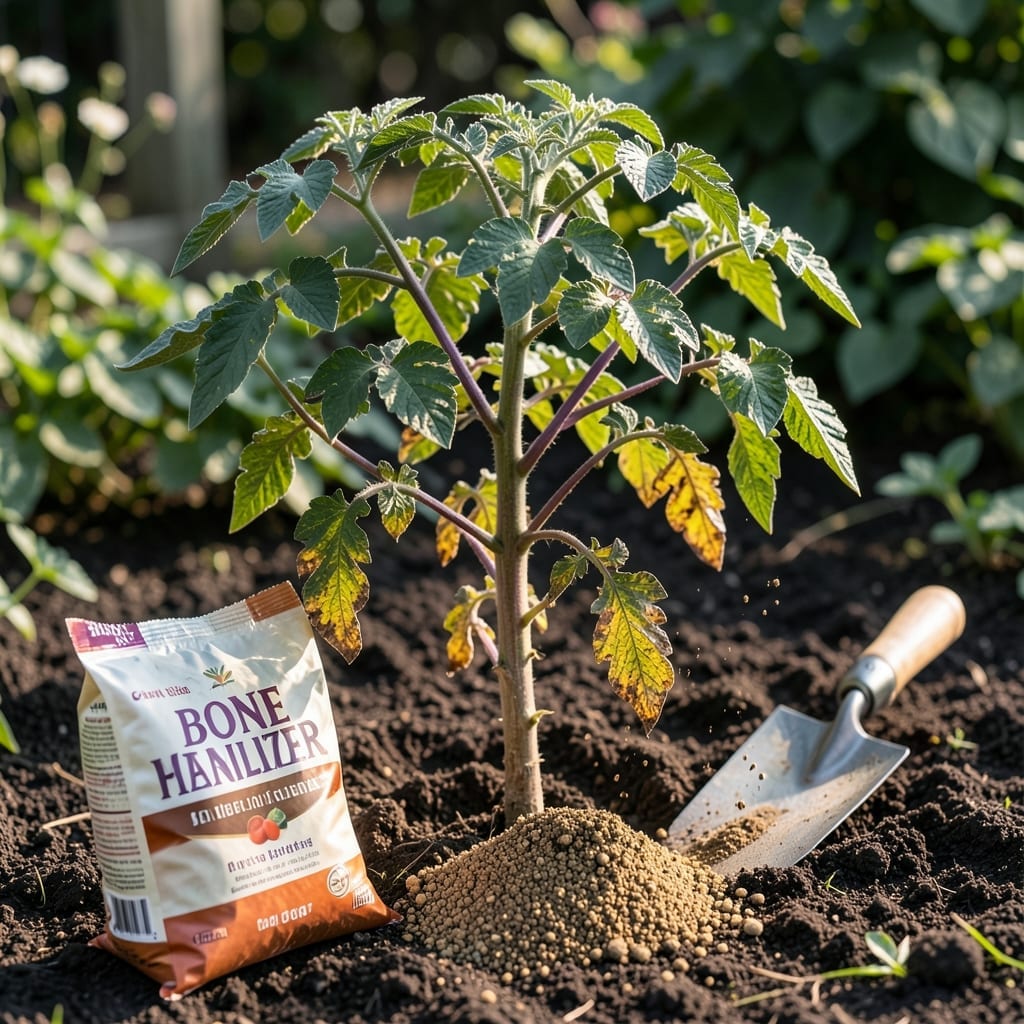
Purple stems and dark green leaves are your plant’s cry for help. I spotted these telltale signs on my tomatoes last season and knew phosphorus was missing from the soil.
Cold, compacted, or overly acidic soil often locks up this nutrient. A quick soil test confirmed my suspicion—levels were way too low. The fix isn’t complicated, but it does require the right approach.
Bone meal, compost, or a balanced fertilizer can restore phosphorus fast. Within 2-3 weeks, my plants perked up, stems turned green, and growth kicked into high gear.
Prevent it next season with annual soil tests and organic matter. Healthy soil means stronger plants from the start.
Phosphorus deficiency in plants often stems from a mix of soil, environmental, and biological factors. Understanding these causes helps you take precise action to restore plant health.
Soils naturally low in phosphorus—especially sandy or highly weathered soils—struggle to provide enough of this essential nutrient. Phosphorus binds tightly to soil particles, making it less accessible to plant roots. Organic matter is key: soils with < 2% organic matter frequently show deficiency symptoms.
Phosphorus uptake drops sharply when soil temperatures fall below 50°F (10°C). Cold conditions slow root metabolism and microbial activity, reducing the conversion of organic phosphorus into plant-available forms. This is why early spring crops often show purpling leaves, a classic sign of deficiency.
Waterlogged soils limit oxygen availability, which in turn restricts root growth and phosphorus absorption. Additionally, excessive rainfall or irrigation can leach phosphorus from the root zone, especially in sandy soils with low cation exchange capacity.
Phosphorus availability is highly pH-dependent. In acidic soils (pH < 5.5), phosphorus reacts with iron and aluminum, forming insoluble compounds. In alkaline soils (pH > 7.5), it binds with calcium and magnesium. The sweet spot for phosphorus uptake is a soil pH of 6.0–7.0.
Beneficial soil microbes play a crucial role in mineralizing organic phosphorus into soluble forms. Overuse of chemical fertilizers, soil compaction, or lack of organic inputs can suppress microbial populations, reducing phosphorus availability even when it’s present in the soil.
Phosphorus deficiency can stunt plant growth, but the right fixes can restore vitality quickly. Below are targeted solutions based on common causes, along with prevention tips to keep your garden thriving.
Phosphorus becomes less available in cold, wet soil. Fix it by warming the soil with black plastic mulch or row covers. For immediate relief, apply a liquid phosphorus fertilizer (like 10-30-20) directly to the roots. Prevention tip 💡: Plant warm-season crops after soil temperatures reach at least 55°F (13°C).
If a soil test confirms deficiency, amend the soil with bone meal (3-15-0) or rock phosphate (0-3-0). Mix these into the top 6 inches of soil before planting. For existing plants, side-dress with compost or worm castings. Prevention tip ✨: Rotate crops annually and add organic matter to maintain phosphorus levels.
Phosphorus is most available when soil pH is between 6.0 and 7.0. Test your soil and amend with lime to raise pH or sulfur to lower it. For a quick boost, use a phosphorus-solubilizing bacterial inoculant. Prevention tip 🎯: Monitor soil pH every 2–3 years and adjust as needed.
Soggy soil suffocates roots and reduces phosphorus uptake. Fix it by improving drainage with raised beds or sand amendments. Water deeply but less frequently to encourage root growth. Prevention tip 🌡️: Use a moisture meter to avoid overwatering.
With these fixes, your plants will bounce back—stronger and more resilient! 🌿
With liquid fertilizers, you may notice changes in 7-14 days. Granular amendments like bone meal take 2-3 weeks to break down. For severe deficiencies, combine both methods for faster results.
Yes, over-application can lead to nutrient imbalances and runoff pollution. Stick to soil test recommendations—typically 5-10 lbs of bone meal per 100 sq ft. More isn’t always better for plant health.
Bone meal and rock phosphate are top choices. Compost and worm castings also add phosphorus gradually. For fast action, use fish emulsion or seaweed extracts.
Phosphorus is vital for energy transfer. When lacking, anthocyanin pigments build up, causing purpling on leaves and stems. This often appears first on older leaves.