
Beautiful Plants For Your Interior
Beautiful Plants For Your Interior
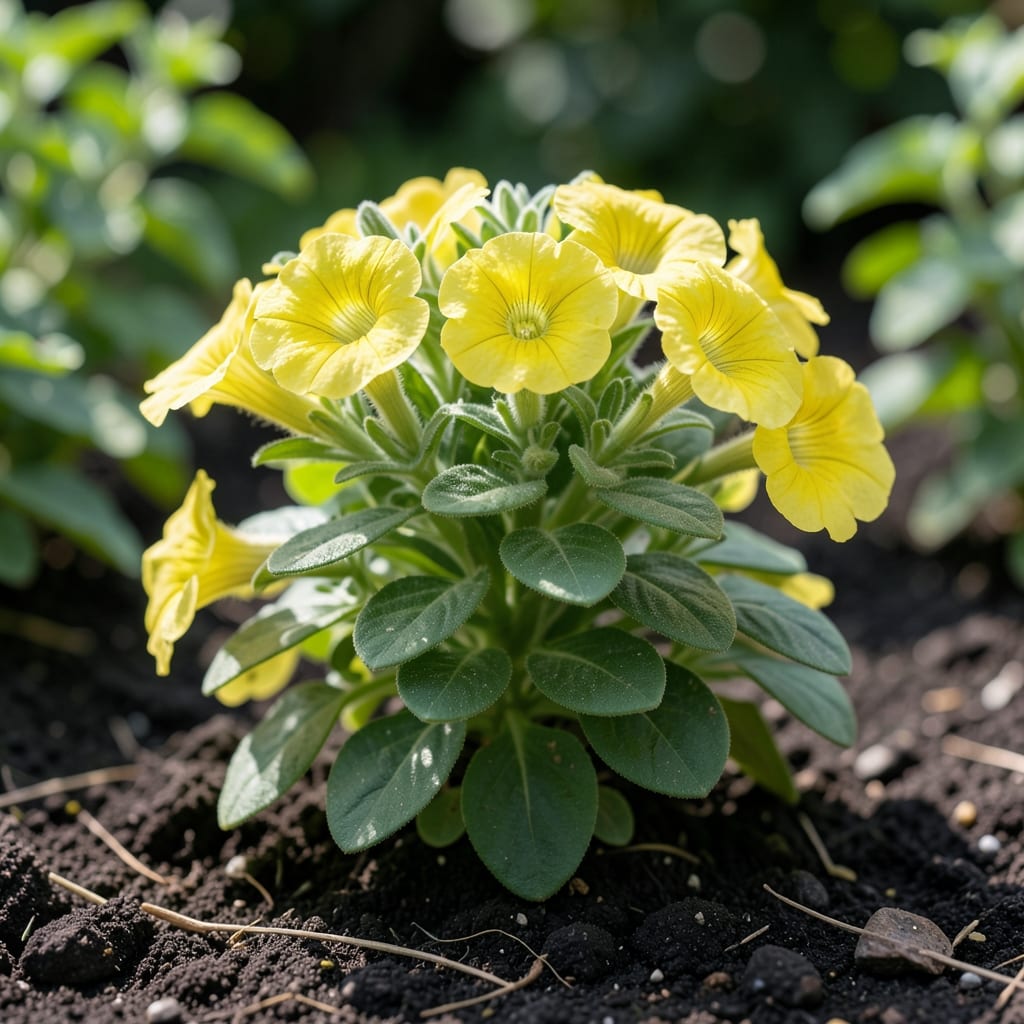
Yellow petunia leaves hit me hard last summer. One day they were vibrant, the next they looked sickly and sad.
Turns out this is often a watering issue—either too much or too little. But nutrient problems or pests can also be the culprit, and I’ve learned to check the soil first.
With a few simple fixes like adjusting watering routines or adding organic fertilizer, you’ll see green return in 1-2 weeks.
Prevention is easier than cure, and I’ll show you how to keep your petunias healthy all season long.
Yellowing leaves on petunias often signal an underlying issue that disrupts chlorophyll production or nutrient uptake. Below are the most common causes, explained with actionable insights.
Excess moisture suffocates roots, preventing oxygen absorption and leading to root rot. Fungi like Phytophthora thrive in soggy soil, damaging root systems. This inhibits water and nutrient transport, causing leaves to turn yellow (chlorosis) and wilt. Fix: Ensure pots have drainage holes and use well-draining soil. Water only when the top inch of soil is dry.
Petunias are heavy feeders. A lack of nitrogen (essential for chlorophyll) causes uniform yellowing, starting with older leaves. Iron or magnesium deficiency (common in alkaline soils) triggers interveinal chlorosis—yellow leaves with green veins. Fix: Use a balanced, water-soluble fertilizer (10-10-10) or amend soil with compost. For iron, apply chelated iron supplements.
Aphids, whiteflies, and spider mites sap plant juices, weakening petunias and introducing toxins that disrupt photosynthesis. Their feeding often leaves sticky residue (honeydew), promoting sooty mold growth, which further blocks light. Fix: Spray with neem oil or insecticidal soap weekly until pests are gone.
Too much direct sunlight (especially in hot climates) can scorch leaves, while insufficient light leads to weak, yellow growth. Temperature extremes (below 40°F or above 90°F) also stress petunias, slowing metabolism. Fix: Provide afternoon shade in hot regions and move pots indoors if frost threatens.
Pathogens like Fusarium or Verticillium wilt block vascular tissues, cutting off water and nutrient flow. Early signs include yellowing between leaf veins, followed by browning and wilting. Fix: Remove infected plants, avoid overhead watering, and apply copper-based fungicides preventatively.
Tackling yellow leaves on your petunias starts with identifying the root cause. Below are targeted fixes for common issues, along with prevention tips to keep your plants thriving.
Fix: If the yellowing starts on older leaves, your petunias may lack nitrogen. Apply a balanced, water-soluble fertilizer (10-10-10 or 20-20-20) every 2–3 weeks during the growing season. For magnesium deficiency (yellowing between veins), use Epsom salt (1 tablespoon per gallon of water) as a foliar spray.
Prevention:
Fix: Let the top inch of soil dry out between waterings. If the soil is soggy, stop watering immediately and check the roots for rot (mushy, dark roots). Trim affected roots and repot in fresh, well-draining potting mix. Ensure containers have drainage holes.
Prevention:
Fix: Petunias need 6–8 hours of sunlight daily. If leaves yellow due to too much sun (often with brown edges), provide afternoon shade with a sheer cloth or move pots to a brighter but indirect spot. For lack of light, relocate to a sunnier area.
Prevention:
Fix: Inspect undersides of leaves for aphids, spider mites, or whiteflies. Blast them off with water or use neem oil spray (mix 1 tsp oil + 1 tsp dish soap per quart of water). Repeat every 5–7 days until pests are gone.
Prevention:
Fix: Remove infected leaves immediately to prevent spread. Improve air circulation by spacing plants 12–18 inches apart. Apply a copper-based fungicide for fungal issues or a bactericide for bacterial spots. Avoid overhead watering.
Prevention:
Water when the top 1 inch of soil feels dry. In hot weather, this may mean daily watering, but always check soil moisture first. Overwatering is a more common issue than underwatering.
Mild cases often recover in 1-2 weeks with proper care. Severely damaged leaves won’t revert, but new growth will be healthy. Address the root cause quickly for best results.
A balanced 10-10-10 or 20-20-20 water-soluble fertilizer works best. For magnesium deficiency, use 1 tablespoon Epsom salt per gallon of water as a foliar spray.
This typically indicates nitrogen deficiency. Petunias move nitrogen to new growth first, leaving older leaves to yellow. A fertilizer boost usually fixes this.