
Beautiful Plants For Your Interior
Beautiful Plants For Your Interior
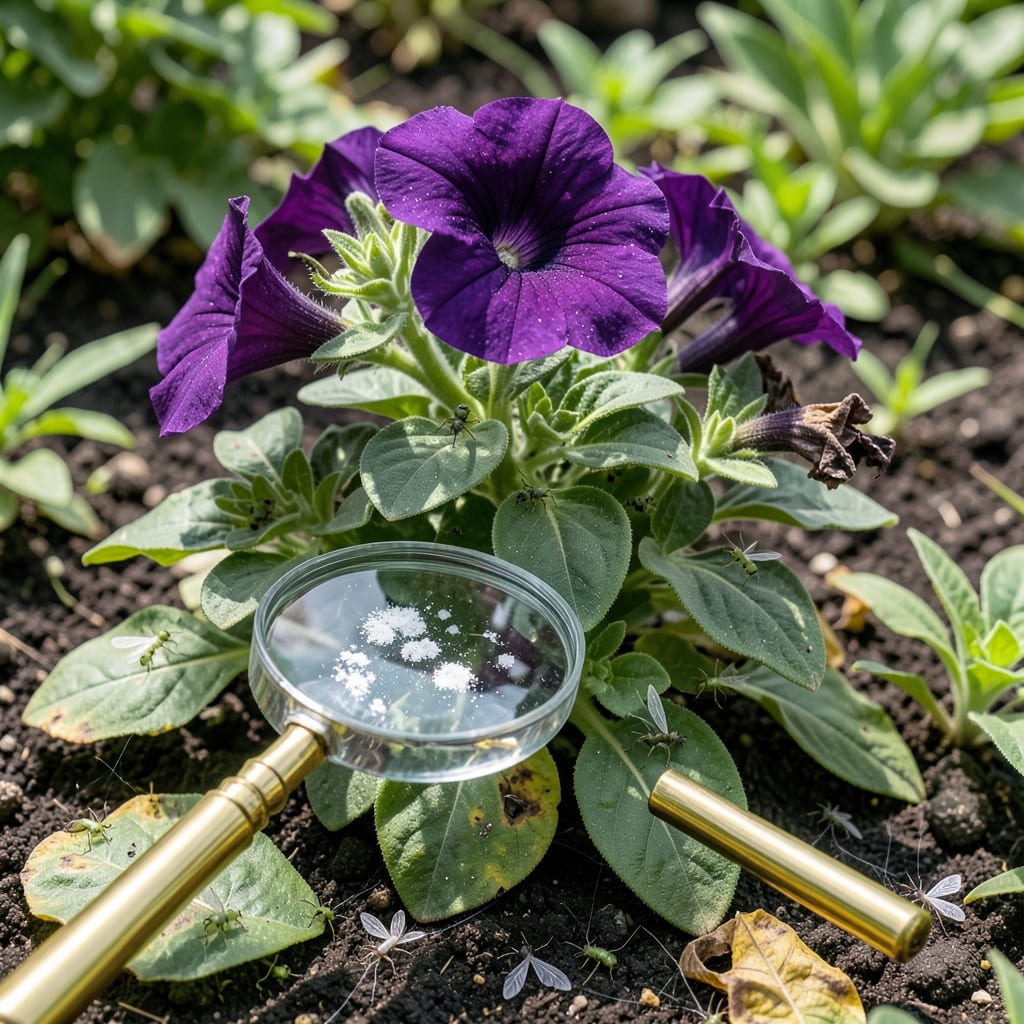
Nothing ruins a wave of petunia color faster than yellowing leaves or chewed blooms. I’ve lost entire hanging baskets to pests before learning the early warning signs that separate minor issues from full-blown disasters.
The key is catching problems before they spread. Most petunia troubles start with overwatering, poor air circulation, or uninvited guests like aphids and spider mites. Simple daily checks can prevent weeks of frustration.
You’ll spot the difference between fungal spots and pest damage within 24 hours of close inspection. The solutions are often simpler than you think—just know what you’re dealing with first.
Works for container gardens, flower beds, and hanging baskets alike. Here’s how to keep them thriving all season.
Understanding the root causes of petunia diseases and pests helps you prevent them before they take hold. Here’s a breakdown of the most common triggers:
Petunias thrive in specific conditions, and deviations can weaken them, making them susceptible to disease and pest infestations. High humidity and poor air circulation create ideal breeding grounds for fungal diseases like powdery mildew and botrytis. Conversely, drought stress or overwatering can compromise the plant’s natural defenses, inviting pests like aphids and spider mites. Ensure proper spacing between plants and maintain consistent moisture levels to mitigate these risks.
Many petunia diseases originate from pathogens lurking in the soil. Fungal organisms such as Fusarium and Phytophthora can cause wilting, root rot, and stunted growth. These pathogens often thrive in poorly drained or contaminated soil. Using sterilized potting mix and rotating planting locations can significantly reduce the likelihood of soil-borne infections.
Petunias release a sweet fragrance that, while pleasant to humans, can attract pests like aphids, whiteflies, and Japanese beetles. These pests not only damage the plant directly by feeding on leaves and stems but also spread viral diseases (e.g., tobacco mosaic virus) as they move from plant to plant. Regularly inspect your petunias for early signs of infestation, such as sticky residue (honeydew) or curled leaves, and use insecticidal soaps or neem oil for control.
Improper care, such as over-fertilization or lack of pruning, can stress petunias and make them more vulnerable. Excess nitrogen, for example, promotes lush foliage but weakens the plant’s overall resistance. Additionally, failing to remove dead or diseased foliage allows pathogens to spread. Adopt balanced fertilization and regular deadheading to keep your petunias healthy and resilient.
When your petunias show signs of trouble, quick action can save the day. Here’s a clear, practical guide to tackling common issues and keeping your blooms vibrant.
If white, powdery spots appear on leaves, remove affected foliage immediately and dispose of it in the trash (not compost). Spray the plant with a baking soda solution (1 tsp baking soda + 1 quart water + a few drops of dish soap). For severe cases, use a fungicide labeled for powdery mildew.
Prevention tip: 💡 Space plants for good airflow, water at the base (not overhead), and avoid late-day watering.
Spot tiny green bugs or webbing? Blast them off with a strong water spray from the hose. For stubborn infestations, apply insecticidal soap or neem oil (follow label instructions). Repeat every 5-7 days until gone.
Prevention tip: 🎯 Encourage natural predators like ladybugs by planting companion flowers (e.g., marigolds).
Yellowing leaves and wilting? Check for soggy soil. Stop watering and let the soil dry out. If the pot lacks drainage, repot in fresh, well-draining mix. Trim black, mushy roots with sterilized scissors before replanting.
Prevention tip: ✨ Use containers with drainage holes and a quality potting mix with perlite.
See chewed leaves or slime? Handpick pests at dusk or dawn, or set up beer traps (bury a shallow dish filled with beer). For a chemical-free barrier, sprinkle diatomaceous earth around plants.
Prevention tip: 🌡️ Keep the garden free of debris and mulch lightly to reduce hiding spots.
Brown or black spots with yellow halos? Remove infected leaves and avoid overhead watering. Apply a copper-based fungicide if the problem spreads. Disinfect pruning tools with rubbing alcohol between cuts.
Prevention tip: 🌟 Rotate crops annually and avoid crowding plants to improve air circulation.
Inspect your petunias every 2-3 days during warm weather. Look under leaves and near the soil for early signs like eggs, webbing, or chewed edges. Catching pests early makes treatment much easier.
Yes! A baking soda solution (1 tsp baking soda + 1 quart water + dish soap) works well for powdery mildew. For severe cases, use a copper-based fungicide from the garden center.
This often signals root rot from poor drainage. Stop watering immediately and repot in fresh, well-draining soil. Trim any black, mushy roots before replanting.
Create barriers with diatomaceous earth or crushed eggshells. Set up beer traps at soil level for overnight protection. Keep garden beds free of debris.