
Beautiful Plants For Your Interior
Beautiful Plants For Your Interior
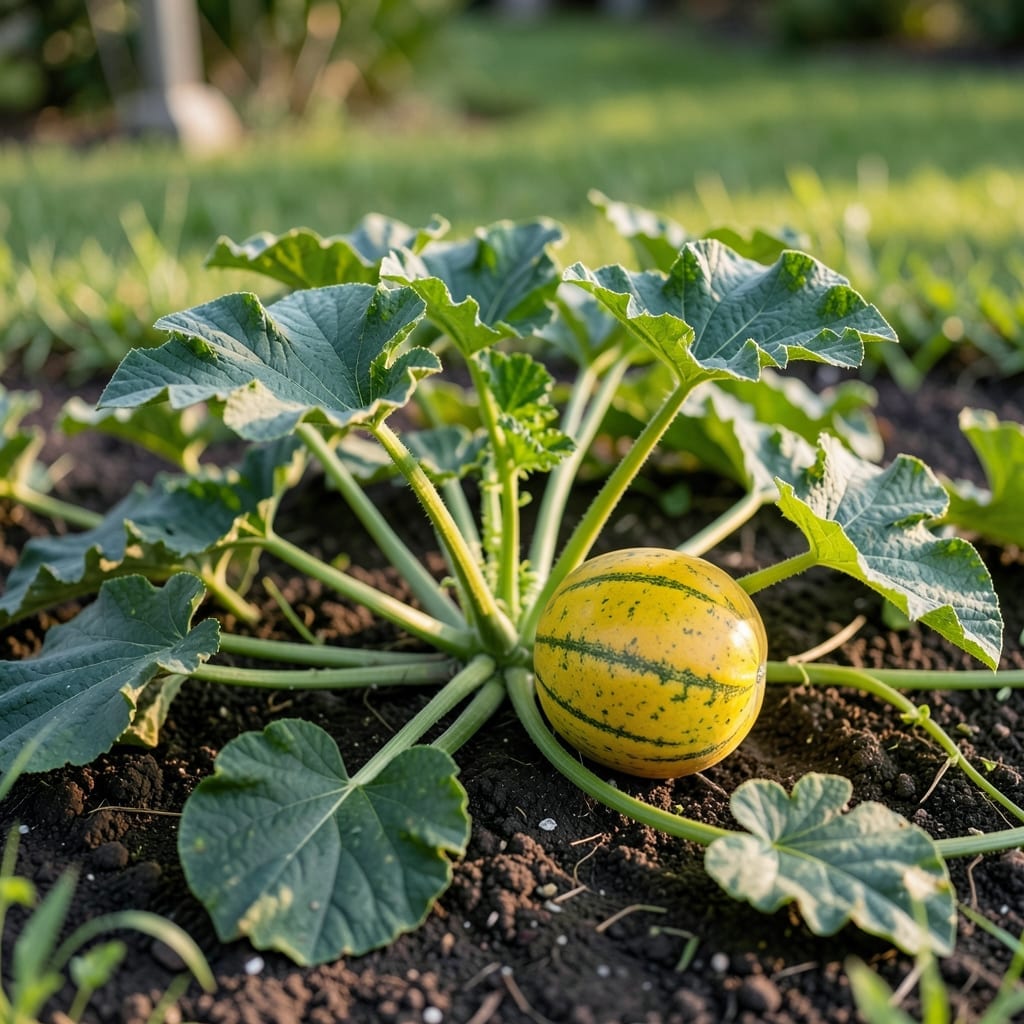
These tiny golden fruits changed how I think about melons. Bite-sized and sweeter than their big cousins, they thrive in small gardens without overwhelming your space.
I got 30+ melons from two plants last summer with minimal effort. They need full sun, consistent water, and room to vine—then they practically grow themselves. Harvest when the curly tendril turns brown for peak flavor.
📚 In This Guide
This foolproof method delivers sweet, bite-sized melons with minimal space and maximum reward.
Choose a location receiving full sun for at least 8-10 hours daily. Petite yellow watermelons thrive in loose, well-draining soil with plenty of organic matter. I work a 2-3 inch layer of compost into the top 6 inches of soil to ensure proper drainage and fertility.
Test soil pH—these melons prefer a slightly acidic range of 6.0-6.8. If yours is off, amend accordingly. The soil should feel like a wrung-out sponge when squeezed: moist but not dripping. This texture prevents rot while retaining enough water for steady growth.
Wait until soil temperature reaches at least 70°F—cold soil will cause seeds to rot. Plant 3-4 seeds per hill, spacing hills 3 feet apart in rows 5 feet apart. Push each seed 1 inch deep into the prepared soil.
Cover lightly and water gently to avoid displacing the seeds. I use a fine mist setting on my hose to prevent washing seeds away. Expect germination in 5-10 days if conditions are ideal. Thin to the strongest 2 seedlings per hill once they develop first true leaves.
Water deeply at the base 1-2 times per week, providing about 1-2 inches of water total. The goal is consistent moisture—dry spells followed by heavy watering cause fruit cracking. Mulch with 2-3 inches of straw to retain moisture and suppress weeds.
These vines spread aggressively, so install a trellis early if space is limited. Train the main vines upward gently, securing them with soft ties. For ground growth, allow 6-8 feet of space per plant. You’ll see tendrils form first, followed by the signature yellow flowers.
Apply a balanced 10-10-10 fertilizer when vines start running, then switch to a low-nitrogen option when flowers appear. Too much nitrogen produces leafy growth at the expense of fruit. Watch for cucumber beetles—they’re the most common pest for melons.
Handpick any beetles you see in the morning when they’re sluggish. For severe infestations, use row covers until plants start flowering. The first fruits appear as small, round swellings at the base of female flowers. They’ll grow rapidly, reaching harvest size in about 75-85 days.
Petite yellow watermelons signal readiness when the curly tendril near the stem turns brown and the underside develops a creamy yellow color. The rind changes from glossy to matte when fully ripe. Gently press the blossom end—it should yield slightly under pressure.
Use pruning shears to cut the stem 1-2 inches from the fruit to avoid damage. These melons don’t ripen further after picking, so harvest only when fully ripe. Store at room temperature for up to 1 week, or refrigerate for 10 days to extend freshness.
A few key insights that’ll help you grow the sweetest, most reliable crop.
Sunlight is Non-Negotiable: In Step 1, those 8-10 hours of full sun daily aren’t just a suggestion—they’re critical. Without enough light, vines grow leggy and fruit production suffers. If your garden has partial shade, prioritize morning sun, which is cooler and less likely to scorch young plants.
Soil Temperature Matters: In Step 2, waiting for soil to hit 70°F prevents rot and ensures faster germination. I’ve ruined seeds by planting too early in cool soil. Use a soil thermometer—it’s the only reliable way to know. Cold frames or black plastic mulch can help warm the soil faster in spring.
Watering Consistency: In Step 3, the 1-2 times per week watering schedule works because it mimics natural rainfall patterns. Fluctuations in moisture—like skipping a week then overwatering—cause fruit to crack. Stick your finger 2 inches into the soil; if it’s dry, it’s time to water deeply at the base.
Pest Prevention Timing: In Step 4, cucumber beetles are most active in the morning, so that’s your best window to handpick them. Row covers work, but remove them as soon as flowers appear to allow pollination. Too much nitrogen early on gives you leaves, not melons, so switch fertilizers as directed.
Look for a creamy yellow spot where it touched the ground, a dull rind, and a deep yellow color. A ripe melon will also sound hollow when tapped.
Yes! Use a large container (at least 5 gallons) with well-draining soil. Provide a trellis for support, as vines can spread up to 4 feet.
Watch for aphids, cucumber beetles, and powdery mildew. Rotate crops, use row covers, and apply organic sprays if needed to keep plants healthy.
Petite yellow watermelons are sweeter and often described as honey-like, with a tender, seedless flesh. Their flavor is more intense due to higher sugar content.
Store uncut melons at room temperature for up to a week. Once cut, refrigerate in an airtight container and consume within 3–4 days for peak freshness.