
Beautiful Plants For Your Interior
Beautiful Plants For Your Interior
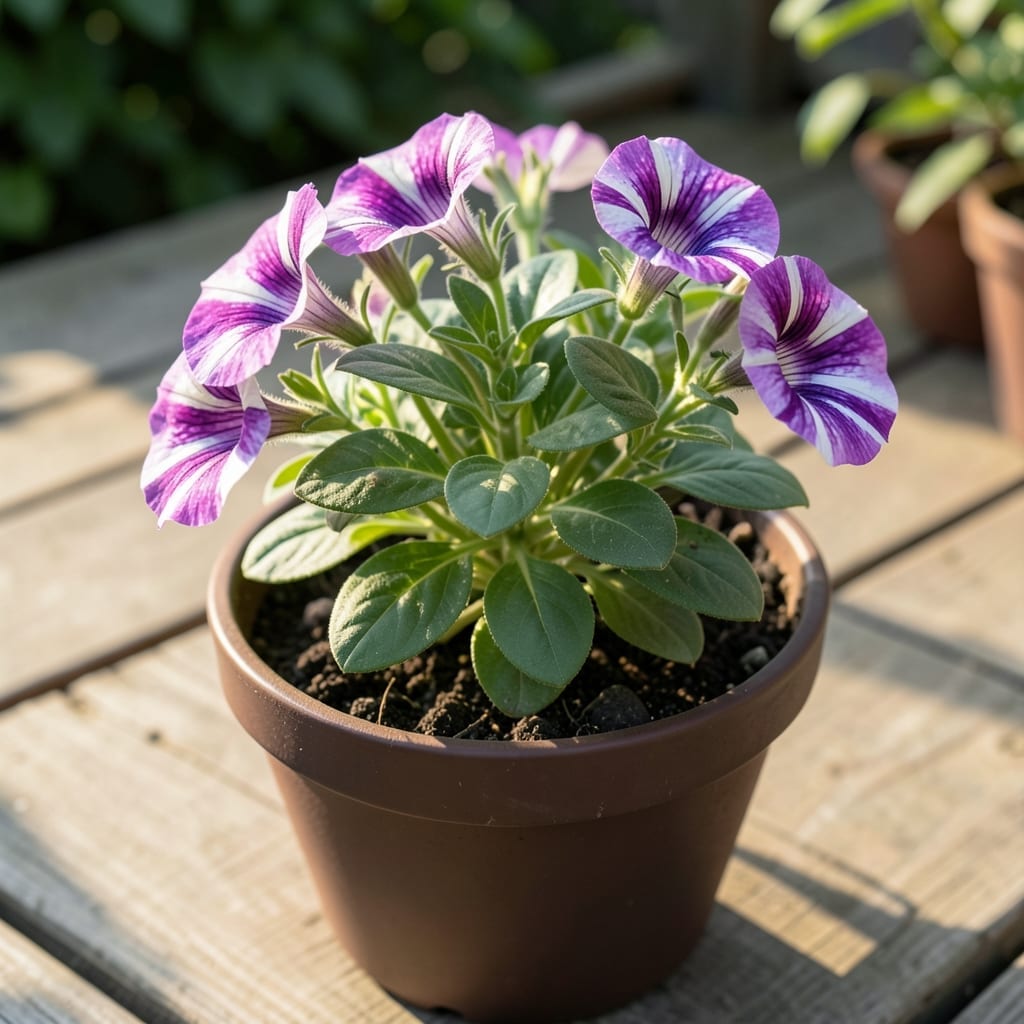
Nothing ruins a vibrant petunia display faster than tiny invaders. I’ve watched aphids turn healthy blooms into curled, sticky messes in 48 hours, and it’s frustrating.
Most pests love petunias because they’re soft, lush, and packed with sap. But here’s the thing—early detection makes all the difference. You spot them before they multiply, you win.
This approach covers organic fixes, chemical options, and prevention tricks that keep plants thriving. No more watching your favorite flowers get wrecked.
Works for hanging baskets, garden beds, or containers. Let’s save those blooms.
Petunias are vibrant and hardy, but they can fall victim to pests when certain conditions align. Understanding the root causes helps you prevent problems before they start.
Planting petunias too closely together creates a humid, stagnant environment—ideal for aphids and whiteflies. These pests thrive in crowded spaces where air doesn’t circulate, leading to rapid infestations. Action: Space plants 12–18 inches apart and prune regularly to improve airflow.
Excess moisture, especially in soil or foliage, attracts slugs, snails, and fungal gnats. Soggy conditions also weaken petunias, making them more susceptible to spider mites. Action: Water at the base in the morning, and ensure pots have drainage holes.
Heatwaves, drought, or sudden temperature drops stress petunias, lowering their natural defenses. Stressed plants emit signals that draw thrips and japanese beetles. Action: Use mulch to retain moisture and provide shade during extreme heat.
Monoculture plantings (only petunias) create a buffet for pests like caterpillars and leafhoppers. Without natural predators or deterring plants nearby, infestations spread unchecked. Action: Interplant with pest-repelling species like marigolds or basil.
Tackling pests on your petunias doesn’t have to be a battle. With the right approach, you can restore your plants to their vibrant, healthy state. Below are targeted solutions for common petunia pests, along with prevention tips to keep them from returning.
These tiny green or black insects cluster on new growth and undersides of leaves, sucking sap and leaving sticky residue. Fix: Spray them off with a strong jet of water from your hose. For stubborn infestations, apply insecticidal soap or neem oil, following label instructions. Repeat every 4-7 days until they’re gone.
Prevention tip: 💡 Encourage natural predators like ladybugs by planting companion flowers such as marigolds or alyssum nearby.
These minuscule pests cause stippling (tiny yellow or white spots) on leaves and fine webbing. Fix: Mist plants regularly to deter them, or use a miticide labeled for edibles. Neem oil also works well if applied thoroughly, especially under leaves.
Prevention tip: 🌡️ Avoid dry, dusty conditions. Keep petunias well-watered and mulch around the base to retain moisture.
These nighttime feeders leave irregular holes and silvery slime trails. Fix: Handpick them at dusk or dawn, or set up beer traps (bury a shallow dish filled with beer at soil level). Copper tape around pots also deters them effectively.
Prevention tip: ✨ Remove hiding spots like debris or boards near your petunias, and water in the morning so soil is drier by night.
Small, white flying insects that flutter up when disturbed, they weaken plants by feeding on sap. Fix: Place yellow sticky traps near petunias to catch adults. For larvae, spray with insecticidal soap or introduce parasitic wasps as a natural control.
Prevention tip: 🎯 Rotate crops yearly and avoid over-fertilizing, which can attract whiteflies.
Consistency is key—check your petunias weekly for early signs of trouble, and act fast to keep pests from spreading. Healthy, thriving plants are your best defense!
Inspect your plants at least once a week during growing season. Focus on leaf undersides and new growth where pests like aphids and spider mites hide. Early detection prevents major outbreaks.
Yes! Plant companion flowers like marigolds or basil nearby to repel pests. Encourage beneficial insects such as ladybugs, which eat aphids and other small pests.
Apply treatments like neem oil or insecticidal soap in the early morning or late evening. This avoids harming beneficial insects active during the day and prevents sunburn on leaves.
Soggy soil attracts slugs, snails, and fungal gnats. Always water at the base in the morning and ensure pots have drainage holes to keep roots healthy.