
Beautiful Plants For Your Interior
Beautiful Plants For Your Interior
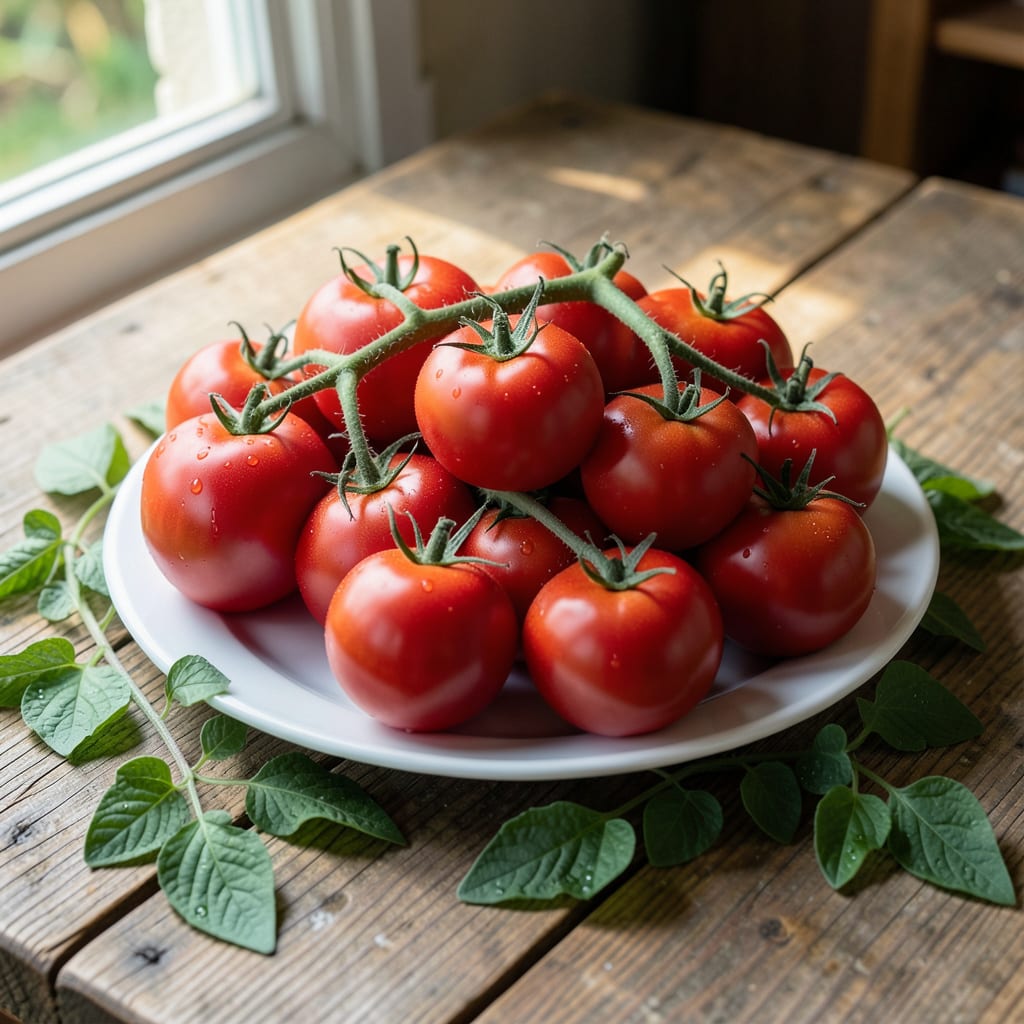
Those tiny black spots on your tomato stems aren’t just ugly—they’re a warning sign. I’ve seen entire plants go from healthy to hopeless in 48 hours when these spots spread unchecked.
Early diagnosis is everything. Most of the time it’s a fungal infection, but pests and even sunburn can cause similar marks. The good news? You can usually stop the damage with the right approach.
We’ll cover how to identify the exact issue, treat it effectively, and prevent it next season. Your tomatoes can still bounce back if you act fast.
Works for container plants, garden beds, and even greenhouse setups. Let’s save that harvest.
Those tiny black spots on your tomato stems are often a sign of underlying issues. Here are the most common causes, explained scientifically and with actionable insights:
Fungi like Alternaria solani (early blight) or Septoria lycopersici thrive in warm, humid conditions. They produce spores that land on stems, germinate, and create dark, sunken lesions. Overhead watering or poor airflow accelerates their spread. Action: Remove infected plant parts immediately and apply copper-based fungicides.
Sap-sucking pests such as aphids or whiteflies leave behind sticky honeydew, which attracts sooty mold—a black fungus that forms tiny spots. Their feeding also weakens stems, making them more susceptible to secondary infections. Action: Introduce beneficial insects like ladybugs or use insecticidal soap to control pests.
Clavibacter michiganensis enters through wounds, causing small, dark lesions that may ooze yellowish fluid. This bacterium spreads via contaminated tools, water, or infected seeds. Action: Sterilize pruning tools with rubbing alcohol and rotate crops to break the disease cycle.
Overwatering, poor drainage, or sudden temperature swings can stress tomato plants, leading to cellular damage that appears as black spots. Action: Ensure consistent moisture levels and mulch to regulate soil temperature.
A lack of calcium or potassium can cause tissue breakdown, resulting in dark, necrotic spots. Action: Test soil and amend with balanced fertilizers or organic matter like compost.
Tackle those tiny black spots on tomato stems with these targeted solutions, organized by cause. Act fast to protect your plants and prevent further damage.
If the spots are caused by fungal diseases like Alternaria or Septoria, start by pruning affected stems with sterilized shears (dip in rubbing alcohol between cuts). Dispose of the debris far from your garden to avoid reinfection. Next, apply a copper-based fungicide or a homemade mix of 1 tsp baking soda + 1 quart water + a drop of dish soap. Spray every 7–10 days, especially after rain. Prevention tip: 💡 Space plants 18–24 inches apart for airflow and water at the base to keep foliage dry.
For spots caused by aphids, spider mites, or whiteflies, blast stems with a strong stream of water to dislodge pests. Follow up with neem oil or insecticidal soap, applying in the early morning or late evening. Repeat every 5–7 days until pests are gone. Prevention tip: 🎯 Introduce beneficial insects like ladybugs or lacewings, and use reflective mulch to deter pests.
If overwatering or poor drainage is the culprit, reduce watering frequency and ensure pots have drainage holes. For garden beds, amend soil with compost to improve drainage. Mulch with straw to retain moisture without waterlogging. Prevention tip: ✨ Water deeply but less often, and use a moisture meter to avoid guesswork.
Yellowing leaves with black spots may signal a calcium or potassium deficiency. Apply a balanced, water-soluble fertilizer (like 10-10-10) or add crushed eggshells for calcium. For organic gardens, work in compost or worm castings. Prevention tip: 🌡️ Test soil every 2–3 years and adjust amendments as needed.
Consistency is key—monitor plants weekly and address issues at the first sign of trouble!
Yes, they often indicate disease or pest damage that can weaken or kill your tomatoes if left untreated. Early action prevents spreading to leaves and fruit.
Only if the fruit itself shows no signs of disease. Wash thoroughly and avoid eating stems. When in doubt, discard affected parts.
Under ideal fungal conditions (warm + wet), spots can multiply across a plant in 24-48 hours. Act at the first sign.
Neem oil helps with fungal issues and pests, but won’t fix bacterial canker or nutrient deficiencies. Always diagnose first.
