
Beautiful Plants For Your Interior
Beautiful Plants For Your Interior
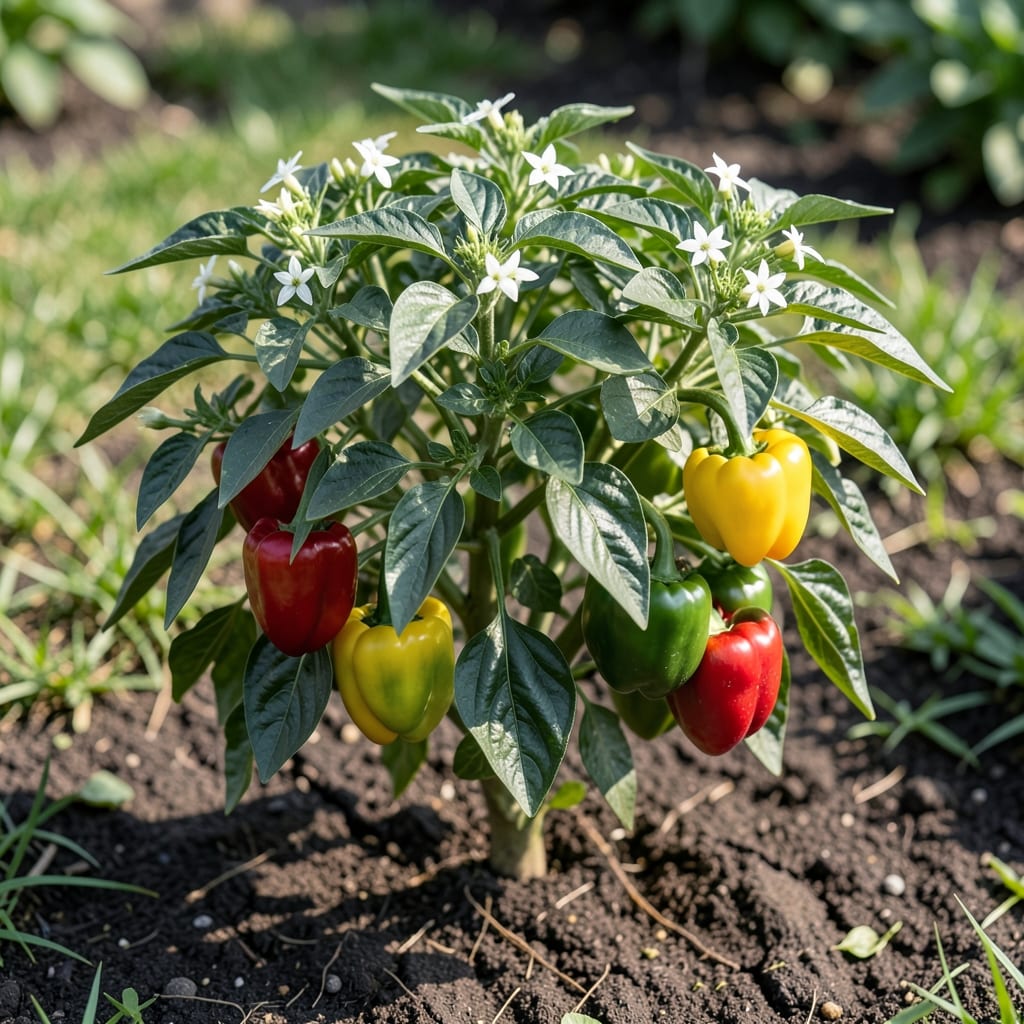
Those first tiny leaves on your pepper seedlings aren’t the ones that matter. True leaves appear after the initial pair, looking more like the mature plant with a slightly rough texture and defined veins.
This stage means your seedlings are ready for stronger light and more consistent watering. The shift from delicate sprouts to healthy plants starts right here, with these leaves fueling real growth.
📚 In This Guide
Small details make the difference between confusing cotyledons and spotting true leaves like a pro.
The Time Factor: Remember that cotyledons appear within 7-14 days after germination. This short window is your first clue—they’ll look rounded and thick, completely unlike the pointed true leaves that follow. Don’t rush this stage; the seedling needs this time to establish its first food source.
Lighting Insight: Once true leaves emerge, the 12-14 hours of bright, indirect light daily isn’t just a suggestion—it’s critical. I learned this the hard way when my first batch of seedlings grew leggy from insufficient light. If you notice stretching, move your setup closer to the light source immediately.
What to Watch For: True leaves will show up 2-4 weeks after germination, but only if conditions are right. If your seedlings aren’t hitting this timeline, check your light exposure and temperature. Consistent warmth (around 70-80°F) speeds up this process beautifully.
Maturity Check: By 6-8 weeks, you should see those 3-4 sets of true leaves signaling transplant readiness. Before that, resist the urge to fertilize heavily—light applications every 2 weeks are all these young plants need to avoid overwhelming their delicate systems.
True leaves appear after the seed leaves (cotyledons) and look like miniature versions of mature pepper leaves—typically serrated or slightly pointed. They emerge in pairs and are darker green.
True leaves usually develop 2–4 weeks after germination, depending on light, temperature, and variety. Ensure consistent warmth (70–80°F) and bright light to speed up growth.
This is normal early on! Cotyledons provide initial nutrients, but true leaves follow as the plant matures. If stunted, check for adequate light, water, and fertilizer.
It’s risky. True leaves indicate a stronger root system. Wait until at least 2–4 true leaves form (usually 4–6 weeks old) for safer transplanting.
Yellowing may signal overwatering, nutrient deficiency, or pests. Curling often points to stress from uneven watering or temperature swings. Adjust care and inspect for pests like aphids.