
Beautiful Plants For Your Interior
Beautiful Plants For Your Interior
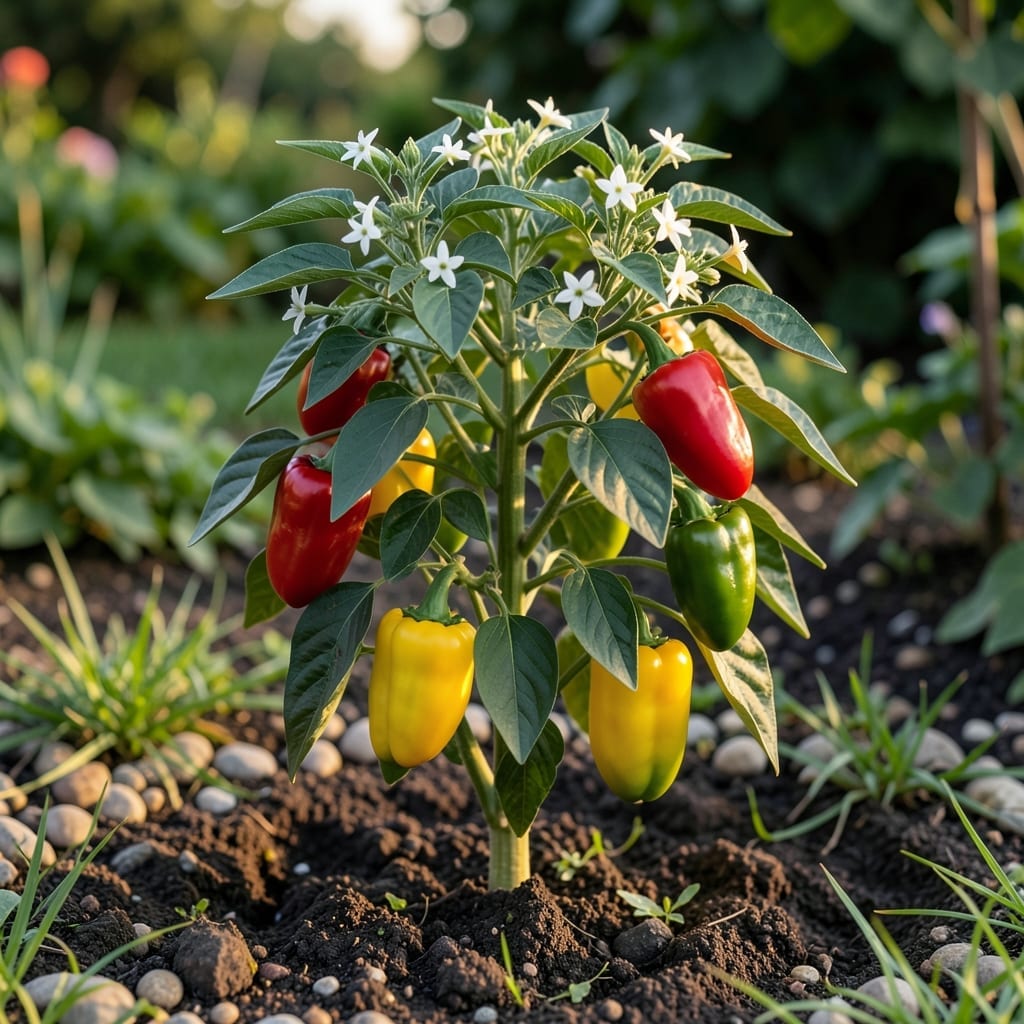
First time I saw my pepper leaves drooping like sad little umbrellas, I panicked. Turns out, it’s usually fixable within 24-48 hours once you spot the real culprit.
Most cases come down to 3 main stressors: underwatering, overwatering, or temperature swings. The leaves curl down to conserve moisture or protect themselves—nature’s way of hitting the brakes.
I’ve rescued dozens of peppers by checking soil moisture first, then adjusting light and airflow. The fix is often simpler than you’d think, and the plants bounce back fast.
Works for all pepper varieties, from bell to jalapeño. Here’s how to diagnose and treat it properly.
Pepper plant leaves curling downward often signal underlying stress. Here are the most common causes, explained scientifically for quick diagnosis and action.
Pepper plants thrive in warm conditions, but temperatures above 90°F (32°C) can trigger leaf curl as a protective response. Excessive heat accelerates transpiration, causing water loss faster than roots can absorb it. Leaves curl to reduce surface area and minimize moisture loss. Prolonged exposure to intense afternoon sun can also cause sunburn, leading to bleached or crispy edges alongside curling.
Underwatering causes leaves to curl downward as the plant conserves water. Soil that’s bone-dry or pulling away from the pot edges is a red flag. Conversely, overwatering suffocates roots, preventing oxygen uptake and nutrient transport. This leads to edema—swollen, curled leaves—due to ruptured plant cells from excess internal pressure.
Curling can indicate a lack of key nutrients. Magnesium deficiency (common in sandy or acidic soils) causes interveinal chlorosis (yellowing between veins) and downward leaf curl. Calcium deficiency (often in waterlogged or cold soils) leads to distorted new growth and curled tips. A potassium shortage may also trigger curling, with leaves appearing scorched at the edges.
Sap-sucking pests like aphids, spider mites, or whiteflies drain plant fluids, causing leaves to curl as a stress response. Aphids excrete honeydew, leading to sooty mold growth, while spider mites create fine webbing. Check the undersides of leaves for tiny pests or stippling (tiny yellow or white specks).
Sudden changes—like transplant shock, cold drafts, or wind exposure—can cause temporary curling. Pepper plants are sensitive to temperature swings below 55°F (13°C) or abrupt relocations (e.g., moving from indoors to full sun). Windy conditions may also physically stress leaves, prompting them to curl for protection.
Don’t panic if your pepper plant’s leaves are drooping—these fixes can nurse it back to health fast. Below are the most common causes and their straightforward solutions, plus tips to keep your plant thriving.
If leaves curl downward to conserve moisture, move your plant to a shadier spot, especially during peak afternoon heat. Use shade cloth if needed. Prevention: Water deeply in the morning and mulch the soil to retain moisture.
Check the soil: if it’s bone-dry, water thoroughly until it drains from the bottom. If soggy, let it dry out before watering again. Ensure pots have drainage holes. Prevention: Stick your finger an inch into the soil—water only when the top feels dry.
Inspect the undersides of leaves for aphids or spider mites. Spray them off with water or apply neem oil. Prevention: Regularly mist leaves and keep the growing area clean to deter pests.
Pepper plants love humidity. Group plants together or use a humidity tray filled with water and pebbles. Prevention: Aim for 40–60% humidity—use a hygrometer to monitor levels indoors.
Yellowing or curling leaves may signal a deficiency. Use a balanced fertilizer or add compost for organic nutrients. Prevention: Feed every 2–3 weeks during the growing season, but avoid over-fertilizing.
With a little attention, your pepper plant can bounce back quickly. Keep an eye on its environment and adjust as needed!
Check the soil 2 inches down. Dry soil means underwatering, while soggy soil or a foul smell indicates overwatering. Underwatered leaves feel crispy, overwatered leaves feel soft and swollen.
Yes, over-fertilizing can burn roots, leading to leaf curl. Always follow package instructions and fertilize every 2-3 weeks during growing season. Flush soil with water if you suspect fertilizer burn.
Mild cases often recover within 24-48 hours after fixing the issue. Severely damaged leaves may not fully straighten, but new growth will be healthy. Be patient and consistent with care.