
Beautiful Plants For Your Interior
Beautiful Plants For Your Interior
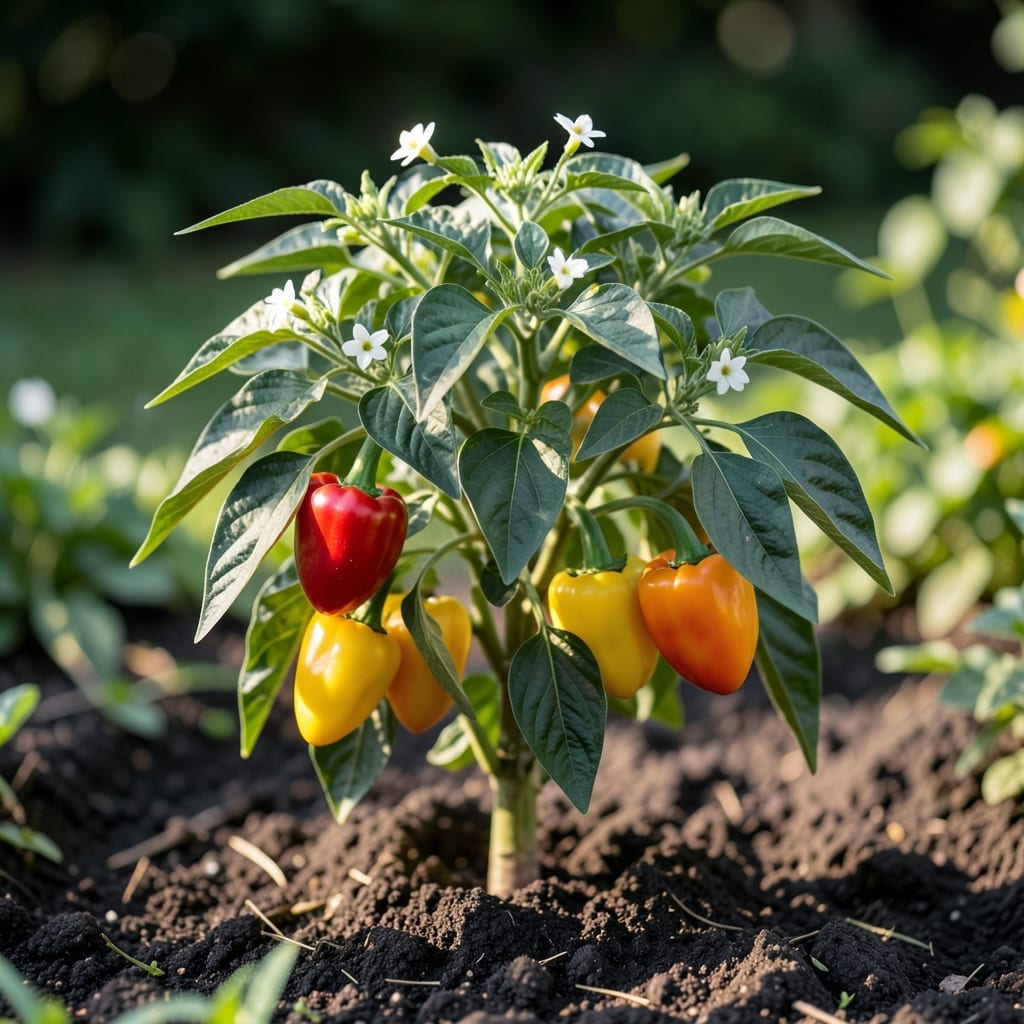
Ever stared at a pepper plant and wondered what you’re actually growing? I’ve been there—standing in my garden, squinting at leaves, trying to tell a jalapeño from a serrano.
Turns out, the differences are in the details: leaf shape, growth habit, and of course, the peppers themselves. Some plants stay compact while others sprawl 3 feet wide. The fruit tells the real story—long and slender, short and squat, or even wrinkled.
Once you know what you’re dealing with, care becomes simple. Sweet peppers need more warmth, hot varieties often thrive on neglect. The right ID means you’ll give each plant exactly what it craves.
From bell peppers to habaneros, this guide helps you spot the clues. No more mystery plants in your garden.
Misidentifying pepper plants often stems from subtle but critical differences that escape the untrained eye. Below are the most common causes, explained with actionable insights to sharpen your identification skills.
Capsicum species exhibit vast genetic diversity, even within the same variety. For example, bell peppers (C. annuum) can produce fruits in green, red, yellow, or purple—all from the same plant as they mature. This color-shifting trait, driven by chlorophyll breakdown and carotenoid synthesis, can mislead growers into thinking they’re dealing with distinct species. Always check leaf shape, plant height, and growth habit for consistency.
Pepper plants respond dramatically to environmental conditions. Nutrient deficiencies (e.g., nitrogen for stunted growth, magnesium for yellowing leaves) or water stress can distort typical traits like leaf size or fruit shape. For instance, blossom-end rot in jalapeños (caused by calcium imbalance) might be mistaken for a disease or a different cultivar. Use soil tests and monitor watering to rule out stress-induced changes.
Pepper plants readily cross-pollinate, especially in home gardens with multiple varieties. A sweet banana pepper cross-pollinated with a hot cayenne may produce offspring with intermediate traits, blurring identification lines. To avoid this, isolate varieties by 50+ feet or use physical barriers. Heirloom seeds are less prone to this but still require vigilance.
Many online “pepper plant identifier” tools rely on user-submitted photos, which often lack critical details like stem texture, node spacing, or flower structure. A side-view shot of a habanero might resemble a scotch bonnet if the calyx (the leafy part beneath the fruit) isn’t visible. Always compare multiple angles and include close-ups of leaves and flowers for accurate matches.
Identifying problems with your pepper plants is the first step—now let’s tackle the fixes. Below are practical solutions for common issues, along with prevention tips to keep your plants thriving. 🌱
Yellow leaves often signal a nitrogen deficiency. Fix it: Apply a balanced fertilizer (10-10-10) or a nitrogen-rich organic option like compost tea. Water deeply afterward to help absorption.
Prevention: Test soil annually and fertilize every 4-6 weeks during growing season. 💡
Under or overwatering can cause wilting. Fix it: Stick your finger 2 inches into the soil—if dry, water thoroughly; if soggy, let it dry out and improve drainage with perlite or sand.
Prevention: Use a moisture meter and water only when the top inch of soil is dry. ⏰
Aphids, spider mites, or whiteflies? Fix it: Spray plants with a mix of water and mild soap (1 tsp per quart) or introduce beneficial insects like ladybugs. For severe cases, use neem oil.
Prevention: Inspect plants weekly and keep the garden free of debris where pests breed. ✨
High heat, cold snaps, or inconsistent watering can cause flowers to fall off. Fix it: Provide shade cloth during heatwaves, use mulch to regulate soil temperature, and maintain even moisture.
Prevention: Plant in a stable microclimate and avoid transplanting during extreme weather. 🎯
If peppers aren’t forming, poor pollination might be the culprit. Fix it: Gently shake plants to distribute pollen or use a small brush to transfer it between flowers. Avoid pesticides that harm pollinators.
Prevention: Plant pollinator-friendly flowers nearby and ensure good air circulation. 🌼
Focus on fruit shape and size first. Bell peppers are blocky, while jalapeños are elongated and tapered. Leaf shape and plant height also offer clues—habaneros have small, pointed leaves.
Not always, but it helps. Sweet peppers often have broader leaves, while hot varieties like cayenne are narrower. Combine leaf shape with growth habit and stem color for better accuracy.
Many varieties start green and ripen to red, yellow, or orange. This is due to chlorophyll breakdown and pigment development. Always check the mature color for proper identification.
Cross-pollination may have occurred. Isolate varieties by 50 feet or use barriers to prevent this. Heirloom seeds reduce this risk but aren’t foolproof.