
Beautiful Plants For Your Interior
Beautiful Plants For Your Interior
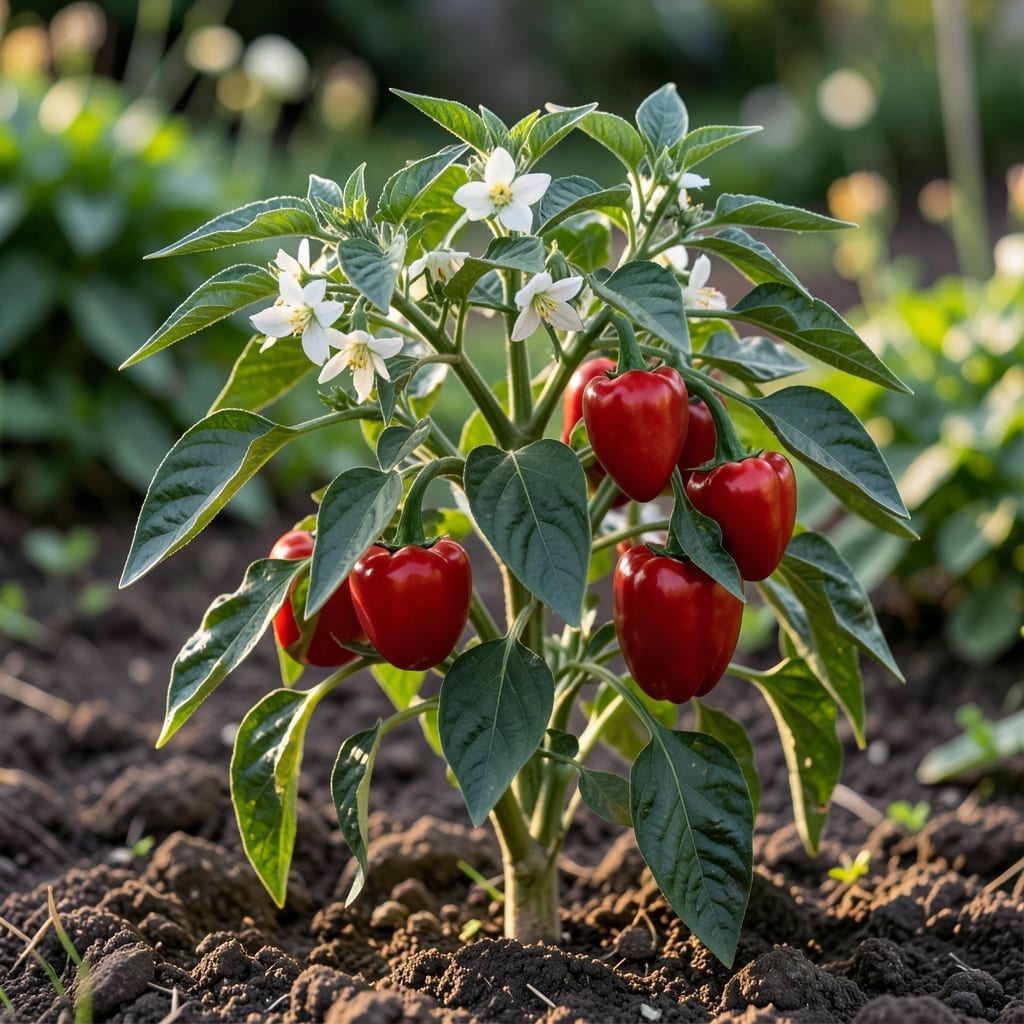
Understanding how tall your 🌶️ Red Pepper plants will grow is the key to successful garden planning. Whether you’re working with limited space or aiming for maximum yield, knowing their mature height helps you make smart decisions.
From compact bushes to towering plants, Red Peppers vary more than you might expect. Their final size depends on the variety you choose and how you care for them throughout the growing season.
I’ll walk you through what to expect at each growth stage and share practical tips to control or maximize your Red Pepper plant height for the best results.

Red pepper plants show remarkable height diversity depending on the variety. Compact bell peppers often stay under 2 feet tall, while some cayenne or jalapeño plants can reach 3-4 feet in ideal conditions.
Understanding these differences helps me plan my garden layout effectively. Dwarf varieties work well in containers, while taller types need sturdy staking to support their growth.
| Variety | Seedling Height | Mature Height |
|---|---|---|
| Bell Pepper | 6-8 inches | 1.5-2 feet |
| Jalapeño | 8-10 inches | 2-3 feet |
| Cayenne | 10-12 inches | 3-4 feet |
| Cherry Pepper | 6-8 inches | 2-2.5 feet |
At the seedling stage, most red peppers are 6-12 inches tall. This is when I focus on strong root development to support future growth.
During the vegetative stage, plants typically grow 1-2 inches per week under optimal conditions. I’ve noticed that consistent watering and balanced fertilizer make a big difference here.
Once flowering begins, growth slows as energy shifts to fruit production. This is when I switch to low-nitrogen fertilizer to encourage more peppers rather than leafy growth.
The final mature height depends on both genetics and environment. In my experience, full sun and well-draining soil help plants reach their maximum potential height.
For container growing, I recommend choosing dwarf varieties or using larger pots (at least 5 gallons) for taller plants. This prevents root binding that can stunt growth.
In open soil, I space plants 18-24 inches apart to allow for good air circulation. Taller varieties might need 3 feet between plants to accommodate their full height.
Remember that pruning techniques can help control height. I often pinch back top growth to encourage bushier plants, especially in windy locations where tall plants might topple.
🌱
Managing your red pepper plant height is all about balance. Whether you want bushier plants or taller growth, the right techniques make all the difference in your garden layout.
I’ve found that pruning early and proper spacing help control height effectively. Taller varieties often need extra support to prevent them from toppling over in windy conditions.
For container growing, I always match the pot size to the variety. Dwarf peppers do well in 3-gallon pots, while taller types need at least 5 gallons of space.
In open soil, I stake plants that exceed 2.5 feet to keep them upright. Bamboo stakes or tomato cages work well for this purpose, especially in exposed areas.
If you want to maximize height, ensure plants get full sun and consistent moisture. I’ve seen cayenne peppers reach 4 feet under ideal conditions with proper care.
Conversely, to limit height, I reduce nitrogen fertilizer and pinch back new growth. This keeps plants more compact while still producing a good yield.
🌿