
Beautiful Plants For Your Interior
Beautiful Plants For Your Interior
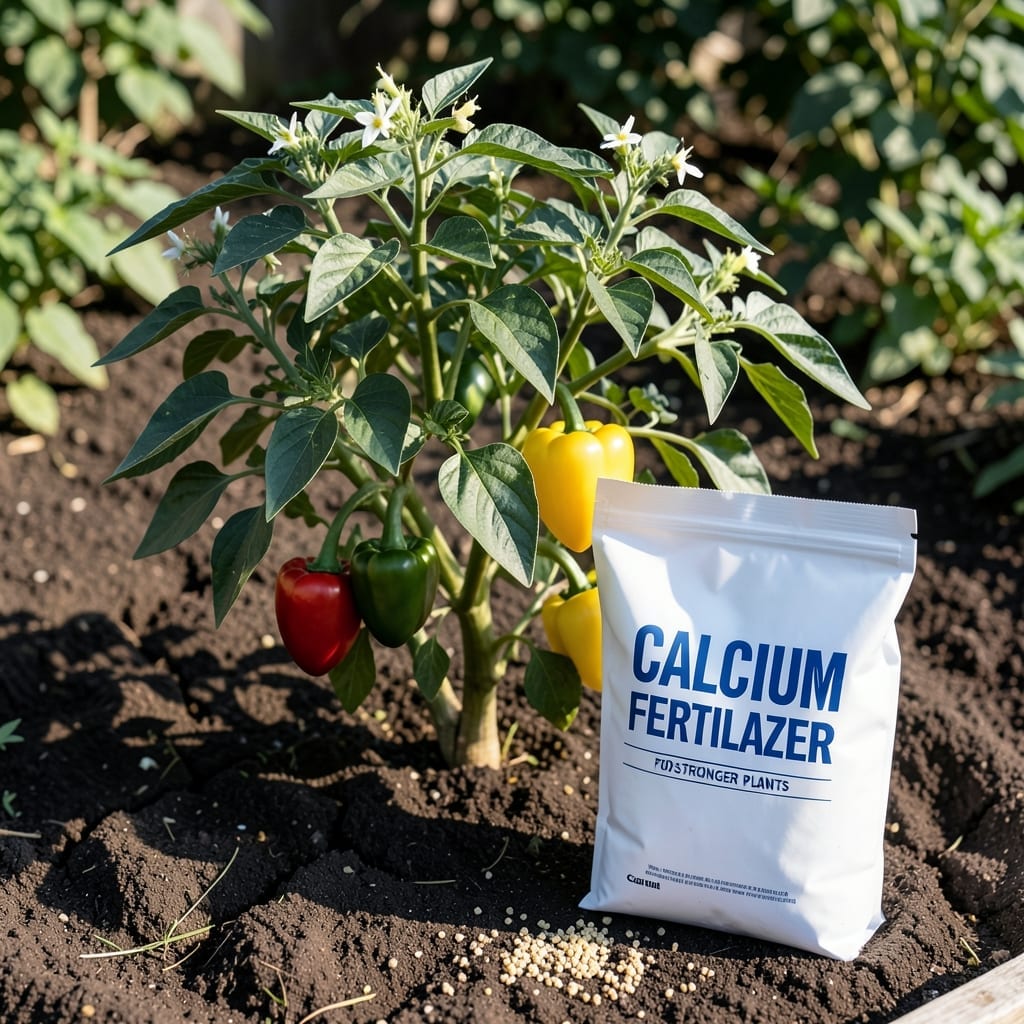
Nothing ruins a pepper harvest faster than blossom end rot. This silent nutrient deficiency can turn your healthy 🌶️ Bell Peppers into blackened, inedible messes overnight.
Calcium is the key to strong cell walls in your plants. Without it, you’ll see those frustrating dark spots forming on the bottom of your peppers.
I’ve seen this problem frustrate even experienced gardeners. The good news? There are simple, fast solutions to prevent and treat this issue.
Let me show you exactly how to identify the symptoms early and restore your Bell Peppers to perfect health with proven calcium treatments.
I’ve seen too many gardeners lose their bell pepper harvest to blossom end rot, a frustrating condition that starts as a small water-soaked spot on the fruit’s bottom. This isn’t a disease but a calcium deficiency in the developing pepper.
Calcium is the building block for cell walls in plants. Without it, the cell structure weakens, leading to tissue breakdown—especially in fast-growing fruits like bell peppers. The rot spreads quickly, turning the fruit leathery and black. 🌱
🌱 Why Bell Peppers?
Bell peppers are heavy feeders with rapid fruit development. Their high water content makes them especially prone to calcium shortages during hot, dry spells or inconsistent watering.
The first sign is often a sunken, dark spot on the blossom end of the pepper. Unlike some plant issues, this isn’t reversible—but you can prevent it in future fruits by addressing the calcium supply immediately.
Soil pH imbalance can lock up calcium, making it unavailable to roots even if it’s present. Bell peppers thrive in soil with a pH of 6.0-6.8. If your soil is too acidic or alkaline, a soil test will confirm the issue.
Uneven watering habits also disrupt calcium uptake. When soil dries out, calcium can’t move into the plant. Then, when you water heavily, the sudden influx causes cellular damage in the fruit. Consistency is key. 💧
Young fruits and those growing rapidly are most vulnerable. The first peppers of the season often show symptoms because the plant is still establishing its root system. Later fruits may fare better as the roots expand.
While blossom end rot is the most obvious sign, other calcium deficiency symptoms include stunted growth, weak stems, and distorted new leaves. These are less common in peppers but still worth watching for.
Prevention starts with soil preparation. I always amend my beds with compost or aged manure before planting. These organic materials improve soil structure and provide a steady calcium supply as they break down.
If you spot blossom end rot mid-season, don’t panic. Remove the affected fruits to redirect the plant’s energy. Then, focus on correcting the calcium issue to save the rest of your harvest. The next fruits will benefit from your quick action. 🌿
When your bell peppers show signs of calcium deficiency, you need to act fast. I’ve tested multiple solutions, and the best results come from targeted calcium sources that deliver this nutrient where it’s needed most.
Crushed eggshells are a popular organic option, but they’re slow-release. For immediate needs, I recommend calcium nitrate or gypsum for faster absorption. Each has its place in your pepper care routine. 🌱
| Calcium Source | Type | Speed | Best Use |
|---|---|---|---|
| Crushed Eggshells | Organic | Slow | Soil prep |
| Gypsum | Mineral | Medium | Mid-season |
| Calcium Nitrate | Chemical | Fast | Emergency fix |
| Bone Meal | Organic | Slow | Planting time |
| Lime | Mineral | Slow | pH adjustment |
For immediate results, I use calcium nitrate as a foliar spray. Mix 1 tablespoon in a gallon of water and spray directly on leaves. This bypasses the soil and gets calcium to the plant within hours.
Gypsum is my go-to for soil application. It adds calcium and sulfur without altering soil pH. Work it into the top 6 inches of soil around your bell pepper plants for best results.
Eggshells are great for long-term prevention. I crush them finely and mix into the planting hole or scatter around the base. They break down over several months, providing a steady calcium supply. 🌿
Remember, more isn’t better. Overdoing calcium can lead to nutrient imbalances. Always follow package instructions and test your soil if you’re unsure. Your bell peppers will thank you with healthy, rot-free fruits. 💧