
Beautiful Plants For Your Interior
Beautiful Plants For Your Interior
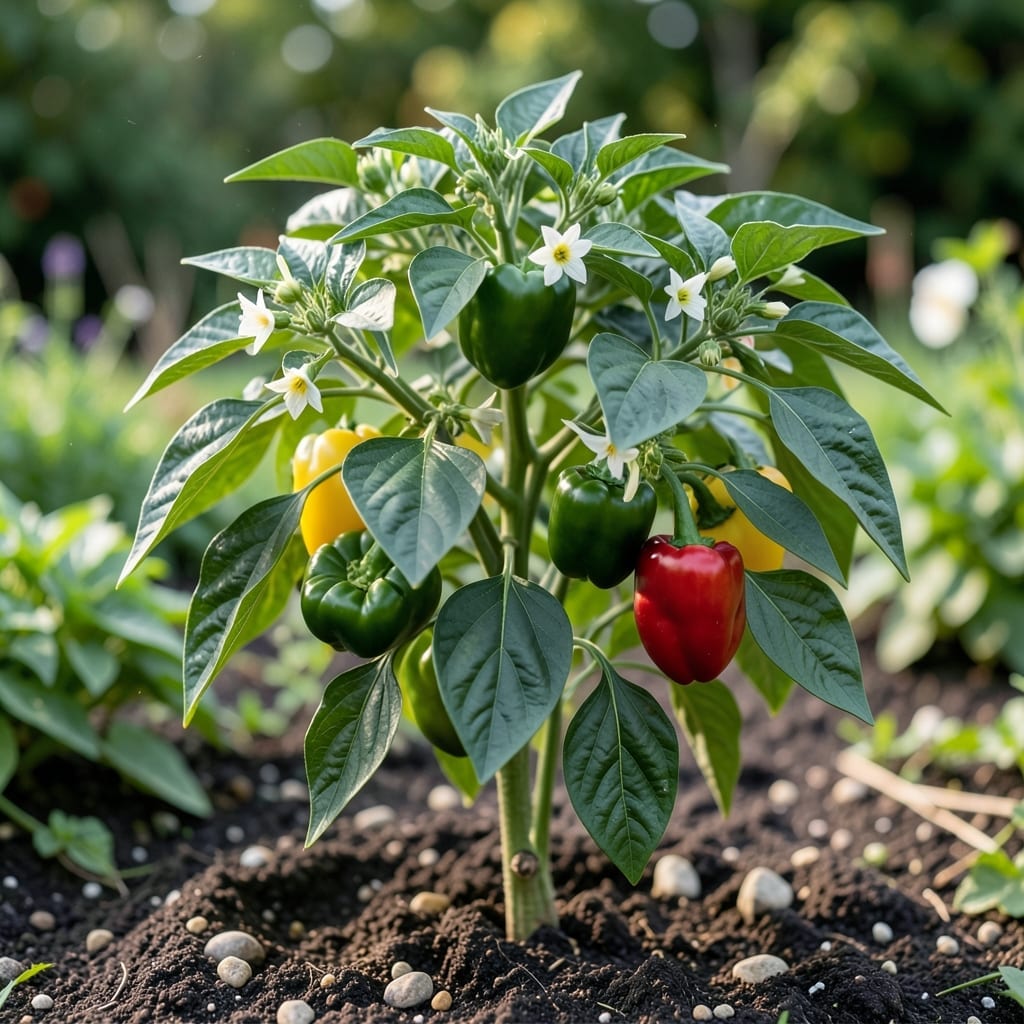
Nothing stings like walking into your garden and spotting drooping pepper leaves. I’ve been there—one morning they’re fine, the next they’re sagging like they’ve given up hope.
Wilting usually signals stress, and the culprits range from underwatering to unseen pests. The good news? Most causes are fixable with a quick diagnosis and the right tweaks to your care routine.
You’ll learn to spot the early warning signs—yellowing edges, curling, or sudden collapse—and match them to the right natural solutions before the plant suffers lasting damage.
Works for bell peppers, jalapeños, or any variety in your garden. Here’s how to get them standing tall again.
Pepper leaves wilt due to a mix of environmental, biological, and cultural stressors. Below are the most common causes, explained with actionable insights.
Peppers need consistent moisture—too little leads to dehydration, while too much suffocates roots. Underwatering causes leaves to curl and crisp, while overwatering turns them yellow and limp. Check soil moisture 1–2 inches deep; water when dry (but not bone-dry) and ensure well-draining soil.
Peppers thrive in 70–85°F (21–29°C). Exposure to 90°F+ (32°C+) triggers wilting as the plant conserves water. Sudden temperature drops (below 55°F/13°C) can also shock the plant. Use shade cloth for heatwaves and row covers for cold snaps.
Pathogens like Phytophthora (root rot) or Bacterial Wilt (Ralstonia solanacearum) block water uptake. Look for dark stem streaks or slimy roots. Remove infected plants, rotate crops, and use copper fungicides preventatively.
Aphids, spider mites, and whiteflies suck sap, weakening the plant. Check leaf undersides for sticky residue (honeydew) or webbing. Blast pests off with water or apply neem oil weekly.
Lack of calcium (blossom-end rot) or magnesium (interveinal yellowing) disrupts cell structure, causing wilting. Test soil and amend with compost or Epsom salt (for magnesium).
Don’t panic—your pepper plants can bounce back! Below are targeted fixes for the most common causes of wilting, paired with prevention tips to keep your garden thriving.
If the soil feels dry 1–2 inches down, your peppers are thirsty. Water deeply at the base (not the leaves) until the top 6 inches of soil are moist. Do this early in the morning to reduce evaporation. Prevention tip: 💡 Mulch with straw to retain moisture and keep roots cool.
Soggy soil suffocates roots. Stop watering immediately and let the soil dry slightly. If the pot lacks drainage holes, repot into a container with holes. For garden beds, mix in perlite or sand to loosen compacted soil. Prevention tip: ✨ Use a moisture meter to avoid guesswork—water only when the top inch is dry.
Check leaf undersides for aphids, spider mites, or whiteflies. Blast them off with a strong water spray, or apply neem oil (mix 1 tbsp oil + 1 tsp dish soap per gallon of water). Repeat every 3–5 days until gone. Prevention tip: 🎯 Introduce ladybugs or lacewings as natural predators.
For fungal/bacterial issues (e.g., wilt or blight), remove affected leaves with sterilized scissors and discard them (not compost). Spray remaining foliage with a copper fungicide or a baking soda solution (1 tsp baking soda + 1 quart water + a drop of soap). Prevention tip: 🌡️ Space plants 18–24 inches apart for airflow and avoid overhead watering.
Peppers wilt in extreme heat (above 90°F). Provide afternoon shade with a cloth or move potted plants temporarily. Increase watering frequency but keep soil moist, not waterlogged. Prevention tip: ⏰ Water in the early morning to help plants cope with midday heat.
Check the soil 1-2 inches deep. Dry soil means underwatering, while soggy or smelly soil signals overwatering. Underwatered leaves curl and crisp, overwatered ones turn yellow and limp.
If caused by heat stress, leaves often perk up after temperatures drop. For watering issues, recovery takes 24-48 hours with proper care. Diseased or pest-damaged leaves may not fully recover.
Unfortunately, bacterial wilt is often fatal. Remove infected plants immediately to protect others. Prevent future outbreaks by rotating crops and using disease-resistant varieties.
For heat stress, move to shade and water deeply. For underwatering, soak the soil until moist 6 inches down. For pests, blast with water or apply neem oil. Most plants show improvement within 12-24 hours.