
Beautiful Plants For Your Interior
Beautiful Plants For Your Interior
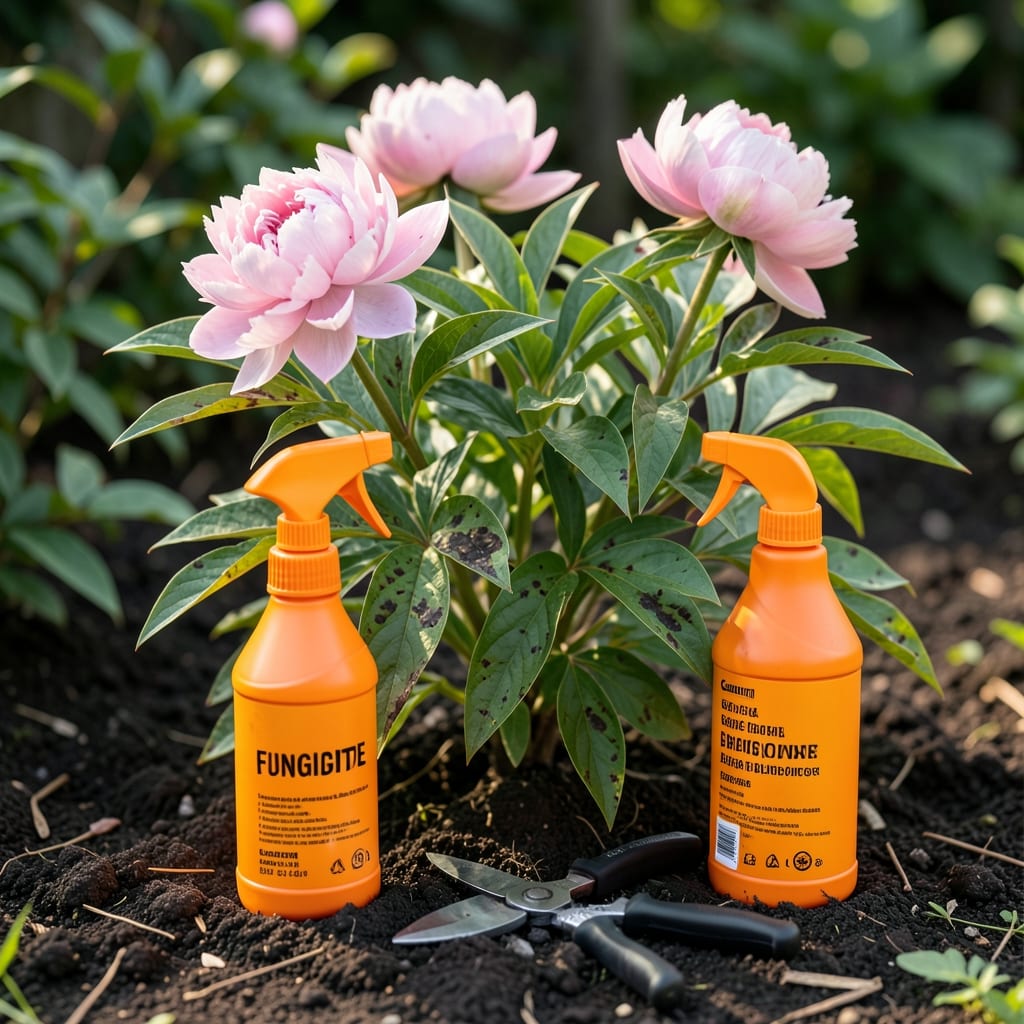
Spotted black splotches on your peony leaves? That’s blight, and it spreads fast if ignored.
I lost half my plants the first year I encountered this. Turns out, early action with the right natural spray stops it dead in its tracks. The key is catching it before it reaches the stems.
Within 7-10 days of treatment, you’ll see new growth emerging clean and healthy. The plants bounce back stronger, and you prevent next year’s outbreak with simple habit changes.
Works for all peony varieties, from herbaceous to tree types. Here’s how to save your blooms.
Peony blight, caused primarily by the fungal pathogen Botrytis paeoniae, thrives under specific environmental and cultural conditions. Understanding these triggers helps prevent outbreaks and target treatments effectively. Below are the most common causes, explained with actionable insights.
Fungal spores germinate and spread rapidly in wet, humid conditions. Overhead watering, prolonged rainfall, or poorly drained soil creates an ideal breeding ground. Peonies in dense plantings or shaded areas with limited airflow are especially vulnerable, as moisture lingers on leaves and stems.
The fungus overwinters in decaying leaves, stems, and fallen petals left on the soil surface. If not removed, these residues release spores in spring, reinfecting new growth. Even compost piles containing blighted material can harbor the pathogen if not heated properly.
Cool, wet springs (50–60°F) followed by sudden warmth accelerate spore production. Peonies stressed by late frosts or erratic weather are more susceptible, as damaged tissues provide easy entry points for the fungus.
Peonies planted too closely compete for airflow and sunlight, creating a microclimate that favors blight. Additionally, nutrient-deficient or root-bound plants lack vigor to resist infection. Over-fertilization (especially with high-nitrogen formulas) can also promote lush, soft growth that’s more prone to fungal attacks.
Pruning shears, gloves, or even garden hands can spread Botrytis spores from infected plants to healthy ones. Failing to sterilize tools between cuts or after handling blighted material is a common but preventable cause of outbreaks.
Peony blight can be stubborn, but these targeted solutions will help you stop the spread and restore plant health. Act fast for the best results!
Snip off all diseased stems, leaves, and flowers with sterilized pruners (dip in rubbing alcohol between cuts). Do not compost—dispose of debris in sealed bags to prevent reinfection. Cut back to healthy tissue, and disinfect tools afterward.
Prevention tip: 💡 Space plants 3–4 feet apart for better airflow, reducing humidity that fungi love.
If your peonies sit in soggy soil or crowded beds, amend the soil with compost or sand to boost drainage. Water at the base (not overhead) in the morning so foliage dries quickly. Mulch with straw or bark to prevent soil splashing onto leaves.
Prevention tip: 🎯 Use drip irrigation to keep leaves dry and reduce fungal spores’ ability to spread.
For active infections, spray neem oil or copper fungicide (follow label rates) every 7–10 days until symptoms disappear. Baking soda spray (1 tbsp baking soda + 1 tsp dish soap + 1 gallon water) can also help as a mild preventative.
Prevention tip: ✨ Rotate treatments to avoid resistance, and reapply after rain.
Stressed peonies are more susceptible. Fertilize lightly in early spring with a balanced 10-10-10 formula, and avoid high-nitrogen feeds (they promote leafy growth, which traps moisture). Ensure plants get full sun (6+ hours) to strengthen them.
Prevention tip: 🌡️ Clean up fallen debris in autumn to remove overwintering spores.
Apply neem oil or copper fungicide every 7-10 days until symptoms vanish. Always reapply after rain, as water can wash away protection.
No, never compost blighted material. Seal it in a bag and discard with household trash to prevent spores from spreading back to your garden.
Yes, Botrytis can infect nearby plants. Sterilize tools between cuts and maintain 3-4 feet spacing to limit contamination.
Water at the base in the morning to allow foliage to dry quickly. Avoid overhead watering, which creates damp conditions that encourage fungal growth.