
Beautiful Plants For Your Interior
Beautiful Plants For Your Interior
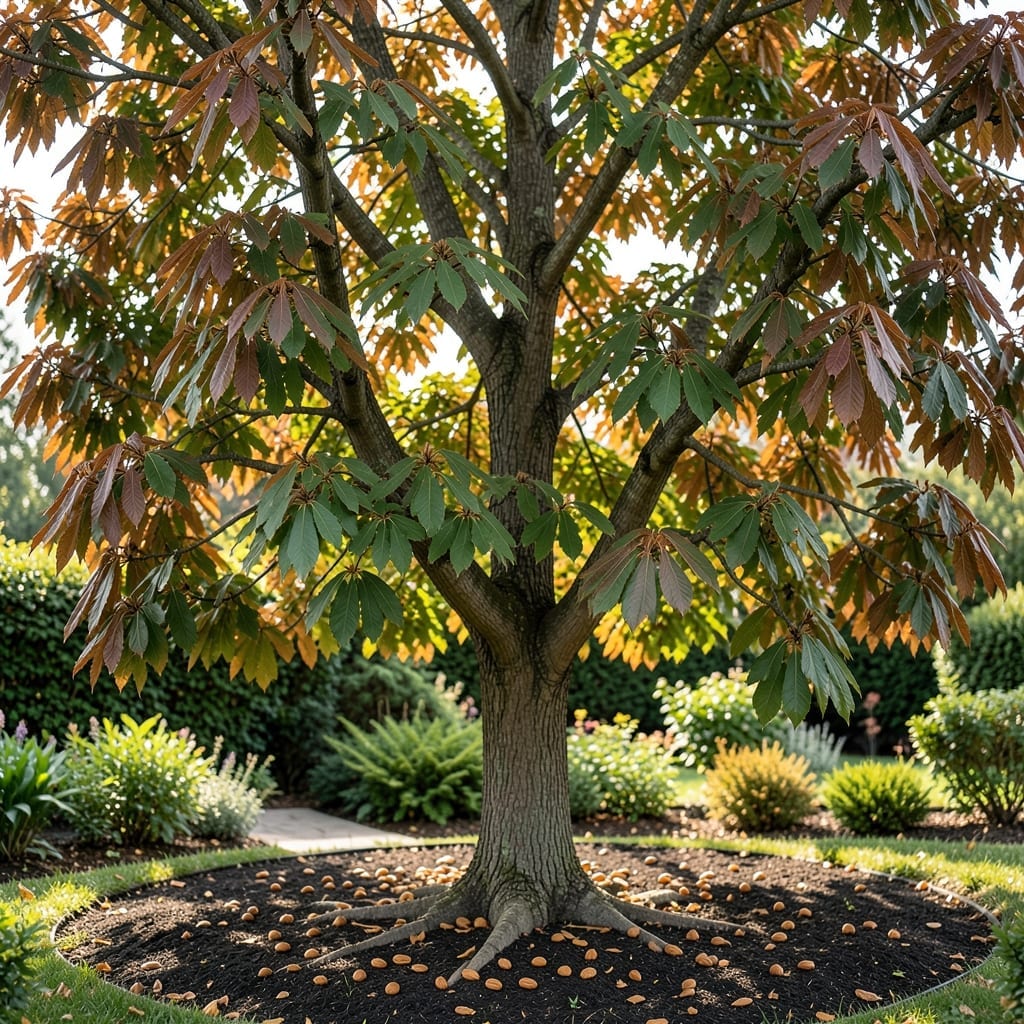
Brown pecan leaves in mid-summer stopped me cold last year. Turns out, it wasn’t just bad luck—it was my tree screaming for help in the only way it could.
Most times, it’s one of four culprits: thirsty roots, hungry soil, sneaky pests, or a fungus throwing a party on your leaves. I’ve battled all of them, and the fix is simpler than you’d think once you know what you’re dealing with.
You’ll spot the difference in 48 hours after treating the right issue. No more guessing games, no more watching branches turn crispy while you wonder what went wrong.
Works for young saplings and mature trees alike. Here’s how to play detective with your pecan’s health.
Pecan tree leaves turning brown often signal underlying issues that need quick attention. Below are the most common causes, each with clear explanations to help you diagnose the problem.
Brown leaves may indicate a lack of essential nutrients like zinc, nitrogen, or magnesium. Zinc deficiency, for example, causes interveinal chlorosis (yellowing between veins) followed by browning. Nitrogen deficiency leads to uniform yellowing that progresses to brown, starting with older leaves. A soil test can confirm deficiencies, allowing targeted fertilization.
Both overwatering and underwatering can cause browning. Overwatering suffocates roots, reducing oxygen uptake and leading to leaf scorch. Underwatering, on the other hand, causes leaves to dry out and turn crispy. Check soil moisture 2–3 inches deep—it should be moist but not soggy. Adjust irrigation to maintain consistent moisture, especially in extreme heat.
Pests like pecan scab, aphids, or mites stress the tree, leading to discoloration. Pecan scab (a fungal disease) causes dark spots that turn brown, while aphids and mites suck sap, causing leaves to curl and brown. Inspect the undersides of leaves for pests or webbing. Use horticultural oil or insecticidal soap for early infestations, or fungicides for scab.
Extreme temperatures, heatwaves, or frost can scorch leaves, turning them brown. Pecan trees thrive in 60–90°F; beyond this range, leaves may suffer. Provide shade cloth during heatwaves or mulch to retain soil moisture. Frost damage is irreversible, but protecting young trees with burlap wraps can prevent future issues.
If your pecan tree’s leaves are turning brown, targeted action can restore its health. Below are practical fixes for the most common causes, along with prevention tips to keep your tree thriving.
Fix: Test your soil to identify missing nutrients (common culprits: nitrogen, zinc, or magnesium). Apply a balanced fertilizer or targeted amendments like zinc sulfate for deficiencies. Follow package instructions for dosage and timing.
Prevention: Fertilize annually in early spring before new growth starts. Use a slow-release formula to avoid overloading the tree.
Fix: Inspect leaves for pests like aphids, mites, or pecan weevils. Treat with horticultural oil or insecticidal soap for small infestations. For severe cases, use a labeled pesticide, applying in the evening to protect pollinators.
Prevention: Encourage beneficial insects (e.g., ladybugs) by planting companion flowers. Prune and dispose of infested branches promptly.
Fix: Adjust watering to ensure consistent moisture—deep watering (1–2 inches per week) is ideal. If the soil is soggy, improve drainage by amending with compost or creating small trenches.
Prevention: Mulch around the base (3–4 inches deep, 3 feet wide) to retain moisture and regulate soil temperature. Avoid overhead watering to prevent fungal issues.
Fix: Remove and destroy infected leaves and branches. Apply a copper-based fungicide or neem oil as a preventive spray, especially during wet seasons.
Prevention: Space trees properly for airflow, and avoid wetting the foliage when watering. Rake and dispose of fallen leaves to reduce fungal spores.
Fix: Shield young trees from extreme heat or cold with shade cloth or frost blankets. For sunburn, paint the trunk with white tree paint to reflect heat.
Prevention: Plant pecan trees in well-draining, loamy soil with full sun exposure. Choose varieties suited to your climate zone.
Deep water 1-2 inches per week, ensuring moisture reaches 2-3 inches deep. Reduce frequency if soil feels soggy to avoid root suffocation. Consistency is key, especially in heatwaves.
Conduct a soil test—it pinpoints exact deficiencies like zinc or nitrogen. Look for leaf patterns: yellowing between veins suggests zinc, while uniform yellowing indicates nitrogen.
Yes, if the issue is caught early. Leaves may not turn green again, but new growth will be healthy. For pests or diseases, remove damaged foliage and monitor for 48 hours for improvement.
Apply 3-4 inches of mulch around the base to retain moisture and regulate soil temperature. Keep it 3 feet away from the trunk to avoid rot.