
Beautiful Plants For Your Interior
Beautiful Plants For Your Interior
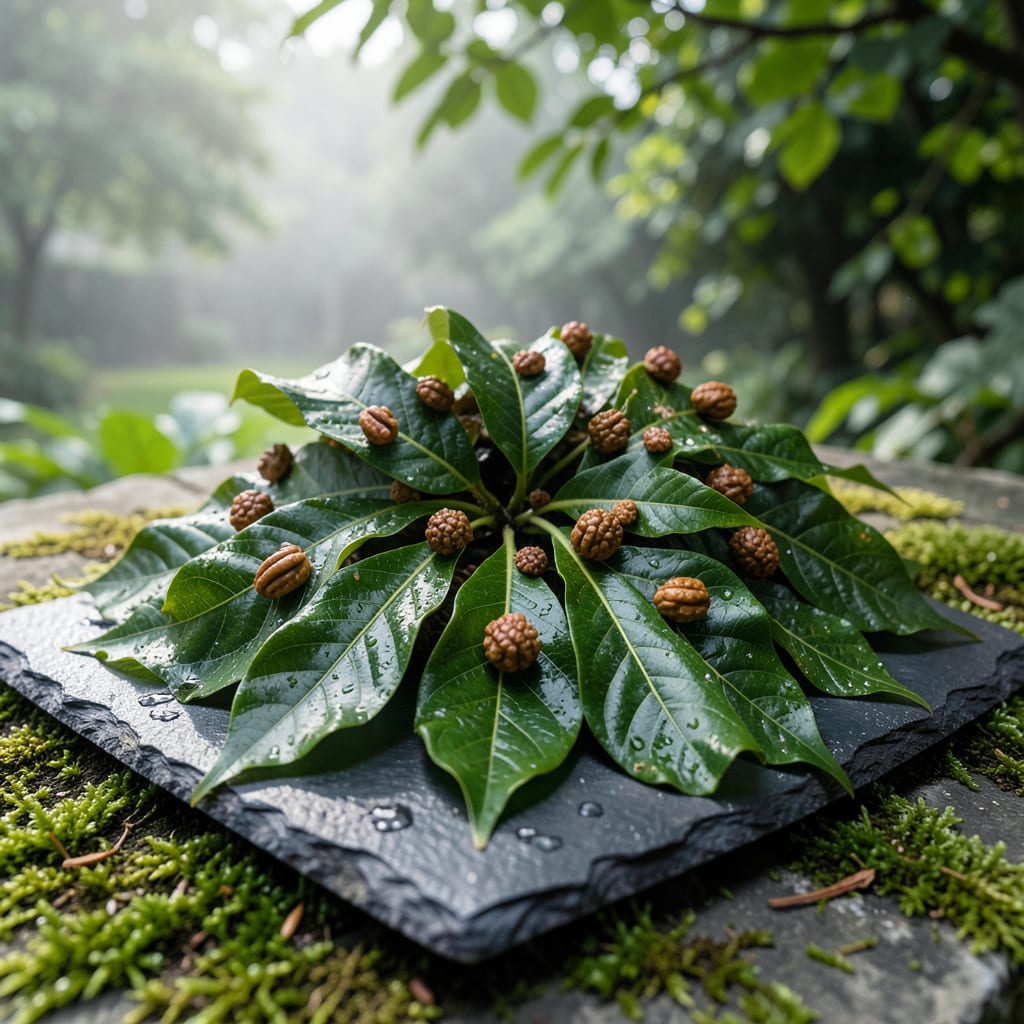
Those odd bumps on your pecan leaves aren’t just ugly—they’re a warning sign. I first noticed them on my grandfather’s old tree, and ignored them for a season. Big mistake.
Most likely culprits are pecan scab, mites, or gall insects, each leaving distinct bumps in different spots. The good news? All three are treatable without harsh chemicals if you catch them early.
Organic remedies like neem oil, horticultural oil, or beneficial insects can knock them out. The key is timing—hit them before the bumps spread to nuts and branches.
Works for backyard trees, orchards, or even a single heritage pecan. Here’s how to diagnose and fix it for good.
Bumps on pecan tree leaves are often a sign of underlying issues, typically tied to pests, diseases, or environmental stress. Here’s a breakdown of the most common causes and the science behind them:
This tiny aphid-like insect (Phylloxera devastatrix) is a primary culprit. Females lay eggs on young leaves, and as nymphs feed, they inject saliva that disrupts cell growth, causing galls or bumps to form. These growths are the tree’s defensive response—abnormal tissue growth to isolate the pest. Left unchecked, severe infestations can weaken the tree and reduce nut production.
Fungi like Scab (Fusicladium effusum) or Powdery Mildew (Microsphaera alni) can also create bumpy, distorted leaves. Scab forms olive-green to black spots that may merge into raised lesions, while powdery mildew coats leaves in a white, powdery film that can warp growth. These pathogens thrive in humid, wet conditions, entering through stomata (leaf pores) and hijacking cellular processes.
Extreme weather, such as hail damage or heat stress, can cause physical trauma to leaves. The tree may respond by forming callus-like bumps as part of the healing process. Similarly, nutrient deficiencies (e.g., zinc or manganese) disrupt normal leaf development, leading to malformed or bumpy foliage. Poor soil drainage or compacted roots can exacerbate these issues by limiting nutrient uptake.
Mites, scale insects, or psyllids can also induce bump-like galls. For example, the pecan leaf gall mite (Eriophyes caryae) burrows into leaf tissue, triggering abnormal growths. These pests are often opportunistic, flourishing when the tree is already stressed by drought or poor health.
Dealing with bumps on pecan tree leaves often starts with identifying the cause. Here’s how to tackle the most common issues effectively:
These tiny insects create greenish bumps on leaves. To fix it, prune and destroy heavily infested leaves in early spring before the galls harden. Apply horticultural oil during dormancy to smother overwintering eggs. Prevention tip 💡: Keep your tree healthy with balanced fertilization to reduce stress, which makes it less susceptible.
These pests cause small bumps or curled leaves. Blast them off with water early in the morning, or use insecticidal soap for severe infestations. Introduce beneficial insects like ladybugs to keep populations in check. Prevention tip 🌡️: Avoid over-fertilizing with nitrogen, which attracts aphids.
Fungal bumps or lesions often appear in wet conditions. Remove and burn infected leaves to prevent spread. Apply copper-based fungicides in early spring as a protective measure. Prevention tip ✨: Improve air circulation by pruning dense branches and avoiding overhead watering.
Bumps paired with yellowing may signal zinc or manganese deficiency. Apply a foliar zinc spray in spring, or amend the soil with micronutrients. Prevention tip 🎯: Test your soil annually to catch deficiencies early.
Regularly inspect your pecan tree for early signs of trouble, and act quickly to keep it thriving! Consistency is key—most issues are easier to manage when caught early.
Most are not immediately fatal, but severe infestations can weaken the tree and reduce nut production. Early treatment prevents long-term damage
Yes! Neem oil or insecticidal soap works well for pests, while copper fungicides handle fungal issues. Always test on a small area first
Early spring, before new growth appears, is ideal for preventative measures. For active infestations, act at first sight of bumps to stop spreading
Some may fall off naturally, but the underlying cause often persists. Without intervention, the problem typically returns or worsens next season
