
Beautiful Plants For Your Interior
Beautiful Plants For Your Interior
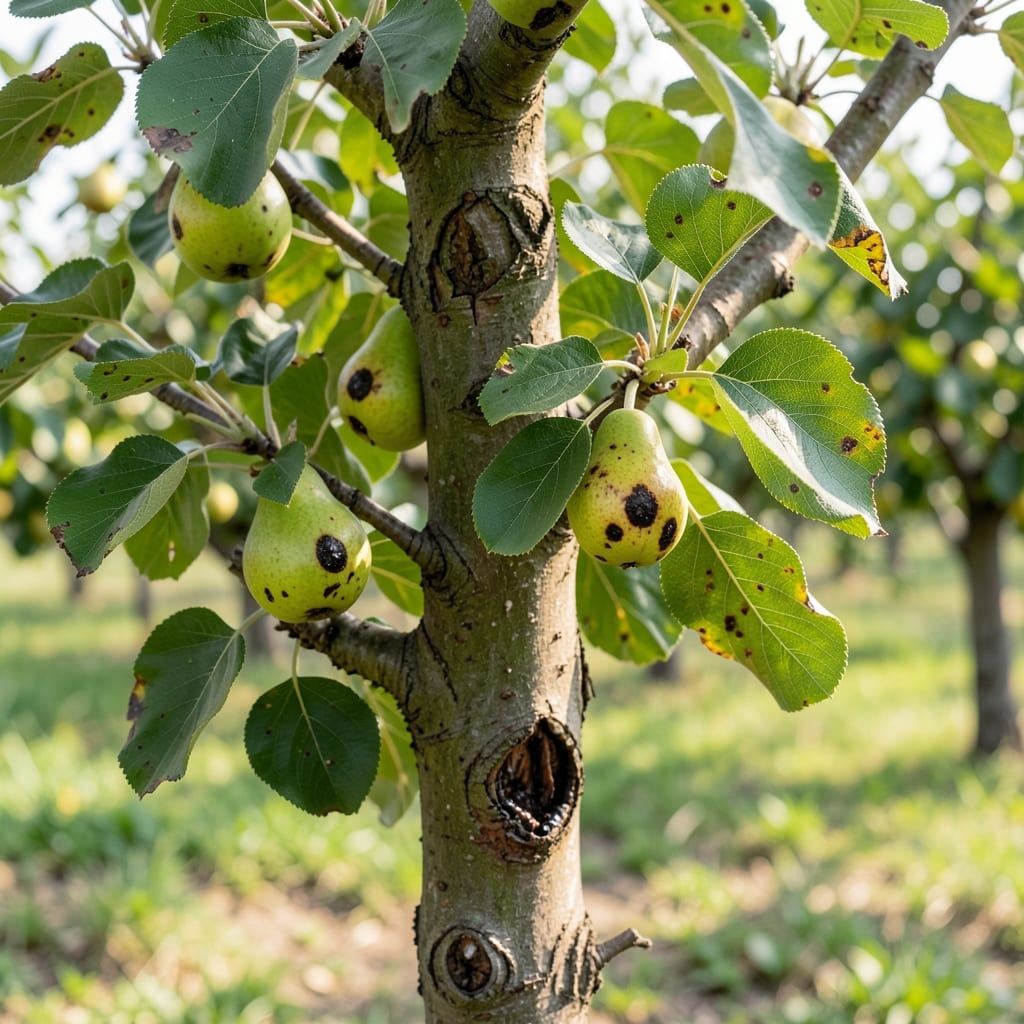
Spotted brown leaves on your pear tree last week? I’ve been there—watching healthy growth turn spotty overnight. These issues often start subtle, with small discolorations or unusual growths that are easy to overlook.
Most problems stem from fungal infections or pest damage, but environmental stress plays a role too. I learned the hard way that early diagnosis saves trees, while ignoring symptoms leads to long-term damage or even loss.
The good news? Many pear tree diseases respond well to simple treatments like pruning affected branches or applying organic sprays. Prevention is even easier with proper air circulation and consistent care.
Whether it’s fire blight, scab, or powdery mildew, knowing what to look for means you can act fast. Here’s how to keep your tree thriving for years to come.
Understanding the root causes of pear tree diseases helps you prevent and manage them effectively. Here are the primary factors:
Fungi like Venturia pirina (pear scab) and Gymnosporangium sabinae (pear rust) thrive in wet, humid conditions. These pathogens spread through spores, infecting leaves, fruit, and bark. Poor air circulation and overhead watering exacerbate their growth.
Bacteria such as Erwinia amylovora (fire blight) enter through wounds or blossoms, causing wilting, cankers, and dieback. Warm, rainy springs create ideal conditions for bacterial spread. Pruning tools can also transmit bacteria if not sterilized.
Insects like pear psylla, aphids, and codling moths weaken trees by feeding on sap or fruit. Their damage creates entry points for diseases. Additionally, pests like mites can stress trees, making them more susceptible to infections.
Poor soil conditions, drought, or waterlogging stress pear trees, compromising their immune systems. Nutrient deficiencies (e.g., low nitrogen or potassium) also reduce resistance to diseases. Extreme temperatures can further weaken trees, leaving them vulnerable.
Improper pruning, lack of sanitation (e.g., leaving fallen leaves or fruit), and crowded planting can foster disease development. Failing to remove infected plant parts allows pathogens to persist and spread.
Tackling pear tree diseases starts with quick action and smart care. Below are targeted solutions for common issues, paired with prevention tips to keep your trees thriving. 🌳✨
Remove infected branches or leaves immediately to stop the spread. Apply copper-based fungicides or neem oil to affected areas, following label instructions. For prevention, space trees properly to improve airflow and avoid overhead watering, which creates damp conditions fungi love.
Blast aphids or mites off with a strong stream of water, or use insecticidal soap. For serious pests like pear psylla, introduce beneficial insects (e.g., ladybugs) or apply horticultural oil in dormancy. Inspect trees weekly during growing season to catch pests early.
Pro tip: 💡 Encourage birds with feeders—they’ll snack on pests for free!
Cut out blighted wood at least 6 inches below visible damage, sterilizing tools with rubbing alcohol between cuts. Burn or trash (don’t compost!) infected material. Prevent future outbreaks by pruning in dry weather and avoiding high-nitrogen fertilizers, which promote susceptible new growth.
Yellowing leaves or stunted growth may signal a lack of nitrogen, iron, or other nutrients. Conduct a soil test to pinpoint deficiencies, then amend with organic matter or targeted fertilizers. Mulch annually with compost to boost soil health long-term.
If roots are waterlogged, stop watering and let soil dry. For chronic issues, amend heavy clay soil with sand or organic matter. Plant new trees in raised beds or slopes to ensure proper drainage. Always use well-draining pots for container-grown pears.
Pro tip: 🌡️ Water deeply but only when the top 2 inches of soil are dry—overwatering is a common culprit!
Look for brown or black spots on leaves, unusual leaf drop, or oozing cankers on branches. Early detection is key to stopping the spread.
Check your pear tree weekly during growing season. Focus on new growth, leaf undersides, and branch junctions where problems often start.
It depends on the disease. For fire blight, aggressive pruning may help. For advanced root rot, removal is often necessary to protect other plants.
Yes! Neem oil, copper sprays, and proper sanitation work well for many issues. Always apply in cool, dry weather for best results.