
Beautiful Plants For Your Interior
Beautiful Plants For Your Interior
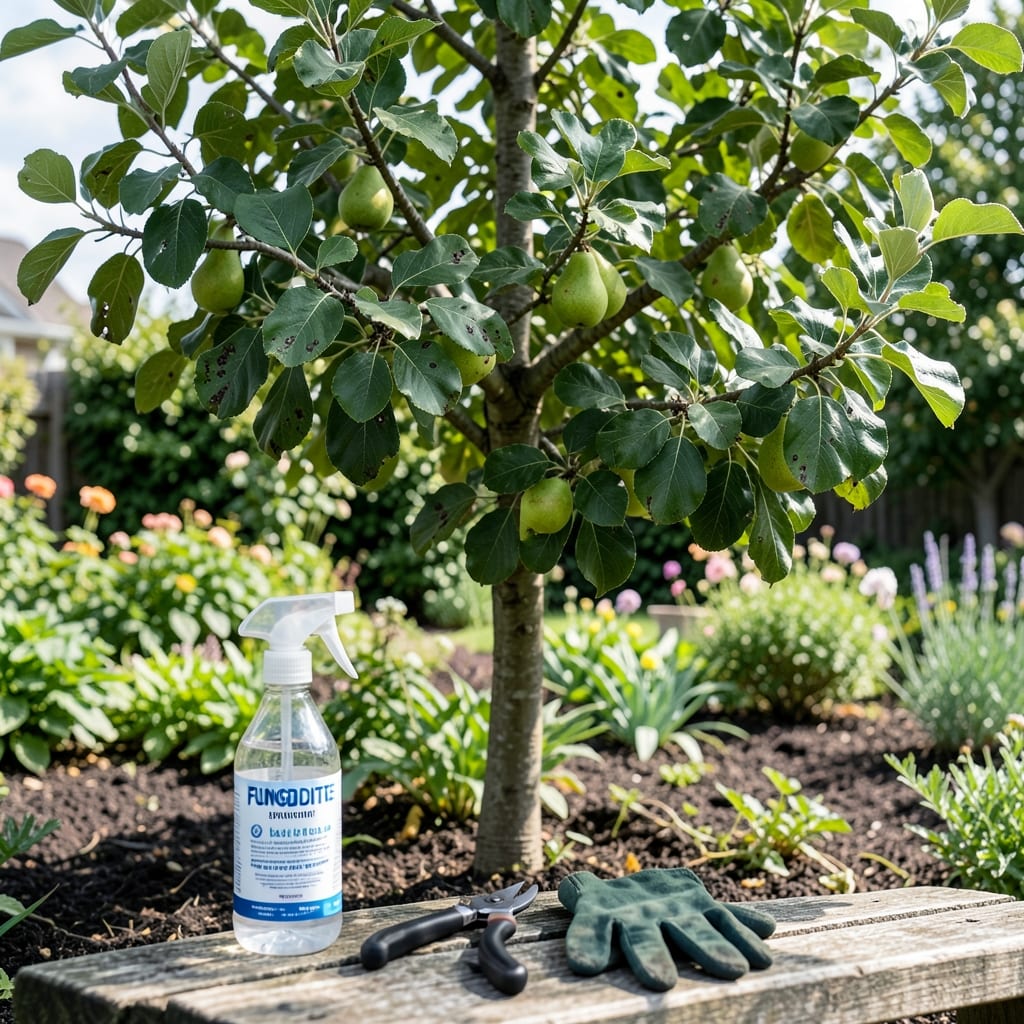
Those dark, scabby spots on your pear leaves aren’t just ugly—they’re stealing your harvest. I’ve fought this fungal menace in my own orchard and learned that early action makes all the difference.
Pear scab thrives in wet spring weather, attacking leaves, fruit, and twigs. Left unchecked, it weakens trees and ruins fruit quality. The good news? Organic treatments work if you start before symptoms spread.
With the right approach, you’ll see cleaner foliage within weeks and healthier fruit by harvest. The key is consistency—treat at the right time and repeat as needed.
Works for backyard trees and commercial orchards alike. Here’s how to reclaim your pears.
Pear scab, caused by the fungus Venturia pirina, thrives under specific environmental conditions. Understanding its root causes helps in targeted prevention and treatment.
The fungus releases spores during prolonged wet periods in spring, especially when temperatures hover between 50–75°F (10–24°C). Rain or heavy dew provides the moisture needed for spores to germinate and infect pear trees. Without these conditions, the fungus remains dormant.
Venturia pirina survives winter in fallen leaves and twigs from infected trees. If these debris are not removed, they become a primary source of spores in the following growing season. Orchards with poor sanitation practices are at higher risk.
Some pear cultivars, such as Bartlett, Anjou, and Bosc, are more vulnerable to scab due to their genetic makeup. The fungus exploits weaker natural defenses in these varieties, making them easier targets for infection.
Dense canopies or overcrowded orchards trap moisture and reduce airflow, creating a microclimate ideal for fungal growth. Pruning to improve ventilation can significantly lower scab incidence.
Tackling pear scab starts with identifying the root cause and applying targeted fixes. Here’s how to address common triggers and keep your orchard thriving:
Remove infected branches and leaves immediately to stop spores from spreading. Apply copper-based fungicides (like Bordeaux mixture) early in the season, especially during wet springs. Reapply after heavy rains for best results.
Prevention tip: 💡 Improve air circulation by thinning branches and spacing trees properly.
Pear scab thrives when treatments are sporadic. Start dormant-season sprays (lime sulfur or horticultural oil) before buds swell. Follow up with protective fungicides (e.g., sulfur or potassium bicarbonate) every 7–10 days during wet weather.
Prevention tip: ⏰ Set calendar reminders for applications—consistency is key!
Wet foliage creates a playground for scab fungi. Avoid overhead sprinklers and water at the base of trees. Drip irrigation keeps leaves dry and reduces spore germination.
Prevention tip: 🌧️ Water early in the day so foliage dries quickly.
Fallen leaves and fruit harbor spores over winter. Rake and destroy (not compost!) all debris after harvest and in late fall. Mulch with clean straw to suppress new infections.
Prevention tip: ✨ Apply a thin layer of compost in spring to boost tree resilience.
For organic growers, neem oil or baking soda sprays (1 tbsp baking soda + 1 tsp dish soap per gallon of water) can help manage mild outbreaks. Always test sprays on a small area first!
Apply protective fungicides every 7–10 days during wet springs. Reapply immediately after heavy rain, as water can wash away protection. Consistency prevents spores from taking hold.
Some treatments like copper fungicides or neem oil work for multiple fruit trees, but always check labels. Apple scab treatments often overlap with pear scab solutions.
Rake and destroy infected leaves—never compost them. Burn or bag them for trash removal to prevent spores from overwintering. Cleanup in fall is critical.
Pruning helps but isn’t enough by itself. Combine it with fungicide applications and sanitation for best results. Remove infected branches immediately to limit spores.