
Beautiful Plants For Your Interior
Beautiful Plants For Your Interior
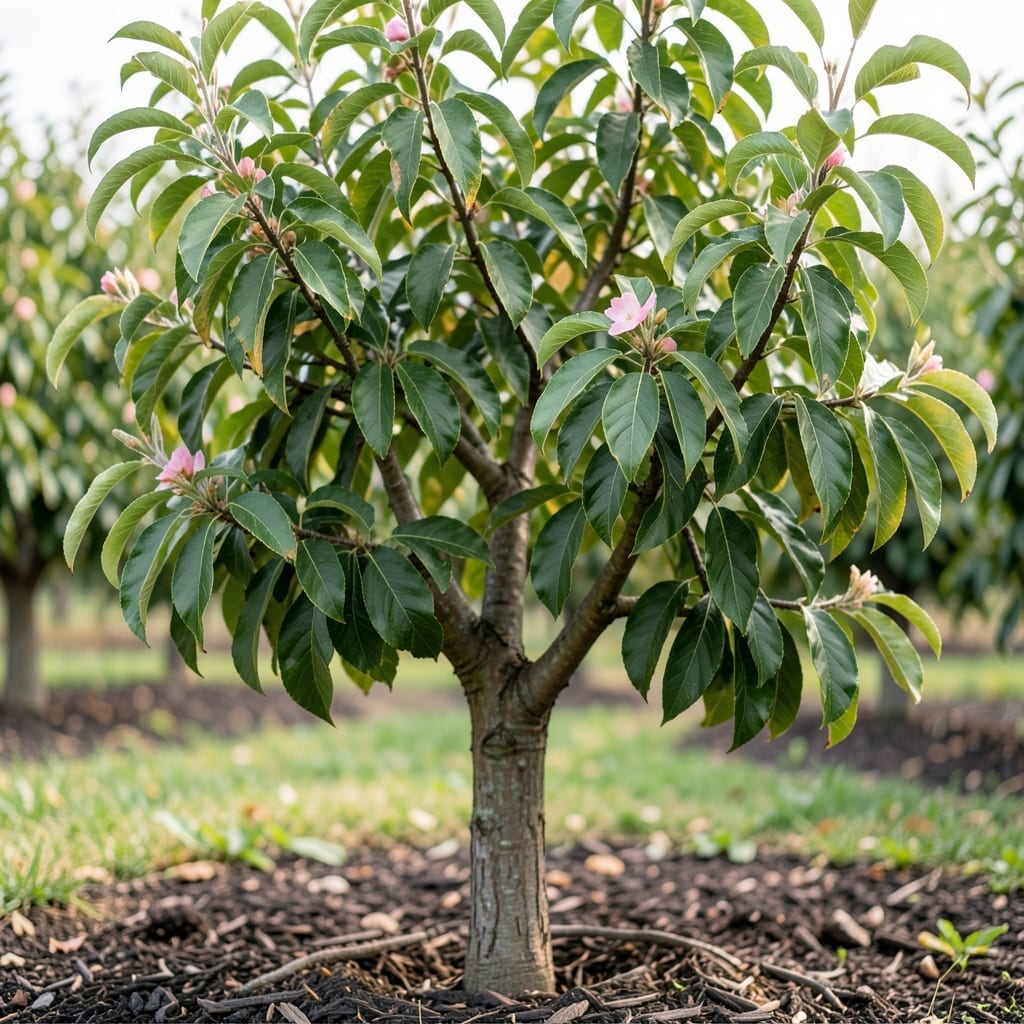
My peach tree looked healthy until the leaves started twisting like tiny tacos. 🌿 That curling is your tree’s way of waving a red flag—something’s wrong and it needs help fast.
I’ve seen this happen from too much water, not enough nutrients, or pests throwing a party on the undersides. The good news? Once you spot the pattern, the fix is usually straightforward and organic.
You’ll start seeing improvement within 7-10 days of treating the right issue. The key is matching the symptom to the solution before the problem spreads to your fruit.
Works for young saplings and established trees alike. Here’s how to diagnose and treat it.
Peach leaves curling is often a symptom of underlying stress or disease. Here are the most common causes, explained with actionable insights:
The primary culprit is Taphrina deformans, a fungus that overwinters in bark and buds. In spring, spores infect emerging leaves, causing distorted, reddish, or curled growth. Wet, cool conditions (50–70°F) accelerate spore release. Action: Remove infected leaves immediately and apply copper fungicide before bud swell in early spring.
Aphids, mites, and peach twig borers suck sap or tunnel into leaves, disrupting cell structure and causing edges to curl inward. Aphids also excrete honeydew, promoting sooty mold. Action: Blast pests off with water or use neem oil/insecticidal soap at first sign of damage.
Drought, waterlogging, or extreme heat can trigger leaf curl as the plant conserves moisture. Overwatering suffocates roots, while underwatering limits nutrient uptake. Action: Maintain consistent soil moisture (1–2 inches of water weekly) and mulch to regulate temperature.
Low nitrogen or potassium weakens cell walls, leading to curling. Yellowing (chlorosis) often accompanies nitrogen deficiency, while potassium deficiency causes leaf margins to brown and curl. Action: Test soil and amend with compost or a balanced organic fertilizer (e.g., 10-10-10).
Late frosts or sudden heatwaves shock peach trees, forcing leaves to curl as a protective response. Action: Use frost cloths in early spring and provide afternoon shade during heat spikes.
When your peach tree’s leaves start curling, quick and targeted action can restore its health. Below are the most effective fixes, organized by cause, along with prevention tips to keep your tree thriving.
If the curling is due to peach leaf curl (a fungal disease) or bacterial spot, act fast:
💡 Prevention tip: Apply fungicide preventatively in late winter, and avoid overhead watering to keep leaves dry.
Aphids, mites, or scale insects can cause curling by sucking sap from leaves. Here’s how to fight back:
💡 Prevention tip: Inspect leaves regularly for early signs of pests, and encourage a diverse garden ecosystem to attract natural predators.
Extreme heat, drought, or waterlogging can stress your peach tree, leading to curled leaves. Fix it with these steps:
💡 Prevention tip: Test soil drainage before planting, and choose a well-draining spot to avoid waterlogging.
Yellowing or curling leaves may signal a lack of nutrients like nitrogen, potassium, or zinc. Try this:
💡 Prevention tip: Feed your tree with compost or well-rotted manure annually to maintain soil fertility.
Fungal leaf curl can spread between peach trees through spores. Remove infected leaves immediately and avoid overhead watering to prevent transmission.
With proper treatment, new growth should appear healthy within 7-14 days. Severely damaged leaves won’t uncurl but will be replaced.
Baking soda sprays (1 tbsp per gallon of water) can help mild fungal cases. For severe infections, copper fungicide is more effective.
Fungal spores infect emerging leaves first. Older leaves are more resistant but can still become affected if the disease progresses.