
Beautiful Plants For Your Interior
Beautiful Plants For Your Interior
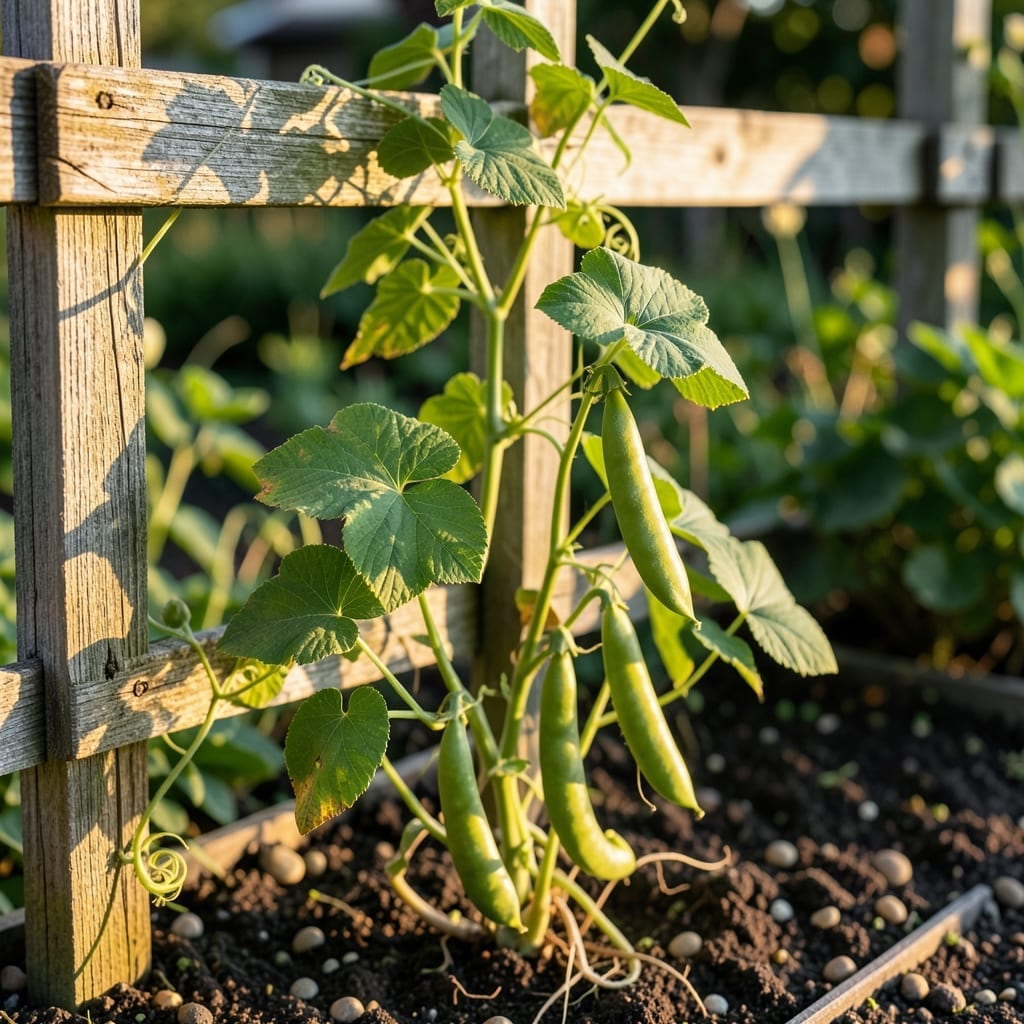
Yellow leaves on pea plants always signal something’s off. I’ve seen this happen mid-season when everything seemed fine, then suddenly the lower leaves turn pale and the plant struggles.
Most times it’s a simple fix—too much water, not enough nitrogen, or pests hiding under the foliage. The key is catching it early before the whole plant weakens and yields drop.
You can turn this around with a few adjustments: check your watering schedule, add a light compost top-dressing, and inspect for aphids. Results often show within 7-10 days.
Prevention starts with well-draining soil and consistent care. Healthy peas bounce back fast when you address the root cause quickly.
Pea leaves turning yellow often signal underlying issues that disrupt chlorophyll production or nutrient flow. Below are the most common causes, explained with actionable insights.
Yellowing often stems from a lack of nitrogen (uniform pale leaves) or iron (interveinal chlorosis in young leaves). Nitrogen deficiency slows growth, while iron deficiency appears as yellowing between veins. Test soil pH—iron uptake is hindered in alkaline soils (pH > 7.5). Amend with compost or iron chelates for quick correction.
Soggy soil suffocates roots, reducing oxygen uptake and nutrient absorption. This stress manifest as yellowing, often accompanied by wilting. Check soil moisture 2 inches deep—if it’s waterlogged, improve drainage with perlite or sand. Peas prefer moist but not waterlogged conditions.
Pathogens like powdery mildew or root rot (e.g., Fusarium) disrupt plant health. Powdery mildew causes white fungal growth and yellowing on upper leaves, while root rot turns leaves yellow and stems black. Prevent with crop rotation, spacing plants for airflow, and applying neem oil or copper fungicides at first signs.
Aphids and spider mites sap plant fluids, leading to stunted growth and yellowing. Inspect leaf undersides for tiny pests or webbing. Blast them off with water or use insecticidal soap. Ladybugs and lacewings are natural predators that help control outbreaks.
Extreme heat (above 85°F) or cold snaps can shock peas, causing yellowing. Provide afternoon shade in hot climates or use row covers for frost protection. Ensure consistent watering during temperature swings to reduce stress.
If your pea plants are sporting yellow leaves, don’t panic—most causes are fixable with a few simple adjustments. Below are targeted solutions for common issues, along with prevention tips to keep your peas thriving. 🌱
Fix: Check soil moisture by sticking your finger 1-2 inches deep. If it feels soggy, hold off on watering until the top inch dries out. Ensure pots have drainage holes, or amend garden beds with compost to improve drainage. For severe cases, consider repotting or relocating plants to a raised bed.
Prevent it: Water deeply but less frequently (1-2 times per week, depending on weather). Use mulch to retain moisture without waterlogging. 💡
Fix: Yellowing often signals a lack of nitrogen (uniform yellow) or iron (yellow with green veins). For nitrogen, work in a balanced organic fertilizer or add compost. For iron, apply chelated iron or a foliar spray. A soil test can pinpoint the exact deficiency.
Prevent it: Enrich soil with compost before planting. Rotate crops annually to avoid depleting nutrients. ✨
Fix: If leaves scorch or yellow in intense sunlight, provide afternoon shade with a shade cloth or move potted peas to a cooler spot. Ensure plants get 6-8 hours of morning sun, which is gentler.
Prevent it: Plant peas in early spring or fall to avoid peak summer heat. Keep soil consistently moist to help plants cope with temperature swings. 🌡️
Fix: For aphids or spider mites, blast leaves with water or apply insecticidal soap. Fungal issues (like powdery mildew) often cause yellow spots—remove affected leaves and improve air circulation. Use neem oil as a natural fungicide.
Prevent it: Space plants properly (2-3 inches apart) to reduce humidity. Avoid overhead watering to keep foliage dry. 🎯
With these tweaks, your pea plants should bounce back—and you’ll be harvesting crisp, green pods in no time!
Water deeply 1-2 times per week, allowing the top inch of soil to dry between waterings. Overwatering causes yellowing, so check soil moisture regularly.
Once leaves turn yellow, they won’t recover, but fixing the underlying issue (nutrients, water, pests) will help new growth stay healthy. Remove severely yellowed leaves to redirect energy.
Add compost or a balanced organic fertilizer for nitrogen. For iron deficiency, use chelated iron or foliar sprays. A soil test confirms which nutrient is lacking.
Inspect leaves weekly for aphids or mites. Use insecticidal soap or neem oil, and encourage natural predators like ladybugs. Proper spacing improves airflow.