
Beautiful Plants For Your Interior
Beautiful Plants For Your Interior
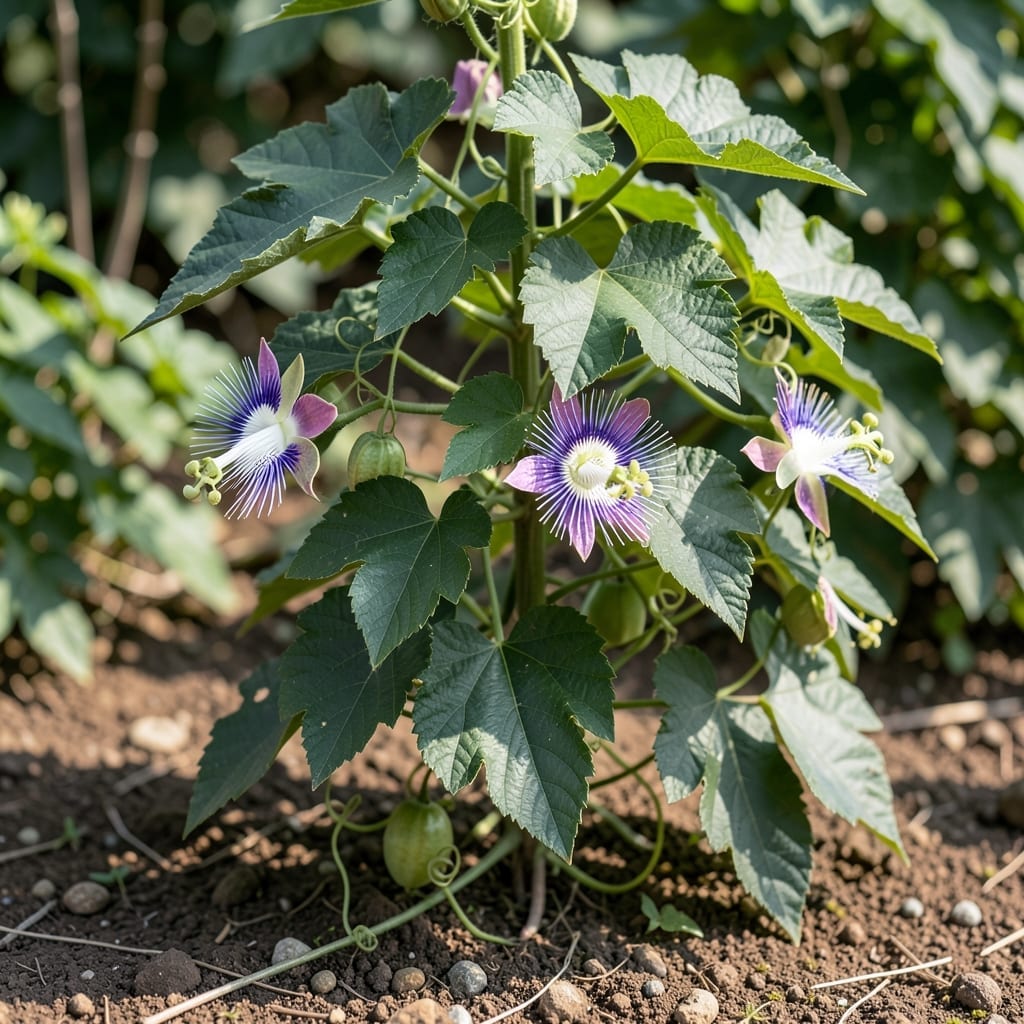
Ever noticed how Passion Fruit vines seem to take over gardens with their vigorous growth? These tropical climbers can surprise even experienced gardeners with how quickly they expand.
I learned the hard way that understanding their mature size is the key to proper planning. Without the right approach, you might find yourself with an unruly jungle instead of a productive vine.
From height to spread, these plants have specific dimensions that impact everything from trellising to spacing. The good news? With some smart management, you can harness their growth for better yields.
Let me show you exactly what to expect from 🧡 Passion Fruit and how to work with its natural tendencies. The results will be worth it.
If you’re planning to grow passion fruit, understanding its mature size is essential. These vigorous vines can reach impressive dimensions, with most varieties growing 15-20 feet tall and spreading 10-15 feet wide when properly supported.
Different passion fruit varieties exhibit slight variations in size. The popular Purple Passionfruit typically grows 15-20 feet in height, while the Yellow Passionfruit can stretch even further under ideal conditions.
| Variety | Height | Spread | Growth Habit |
|---|---|---|---|
| Purple Passionfruit | 15-20 ft | 10-15 ft | Fast-growing vine |
| Yellow Passionfruit | 18-25 ft | 12-20 ft | Aggressive climber |
| Banana Passionfruit | 20-30 ft | 10-15 ft | Tall, less spreading |
The Banana Passionfruit is the tallest, often reaching 20-30 feet in height, though its spread remains similar to other varieties. This makes it ideal for vertical gardening spaces where height isn’t a constraint.
In their first year, passion fruit vines typically grow 5-8 feet, then accelerate in the second year to 10-15 feet. By the third year, they usually reach their mature height of 15-20 feet, depending on the variety and growing conditions.
Without proper support, these vines will sprawl across the ground, which can lead to poor air circulation and increased disease risk. I always recommend providing a strong trellis at least 6-8 feet tall to accommodate their rapid growth.
For container gardening, dwarf varieties are available that stay more compact, typically reaching 10-12 feet in height. However, even these need substantial support and regular pruning to maintain their size.
Remember that these sizes are for plants grown in ideal conditions with proper care. Factors like soil quality, water availability, and climate can significantly impact the final size of your passion fruit vine.
In cooler climates (USDA zones 8 and below), passion fruit plants may stay smaller as they’re often grown as annuals or in containers that limit their root spread. I’ve seen container-grown specimens max out at 8-10 feet in height.
Proper pruning is key to managing size. I prune my passion fruit vines annually to control their spread and encourage fruit production on the remaining branches. This also helps maintain good airflow through the plant.
With their rapid growth rate, passion fruit vines can quickly become unmanageable without regular attention. I find that weekly checks during the growing season help me stay ahead of any wayward tendrils or overgrowth.
☀️If you’ve ever wondered why your neighbor’s passion fruit vine looks different from yours, several factors come into play. I’ve found that climate conditions significantly affect growth patterns, with warmer zones producing more vigorous vines.
Soil quality makes a huge difference too. Well-draining, nutrient-rich soil encourages faster, healthier growth compared to poor or compacted earth. 🌱
Your pruning practices directly impact vine size and fruit production. Regular pruning keeps the plant manageable while encouraging fruit-bearing wood. I recommend pruning after harvest to maintain size.
The trellis type you choose affects growth direction. Vertical trellises save space, while horizontal systems allow wider spread. I’ve seen vines reach 20 feet on strong vertical supports.
Water and fertilizer regimes play crucial roles. Consistent moisture and balanced 10-10-10 fertilizer every 4-6 weeks promote steady growth. Remember, over-fertilizing can lead to excessive foliage with fewer fruits. ☀️
Lastly, variety selection matters. Some passion fruit types naturally grow larger than others. The standard purple variety typically reaches 15-20 feet at maturity under ideal conditions.

