
Beautiful Plants For Your Interior
Beautiful Plants For Your Interior
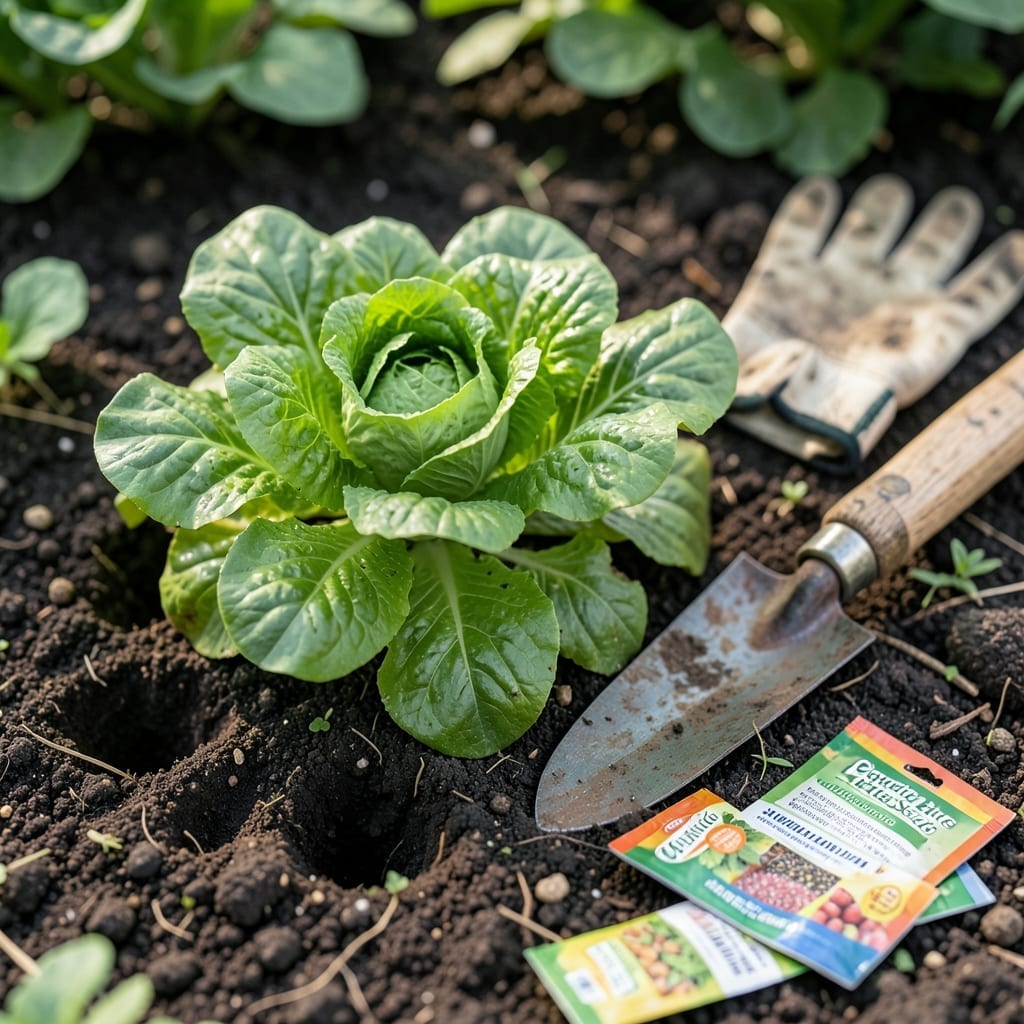
Timing is everything when planting Spring Vegetables in Zone 7—start too early and frost may kill your seedlings, but wait too long and you’ll miss the best growing window.
I’ve seen countless gardeners struggle with this exact dilemma, watching their dreams of a bountiful harvest wither before they even begin. The good news? There’s a simple way to get it right.
With the last frost date typically around April 15, knowing when to plant can make all the difference. Whether you’re a seasoned gardener or just starting out, this guide will help you nail the timing.
Discover the optimal schedule for planting your 🥕 Spring Vegetables and set yourself up for a season of fast, thriving growth.
In Zone 7, the last frost typically hits around April 15. This date is your green light for planting frost-tolerant vegetables. I always mark it on my calendar to avoid costly mistakes. 🌱
For cool-season crops like lettuce, spinach, and peas, you can start planting as early as late February to early March. These hardy plants thrive in cooler soil and air temperatures.
| Vegetable Type | Planting Window | Frost Tolerance |
|---|---|---|
| Peas | Feb 15 – Mar 15 | High |
| Lettuce | Mar 1 – Mar 30 | High |
| Carrots | Mar 1 – Apr 1 | Medium |
| Tomatoes | Apr 15 – May 1 | Low |
| Cucumbers | Apr 20 – May 10 | Low |
Warm-season crops like tomatoes, peppers, and cucumbers need warmer soil, so wait until after the last frost. I’ve learned the hard way that planting these too early can stunt their growth.
For transplants, start seeds indoors 6-8 weeks before the last frost. This gives them a head start. I use a heat mat to keep soil warm and promote germination.
Direct sowing works best for root crops like carrots and radishes. These don’t transplant well, so plant them directly in the garden when soil temps reach 50°F. 🌿
Keep an eye on the 10-day forecast before planting. If a late frost is predicted, cover your seedlings with row covers or cloches to protect them.
Succession planting is a game-changer in Zone 7. I plant lettuce every 2 weeks for a continuous harvest. This technique works well for radishes and spinach too.
Don’t forget to prepare your soil before planting. I add compost and a balanced fertilizer to give my vegetables the best start. Well-draining soil is key to preventing root rot.
Finally, mulch your garden beds to retain moisture and suppress weeds. I use straw or shredded leaves for a natural, effective solution. This simple step can save you hours of weeding later. ☀️
In Zone 7, the spring growing season can feel frustratingly short. I’ve found that with a few strategic tricks, you can stretch those precious weeks into a longer harvest window. 🌱
One of my favorite methods is succession planting. Instead of planting all my lettuce or radishes at once, I sow new seeds every 10-14 days. This ensures a steady supply rather than a single glut.
I also swear by cold frames and hoop tunnels for early starts. These simple structures can create a microclimate that’s 5-10°F warmer than the surrounding air, perfect for spinach and kale. 🌿
For warm-season crops like peppers and eggplants, I always start seeds indoors under grow lights. This gives them the 6-8 weeks they need to mature before transplanting outdoors after the last frost.
Interplanting is another space-saving trick I use. I’ll plant radishes between slower-growing broccoli. The radishes mature quickly, and by the time the broccoli needs the space, the radishes are already harvested.
Finally, don’t underestimate the power of mulch. A thick layer of straw or shredded leaves keeps soil temperatures stable and retains moisture, giving your plants a more consistent growing environment. ☀️