
Beautiful Plants For Your Interior
Beautiful Plants For Your Interior
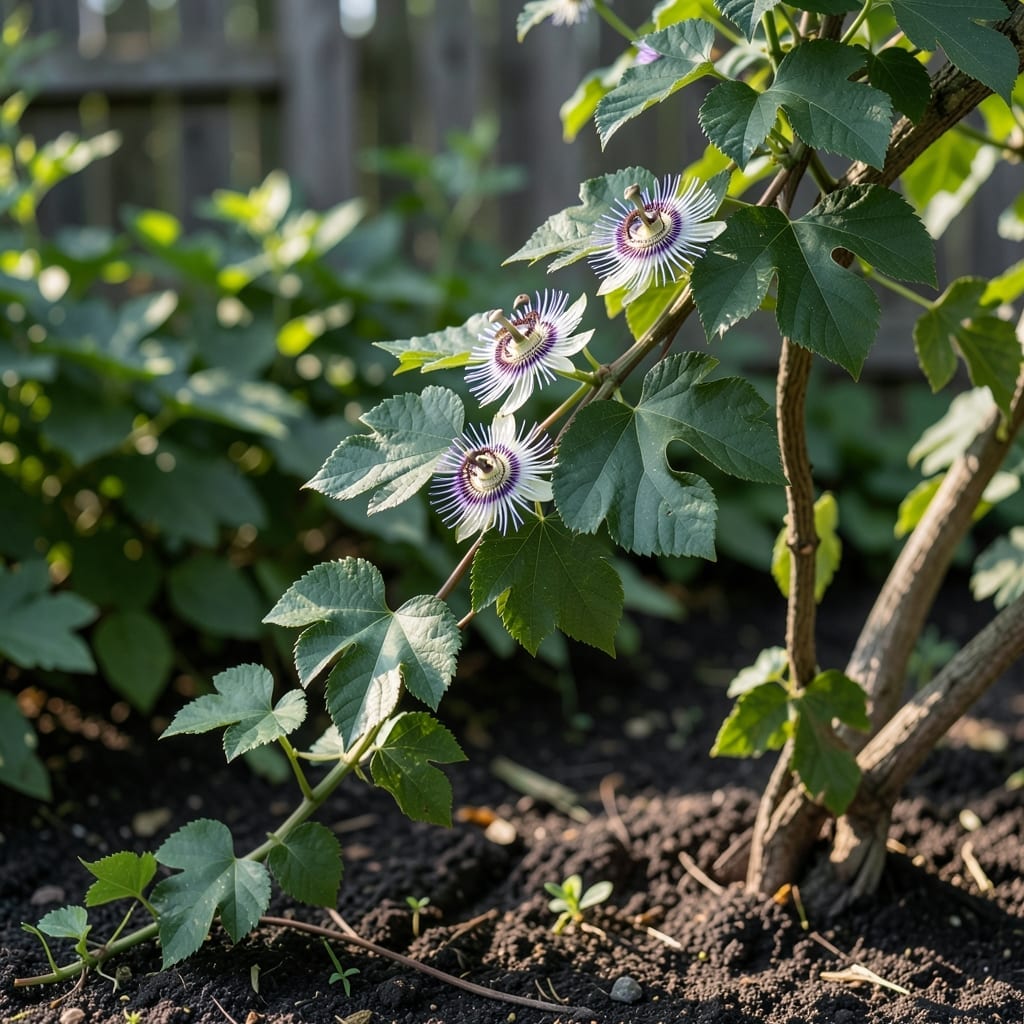
Those delicate leaves on your passionflower vine tell a story. Yellowing edges, brown spots, or curled surfaces—each symptom points to a specific issue with your Passiflora incarnata.
I’ve learned the hard way that most problems start with watering or soil quality. Fix the basics first: consistent moisture without soggy roots, and a well-draining mix. The leaves bounce back surprisingly fast.
📚 In This Guide
Here’s how I safely handle and use passionflower leaves for teas and infusions in my own garden.
I only harvest fully matured leaves from Passiflora incarnata—the three-lobed, deep green foliage is unmistakable. Young leaves contain higher concentrations of cyanogenic glycosides, which can be harmful if consumed in excess. Wait until the plant is at least 2 years old before harvesting for culinary use.
Use clean, sharp scissors to snip leaves in the early morning after dew has dried but before the heat of the day sets in. This timing preserves the volatile oils that give the leaves their aromatic qualities. Avoid wilted or yellowing foliage, as these may indicate stress or disease.
Rinse the leaves under cool running water to remove dust, pollen, or potential pests. Gently pat them dry with a clean towel or allow them to air-dry on a paper towel. Inspect each leaf carefully for signs of damage, discoloration, or insect presence—discard any that don’t meet the highest standard.
This step is non-negotiable. Even organic gardens can harbor trace contaminants, and passionflower leaves have a delicate texture that can trap debris in their veins. I always do a second visual check under good lighting before proceeding.
Lay the leaves in a single layer on a clean, dry surface away from direct sunlight. A well-ventilated area with low humidity is ideal. I use a mesh screen or a clean cotton towel to ensure airflow reaches all sides. Flip the leaves after 24-48 hours to promote even drying.
The leaves are ready when they crumble slightly between your fingers but retain their green color. This typically takes 3-5 days, depending on humidity levels. Store in an airtight container away from light and moisture to preserve potency.
For tea, use 1-2 teaspoons of dried leaves per cup of just-boiled water. Steep for 5-7 minutes—longer infusions can become bitter. The flavor is mild and slightly floral, with a subtle earthy undertone that pairs well with honey or lemon.
If using fresh leaves, double the amount and reduce steeping time to 3-4 minutes to avoid excess astringency. Always strain through a fine mesh to remove any residual plant material. I prefer a French press for easy cleanup.
Never consume raw leaves in large quantities, as they may cause digestive discomfort. Moderation is key, especially when first introducing this herb to your routine.
These practical insights will help you handle this herb safely and effectively.
Harvesting Timing: In Step 1, the early morning window after dew dries is critical for preserving those volatile oils that give the leaves their signature aroma. I’ve found that harvesting later in the day results in noticeably flatter flavor, even if the leaves look perfectly healthy. Also, resist the temptation to use young leaves—waiting those full 2 years for mature foliage ensures both safety and optimal taste.
Drying Technique: For Step 3, don’t rush the drying process. Those 24-48 hours for flipping and the full 3-5 days for completion are non-negotiable for even results. I use a mesh screen in a dark, well-ventilated closet—this setup prevents direct sunlight exposure while ensuring consistent airflow. The leaves are ready only when they crumble slightly but still retain vibrant green color.
Infusion Precision: In Step 4, the 5-7 minute steeping window for dried leaves is your sweet spot. Exceed that, and bitterness creeps in. With fresh leaves, stick strictly to 3-4 minutes—doubling the quantity without reducing time will make your tea unpleasantly astringent. A kitchen timer is your best friend here.
Rinse fresh leaves thoroughly, then steep 1-2 teaspoons of dried leaves in hot water for 5-10 minutes. Avoid boiling to preserve delicate compounds. Always use clean, pesticide-free leaves.
Yes! The leaves add a mild, earthy flavor to soups, salads, or infused oils. Use sparingly, as their taste can be strong. Ensure they’re from a safe, edible variety and properly washed.
Harvest leaves in the morning after dew evaporates for peak freshness. Choose young, tender leaves for culinary use, as older ones may turn bitter.
Try passionflower (Passiflora edulis) leaves or mild herbs like lemon balm. Always confirm edibility and consult a professional if unsure.
Bitterness often comes from over-steeping or using mature leaves. Reduce brewing time to 5 minutes or mix with sweeter herbs like mint or chamomile.