
Beautiful Plants For Your Interior
Beautiful Plants For Your Interior
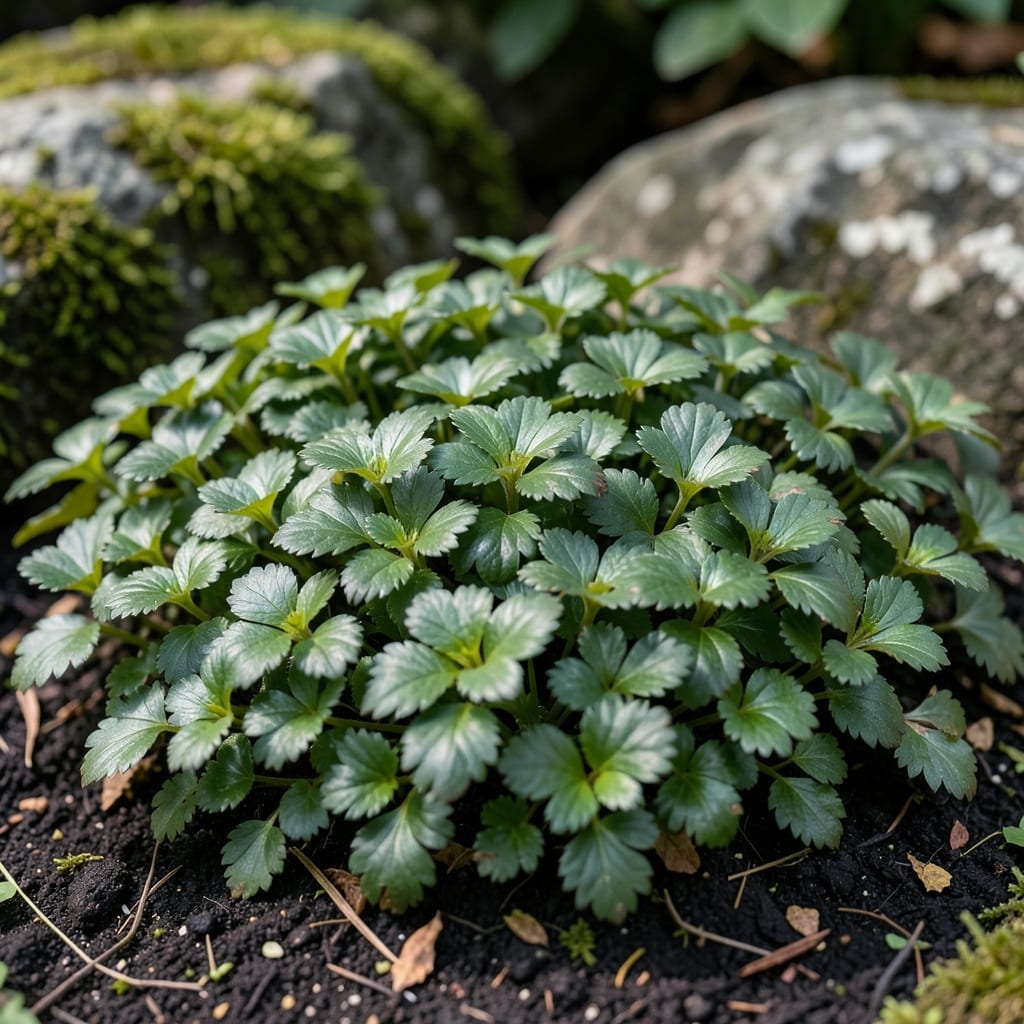
Pachysandra stays green when most plants give up. I’ve watched my patches hold their color through subzero temps and ice storms, proving this ground cover doesn’t clock out for winter.
Cold hardiness isn’t the only advantage—it actively improves winter landscapes. Where other plants leave bare soil, pachysandra spreads a lush carpet that suppresses weeds and prevents erosion.
The key is minimal interference. A light mulch helps in extreme cold, but this plant thrives on neglect. It bounces back faster than grass after snow melt.
Works in shade or partial sun, under trees or along foundations. Here’s how to let it do its thing all season.
Pachysandra, a popular evergreen ground cover, can face challenges during the winter months. Understanding why this happens can help you take better care of your garden. Here are the primary reasons:
Pachysandra is generally cold-hardy, but rapid temperature swings can stress the plant. Freezing temperatures followed by sudden thaws can cause the roots to heave out of the soil, exposing them to further damage. This freeze-thaw cycle disrupts the plant’s ability to absorb water and nutrients, leading to browning or dieback.
Winter brings dry air and frozen soil, making it difficult for pachysandra to retain moisture. Without adequate water, the leaves can desiccate (dry out) and turn brown. Additionally, salt spray from road de-icing can draw moisture out of the plant, exacerbating the problem.
Pachysandra thrives in partial to full shade, but even shade-loving plants need some light. Winter’s shorter days and lower sun angle reduce photosynthesis, weakening the plant. In extreme cases, prolonged lack of light can lead to chlorosis (yellowing of leaves) or stunted growth.
Excessive moisture from melting snow or poor drainage can create ideal conditions for fungal diseases like root rot or leaf blight. These diseases thrive in cold, damp environments and can quickly spread, causing significant damage to pachysandra patches.
By addressing these factors—protecting plants from temperature swings, ensuring proper drainage, and minimizing salt exposure—you can help your pachysandra thrive even in winter.
If your pachysandra looks worse for wear in winter, these targeted fixes can restore its vibrancy. Address each issue as soon as you spot it for the best results.
Fix: Trim back damaged foliage with clean shears to encourage new growth. If the soil is waterlogged, improve drainage by mixing in compost or sand. For drought stress, water deeply once a week if the ground isn’t frozen.
Prevention: 💡 Apply a 2-inch layer of mulch in late fall to insulate roots and retain moisture. Avoid heavy, clay-rich soil that traps water.
Fix: Prune affected areas in early spring to remove dead tissue. Hydrate the plants thoroughly before the first hard freeze to fortify them against cold snaps.
Prevention: ✨ Plant pachysandra in a shaded or partially shaded spot to reduce exposure to harsh winter winds. Use burlap screens as temporary windbreaks in exposed areas.
Fix: Apply a deer repellent spray or set up physical barriers like chicken wire. For vole tunnels, use humane traps or castor oil-based repellents.
Prevention: 🎯 Plant pachysandra near less appetizing shrubs (like boxwood) to deter deer. Keep the garden bed clear of debris where voles might nest.
Fix: Fill gaps with healthy cuttings or divisions from thriving areas. Fertilize lightly in early spring with a balanced, slow-release product to boost recovery.
Prevention: 🌡️ Thin crowded patches in fall to improve air circulation. Ensure the soil pH stays between 5.5 and 6.5 for optimal growth.
With these steps, your pachysandra will bounce back and stay lush through the colder months. Act early, and your ground cover will reward you with year-round greenery!
Yes, pachysandra is an evergreen that retains its deep green leaves year-round in most climates. It may look slightly duller in extreme cold but bounces back quickly.
Only if the soil is dry and not frozen. Water deeply once a month in mild winters, but skip it during freezes. Overwatering can cause root rot.
Most varieties thrive down to -10°F without protection. In harsher zones, add a 2-inch mulch layer in late fall for extra insulation.
This is usually winter burn from dry winds or salt exposure. Trim damaged foliage in early spring to encourage fresh growth.