
Beautiful Plants For Your Interior
Beautiful Plants For Your Interior
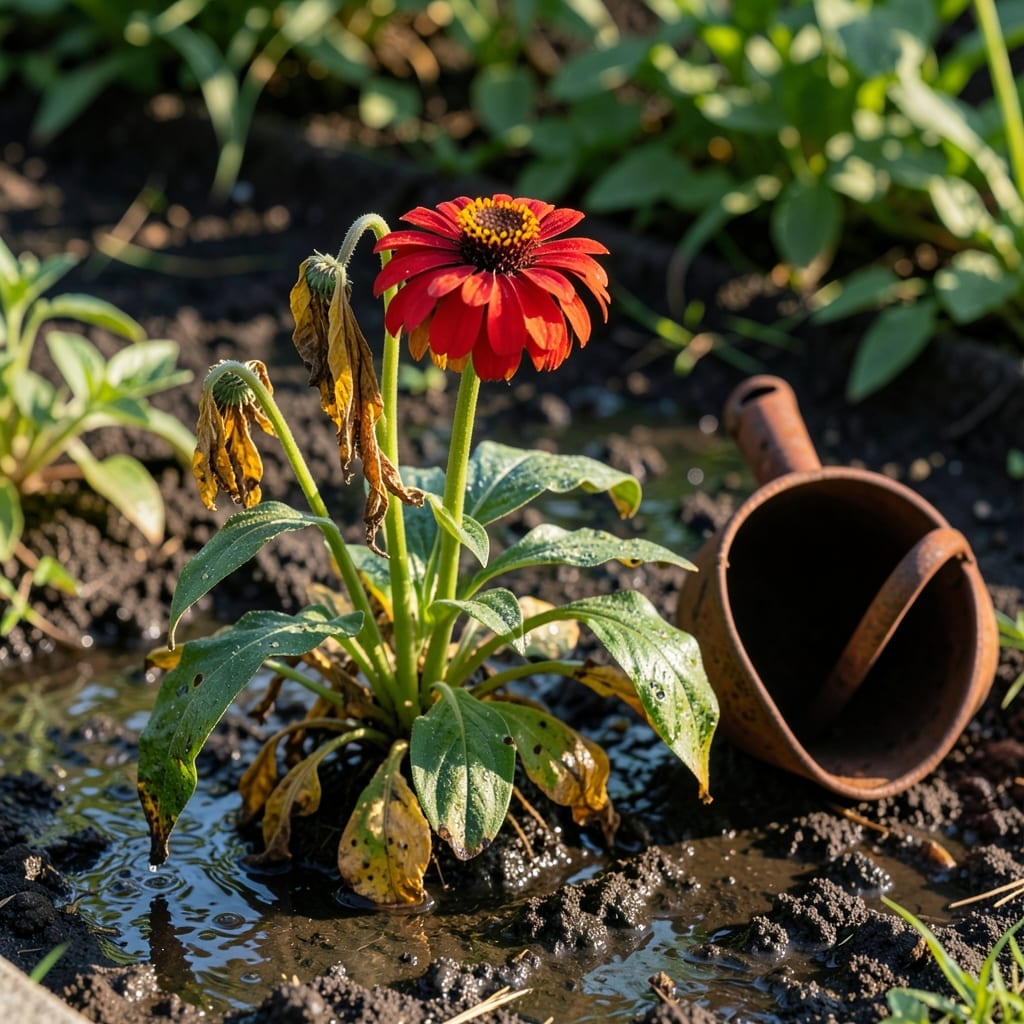
Yellow leaves and droopy stems on your zinnias? I’ve been there—it’s usually too much love, not too little. Overwatering is the silent killer of these tough flowers, and it sneaks up fast.
Zinnias thrive on neglect, not constant attention. The first sign is often wilting that doesn’t improve with more water. Roots suffocate in soggy soil, and the plant can’t bounce back without intervention.
Here’s the thing—drainage is your immediate fix. Stop watering, check the soil, and let it dry out. Most zinnias recover within 48 hours if you act fast enough.
Prevention is simpler than you think: water only when the top inch of soil feels dry. No guesswork, just consistent care.
Understanding why zinnias get overwatered starts with recognizing the key factors that disrupt their natural water balance. These vibrant annuals thrive in well-drained soil, and excess moisture can quickly turn their environment hostile. Below are the most common causes, broken down with actionable insights.
Zinnias require 1–1.5 inches of water per week, including rainfall. Overwatering often happens when gardeners stick to a rigid schedule (e.g., daily watering) without checking soil moisture. Zinnia elegans and other varieties have shallow roots, so frequent, light watering prevents them from developing deeper, drought-resistant root systems. Solution: Use the finger test—insert your finger 1–2 inches into the soil; if it’s damp, skip watering.
Heavy clay or compacted soil retains water like a sponge, suffocating zinnia roots. These plants prefer loamy, well-draining soil with a pH of 5.5–7.5. In poorly draining beds, water pools around roots, leading to Pythium or Phytophthora root rot. Solution: Amend soil with compost or sand to improve drainage before planting.
Watering zinnias from above (e.g., sprinklers) wets foliage, promoting fungal diseases like powdery mildew (Podosphaera xanthii). Drops on leaves also evaporate slowly, increasing humidity around the plant. Solution: Switch to drip irrigation or a soaker hose to deliver water directly to the soil, keeping leaves dry.
High humidity, cool temperatures, or shaded locations slow evaporation, making soil stay wet longer. Zinnias in containers are especially vulnerable—pots without drainage holes trap water, leading to root asphyxiation. Solution: Adjust watering based on weather (less in cool, rainy spells) and ensure containers have drainage holes.
Zinnias can bounce back with the right care. Here’s how to tackle each issue caused by too much water, along with tips to keep your plants thriving.
If your zinnias have yellow leaves, the roots may be suffocating. Stop watering immediately and check the soil. If it feels soggy, gently loosen the top inch with a fork to help it dry faster. For potted zinnias, ensure the container has drainage holes. If not, repot into one that does, using fresh, well-draining potting mix.
Prevention tip: 💡 Water only when the top inch of soil feels dry to the touch.
Wilting despite wet soil often means root rot. Carefully remove the plant from its pot or dig around the base in garden beds. Trim any black, mushy roots with clean scissors, then replant in fresh, dry soil. Avoid fertilizing until the plant recovers, as stressed roots can’t absorb nutrients well.
Prevention tip: 🎯 Use a moisture meter to monitor soil hydration accurately.
White mold or fuzzy growth on leaves or soil signals excess moisture. Remove affected leaves and space plants farther apart to improve airflow. Water at the base of the plant in the morning so leaves dry quickly. A light dusting of cinnamon (a natural antifungal) on the soil can help prevent further growth.
Prevention tip: ✨ Mulch with straw or gravel to reduce soil splashing onto leaves.
Overwatered zinnias may grow slowly or produce fewer blooms. Scale back watering to once every 5-7 days (adjust for heat or drought). If the soil stays wet for days, consider amending it with compost or perlite to improve drainage.
Prevention tip: 🌡️ Group zinnias with plants that have similar water needs to simplify care.
Water zinnias when the top 1 inch of soil feels dry. They typically need 1-1.5 inches per week, including rain. Overwatering leads to yellowing and wilting, so always check soil moisture first.
Yes, if caught early. Trim black, mushy roots and repot in fresh, dry soil. Stop watering until the plant shows signs of recovery, which usually takes 2-3 days.
Wilting with wet soil often means suffocating roots. Stop watering immediately and improve drainage. Most zinnias recover within 48 hours once the soil dries out.
Use pots with drainage holes and water at the base, not the leaves. Containers dry out faster, so check soil daily in hot weather. Always empty saucers after watering.