
Beautiful Plants For Your Interior
Beautiful Plants For Your Interior
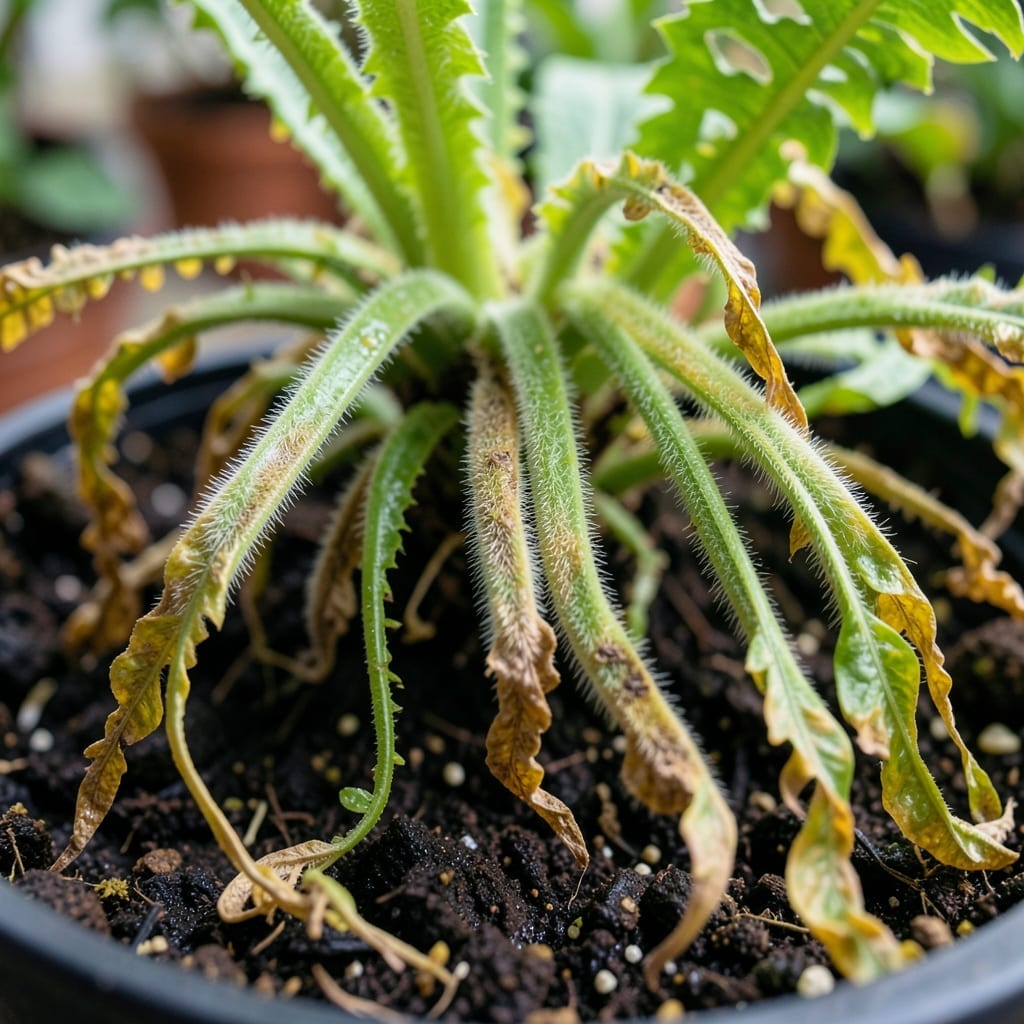
Yellow leaves on your rabbit foot fern mean trouble. I’ve lost count of how many I’ve saved from the brink after realizing they were drowning in their pots.
The problem starts subtle—soggy soil, a faint smell, then leaves turning yellow overnight. Most people water on a schedule instead of checking the soil first. These ferns hate wet feet more than they hate dry spells.
With the right approach, you can reverse the damage in 2-3 weeks. The key is letting the soil dry between waterings and giving those furry rhizomes room to breathe.
Works for any stage of overwatering, from early yellowing to full-blown root rot. Here’s exactly how to bring it back to life.
The overwatering of rabbit foot ferns often stems from a few key missteps in care. Below are the most common causes, explained with actionable insights to prevent them.
When water can’t escape the pot, it pools at the bottom, suffocating the roots. Rabbit foot ferns thrive in well-draining soil and containers with drainage holes. Without these, excess moisture leads to root rot, a fungal disease that turns roots mushy and brown. Use a mix of peat, perlite, and pine bark to improve aeration.
Many plant parents water on a rigid schedule rather than checking soil moisture. Rabbit foot ferns prefer their top inch of soil to dry out between waterings. Stick your finger in the soil—if it feels damp, hold off. Overwatering disrupts the balance of oxygen and nutrients, stressing the plant.
While these ferns love humidity, stagnant air traps moisture around the foliage and roots. This creates a breeding ground for Pythium or Phytophthora fungi. Ensure good airflow with a small fan or by spacing plants apart. Grouping them too closely can exacerbate the issue.
A pot that’s too large holds excess water the roots can’t absorb, increasing rot risk. Conversely, a pot that’s too small may cause roots to compact, reducing drainage efficiency. Choose a container just 1–2 inches wider than the root ball for optimal health.
If your rabbit foot fern is suffering from overwatering, don’t worry—there are clear steps to nurse it back to health. Below are targeted solutions based on common symptoms, along with tips to prevent future issues.
Fix: Trim the yellow or mushy leaves with clean scissors to prevent further damage. Reduce watering immediately and let the top 1-2 inches of soil dry out before watering again. Ensure the pot has drainage holes to avoid waterlogging.
Prevention: Water only when the soil feels dry to the touch. Use a well-draining potting mix with perlite or sand to improve aeration.
Fix: Gently remove the plant from its pot and inspect the roots. Trim any black, mushy roots with sterilized shears. Repot the fern in fresh, dry soil and a clean pot. Avoid watering for a few days to let the roots recover.
Prevention: Use a pot with drainage holes and avoid letting the plant sit in a saucer of water. Consider a terracotta pot, which helps wick away excess moisture.
Fix: If the soil is soggy, stop watering and move the plant to a sunny spot to help dry it out faster. For severe cases, repot the fern in fresh, dry soil.
Prevention: 💡 Pro Tip: Stick your finger into the soil before watering—if it feels damp, wait a few more days. A moisture meter can also help take the guesswork out of watering.
Fix: If you notice mold or fungus on the soil, remove the top layer of soil and replace it with fresh mix. Improve air circulation around the plant by moving it to a breezier location or using a small fan.
Prevention: Avoid overcrowding plants and ensure good airflow. Water in the morning so excess moisture can evaporate during the day.
Water only when the top 1-2 inches of soil feels dry. These ferns prefer slightly dry conditions over soggy soil. In most homes, this means watering every 1-2 weeks.
Early symptoms include yellowing leaves, especially near the base, and a musty smell from the soil. The furry rhizomes may also turn brown or mushy. Act quickly at these first signs.
Yes! Trim all black, mushy roots and repot in fresh, dry soil. Use clean scissors and a new pot to prevent reinfection. Avoid watering for 3-5 days after repotting.
A well-draining mix of 1 part peat, 1 part perlite, and 1 part pine bark prevents waterlogging. This mimics their natural, airy growing conditions.