
Beautiful Plants For Your Interior
Beautiful Plants For Your Interior
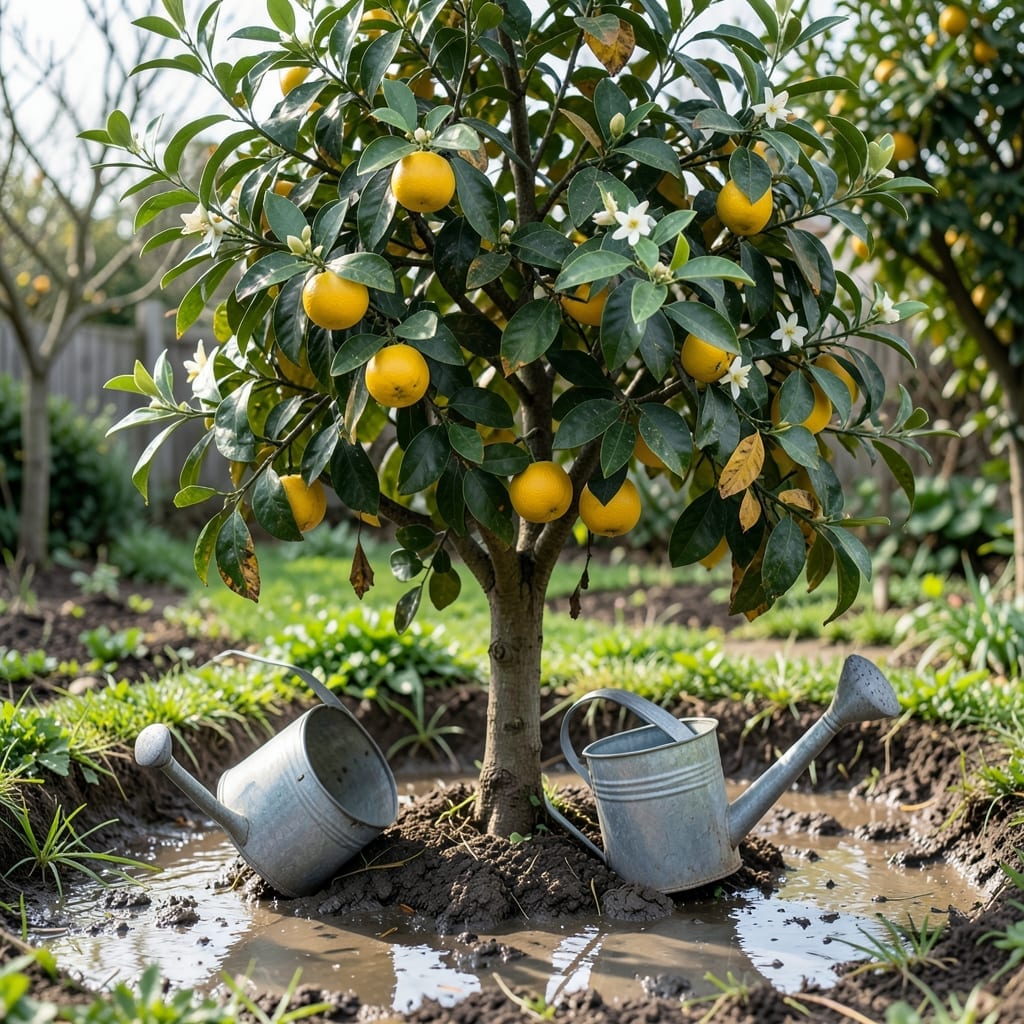
Yellowing leaves and soggy soil spelled trouble for my orange tree last spring. I nearly lost it before realizing the root of the problem—literally. Overwatering does more damage than drought for citrus, and the fix starts underground.
The solution isn’t just cutting back on water. It’s about creating an environment where roots can breathe again. I learned this the hard way after watching my tree’s leaves drop like confetti during a 3-day rainstorm.
Within 2 weeks of improving drainage and adjusting my watering, new growth appeared. The leaves perked up, the soil dried properly between waterings, and my tree started its slow but steady recovery.
This approach works for potted citrus too. Here’s how to bring your tree back from the brink.
Overwatering an orange tree isn’t just about giving it too much water—it’s about disrupting the delicate balance of moisture, oxygen, and nutrients in the soil. Here’s a breakdown of the most common causes, explained simply but grounded in science.
Orange trees thrive in well-draining soil. When planted in heavy clay or compacted soil, water pools around the roots, suffocating them. Roots need oxygen to respire, and waterlogged soil cuts off this supply, leading to root rot. Even in pots, missing or clogged drainage holes can trap excess water.
Many gardeners assume citrus trees need frequent watering, but orange trees prefer deep, infrequent hydration. Shallow, daily watering encourages weak root growth near the surface, where moisture evaporates quickly. This prompts more watering—a vicious cycle. Check soil moisture 2–3 inches down before watering; if it’s damp, wait.
Cooler temperatures and high humidity slow evaporation, meaning water lingers longer in the soil. If you water on a fixed schedule without adjusting for seasonal changes (e.g., rainy periods or winter dormancy), you risk overwatering. Similarly, shaded trees dry out slower than those in full sun.
Potted orange trees are especially vulnerable. Small containers restrict root growth and dry out unevenly, tempting owners to overcompensate with water. Use fabric pots or those with ample drainage, and repot as the tree grows to prevent waterlogging.
Here’s how to nurse your citrus back to health, step by step.
If leaves turn pale yellow and feel soft, halt all irrigation until the top 2 inches of soil are dry. Stick your finger in—if it’s damp, wait another day. Prevention tip: Water only when the soil feels dry at a 2-inch depth.
Dark, mushy roots mean excess moisture. Repot in fresh, well-draining citrus mix with perlite or sand. Trim black, squishy roots with sterilized shears. Prevention tip: Use pots with drainage holes and elevate them on feet to avoid waterlogging.
Overwatering stresses the tree, causing fruit drop. Switch to deep, infrequent watering—soak the root zone once a week in summer, less in cooler months. Prevention tip: Mulch with bark to retain moisture without suffocating roots.
White mold on soil or black spots on leaves signal fungal growth. Apply a copper fungicide and increase airflow around the tree. Prevention tip: Space plants apart and prune dense foliage to improve circulation.
💡 Pro tip: Always use a moisture meter for precision—citrus trees prefer slightly dry over soggy!
Water deeply once a week in summer, less in cooler months. Always check soil moisture 2 inches down first. If it’s damp, wait another day.
Yellowing leaves, soft or dropping fruit, and soggy soil are early warnings. Dark, mushy roots indicate advanced root rot. Act fast if you notice these.
Yes! Stop watering, improve drainage, and trim damaged roots. Most trees bounce back within 2-3 weeks if caught early.
A moisture meter is the most reliable tool. Citrus prefers slightly dry soil, so aim for readings in the “dry” range before watering again.