
Beautiful Plants For Your Interior
Beautiful Plants For Your Interior
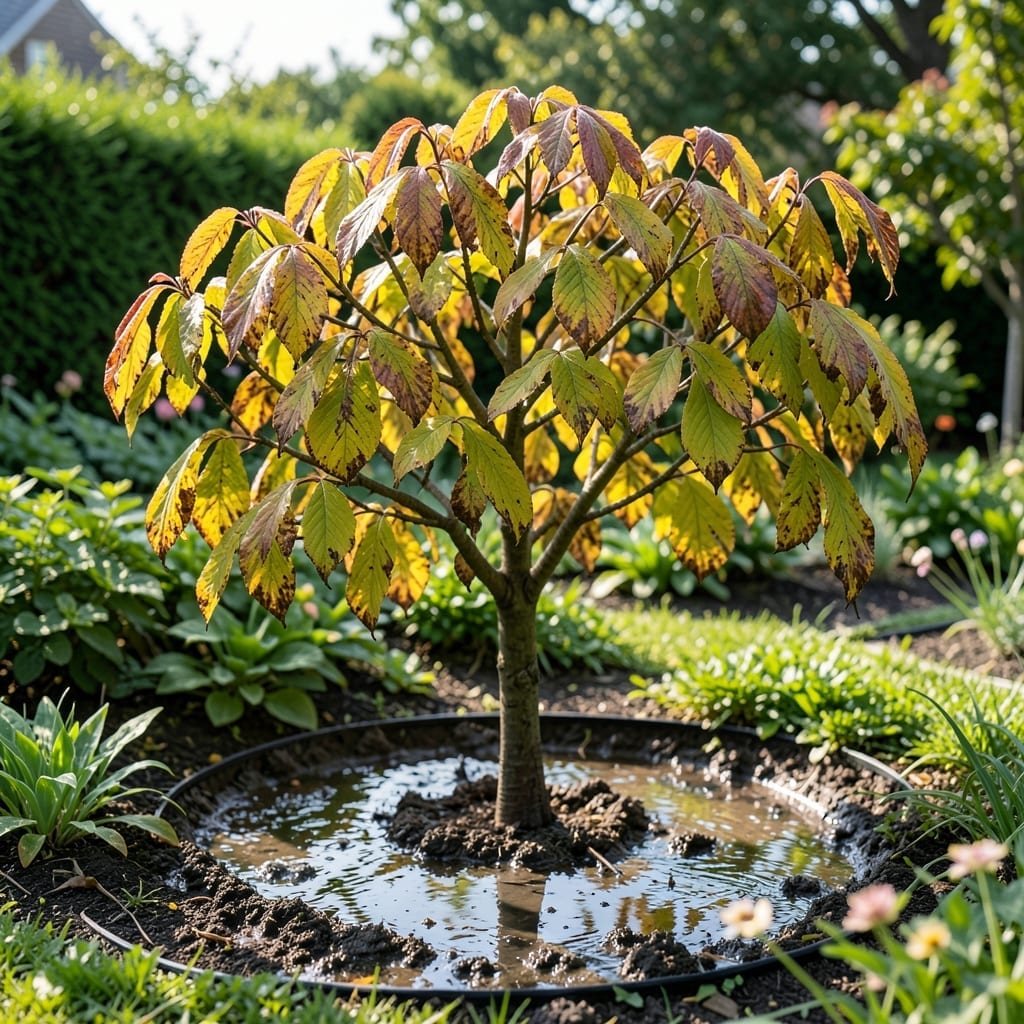
Yellow leaves on your dogwood aren’t just sad—they’re a cry for help. I’ve seen too many overwatered trees slowly drown while their owners thought they were being kind.
What starts as extra care often ends in root rot. The soil stays soggy, roots suffocate, and the tree can’t absorb nutrients even when they’re right there. My neighbor lost two mature dogwoods this way before we figured out the fix.
Here’s the thing—dogwoods need well-draining soil and a watering schedule that mimics natural rainfall, not a daily soak. The recovery starts with letting the roots breathe again.
The good news? With the right steps, even a struggling tree can bounce back. You’ll see new growth within 4-6 weeks once the roots dry out and the soil conditions improve.
Overwatering a dogwood tree often stems from a mix of environmental factors and well-intentioned but misguided care. Below are the most common causes, explained with actionable insights to help you avoid them.
Dogwood trees thrive in well-draining, slightly acidic soil (pH 5.5–6.5). When planted in heavy clay or compacted soil, water pools around the roots, suffocating them and promoting fungal growth like Phytophthora root rot. Test drainage by digging a 1-foot hole, filling it with water, and observing how quickly it empties—ideally within 1–2 hours.
Many gardeners assume frequent watering equals healthy growth, but dogwoods prefer deep, infrequent watering. Shallow, daily watering encourages weak root systems and waterlogged soil. Stick to 1–1.5 inches of water per week (including rainfall), and always check the top 2–3 inches of soil for dryness before watering again.
Planting a dogwood too deep buries its root flare (where roots meet the trunk), trapping moisture against the bark. This creates a perfect environment for rot. The root flare should always be visible at soil level. If buried, gently expose it by removing excess soil.
While mulch helps retain moisture, excessive or improperly placed mulch can smother roots and trap water. Keep mulch 2–3 inches deep and 4–6 inches away from the trunk to allow airflow. Use organic mulch like wood chips, which decompose slowly and improve soil structure over time.
Don’t panic—your dogwood can bounce back! Here’s how to fix the most common issues caused by overwatering, with simple steps and prevention tips.
If your dogwood’s leaves are turning yellow, the roots may be suffocating. Stop watering immediately and check the soil. If it’s soggy, dig a small trench around the base to help water drain away. For potted trees, ensure the container has drainage holes. Prevention tip: 💡 Water only when the top 1-2 inches of soil are dry.
Mushy, dark roots? Root rot has likely set in. Carefully prune affected roots with sterilized shears and treat the remaining roots with a fungicide (like copper-based products). Repot or replant in fresh, well-draining soil. Prevention tip: ✨ Avoid waterlogging by planting in raised beds or slopes if your soil retains too much moisture.
Overwatered trees can wilt just like underwatered ones. Let the soil dry out before watering again. If the tree is in a low-lying area, consider relocating it to higher ground. Prevention tip: 🌡️ Use a moisture meter to take the guesswork out of watering—aim for 30-50% soil moisture.
Excess moisture invites fungal diseases like powdery mildew. Thin out dense branches to improve airflow and remove fallen leaves or debris around the base. Apply a fungicide if needed. Prevention tip: 🎯 Space dogwoods at least 15-20 feet apart to reduce humidity buildup.
With these fixes and a little patience, your dogwood will be back to its vibrant self in no time!
Dogwoods need 1-1.5 inches of water per week, including rainfall. Always check that the top 2-3 inches of soil are dry before watering again.
Yellowing leaves and wilting are the earliest signs. You may also notice soggy soil and a foul odor from the roots, indicating potential rot.
Yes! Prune affected roots with sterilized shears and treat with a copper-based fungicide. Replant in fresh, well-draining soil for best results.
If mulch is too deep or piled against the trunk, it can trap moisture. Keep it 2-3 inches deep and 4-6 inches away from the trunk.