
Beautiful Plants For Your Interior
Beautiful Plants For Your Interior
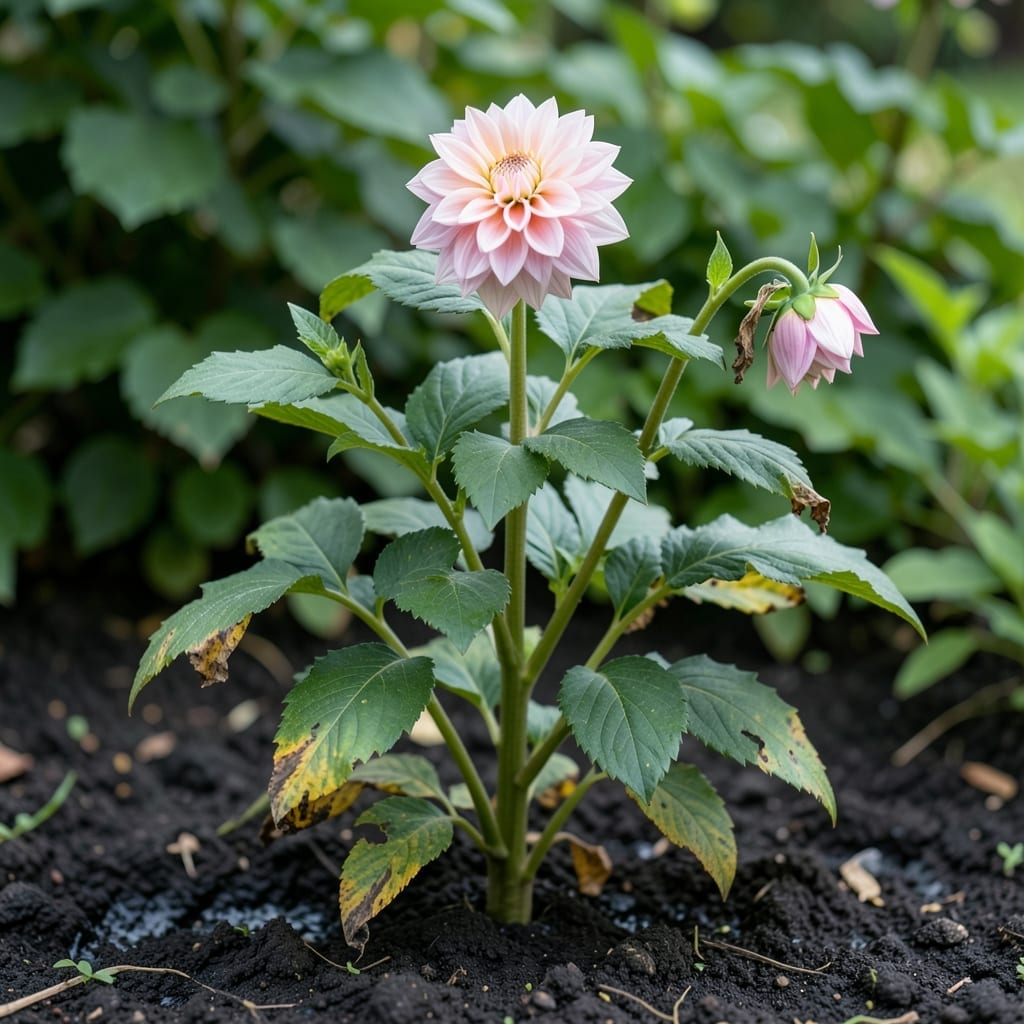
Yellowing leaves and mushy stems on your dahlia mean trouble. 🌿 I’ve saved more than a few by catching overwatering early—before root rot sets in deep.
Dahlias hate wet feet. The first sign is usually wilting despite damp soil, then black stems and a foul smell. Most gardeners water on a schedule instead of checking soil first.
You’ll revive them by letting soil dry between waterings, improving drainage, and trimming damaged growth. 3-5 days of proper care often brings them back from the brink.
Works for potted plants too—just ensure containers have drainage holes. Here’s how to fix it fast.
Even the most well-intentioned gardeners can accidentally drown their dahlias. Here’s why it happens, and how to stop it at the root.
Dahlias thrive on consistent moisture, but their roots need oxygen, too. Watering too often—especially in heavy or poorly draining soil—saturates the root zone, suffocating the plant. Soggy soil displaces air pockets, preventing roots from respiring and leading to rot.
If your soil retains water like a sponge (common in clay-heavy mixes), or your pots lack drainage holes, water has nowhere to go. Stagnant water creates anaerobic conditions, where harmful bacteria and fungi (like Phytophthora or Pythium) thrive, attacking dahlia roots.
In spring or fall, cooler temps mean soil stays wet longer. Dahlias prefer warm, well-draining conditions—when the mercury drops, their water uptake slows, but the soil doesn’t dry out fast enough. This mismatch can trigger edema (swollen stems) or root asphyxiation.
Bigger pots hold more soil—and more moisture. If your dahlia’s container is disproportionately large for its root ball, the excess soil stays damp long after the plant has drunk its fill, increasing the risk of waterlogging.
If your dahlia is showing signs of overwatering, act quickly to revive it. Below are targeted solutions for common issues, along with tips to prevent future problems.
If the leaves are turning yellow, stop watering immediately and let the soil dry out. Stick your finger 1-2 inches into the soil—if it feels damp, wait a few days before watering again. Once the topsoil is dry, resume watering only when needed. Use a moisture meter for precision.
Prevention tip: 💡 Water deeply but infrequently—dahlias prefer a good soak once a week over daily light sprinkles.
Wilting with soggy soil often means roots are suffocating. Repot the plant in fresh, well-draining soil mixed with perlite or sand. If planted in the ground, amend the soil with compost to boost aeration. Ensure pots have drainage holes—no exceptions!
Prevention tip: ✨ Elevate potted dahlias to prevent waterlogging, and avoid saucers that trap excess water.
For mushy, blackened roots, act fast: Gently remove the plant, trim away rotten roots with sterilized shears, and replant in clean, dry soil. Apply a fungicide to the remaining roots to prevent further infection. If the rot is severe, propagate healthy cuttings to save the plant.
Prevention tip: 🎯 Space dahlias 12-18 inches apart for airflow, and avoid overhead watering to keep foliage dry.
Overwatering often pairs with poor light or humidity. Move your dahlia to a spot with full sun (6+ hours daily) and good air circulation. If humidity is high, water in the morning so excess moisture evaporates by evening.
Prevention tip: 🌡️ Use a rain gauge to track natural watering—dahlias need about 1 inch of water per week, including rainfall.
Water deeply once weekly, allowing soil to dry between sessions. Stick your finger 1-2 inches into soil—if damp, wait 2-3 days before checking again.
Yellowing leaves and wilting despite wet soil signal overwatering. Black stems and a foul smell indicate root rot, requiring immediate action.
Yes! Trim rotten roots with sterilized shears, repot in fresh, dry soil, and apply fungicide. For severe cases, propagate healthy cuttings.
Ensure containers have drainage holes and use well-draining soil. Elevate pots to prevent waterlogging, and avoid saucers that trap moisture.