
Beautiful Plants For Your Interior
Beautiful Plants For Your Interior
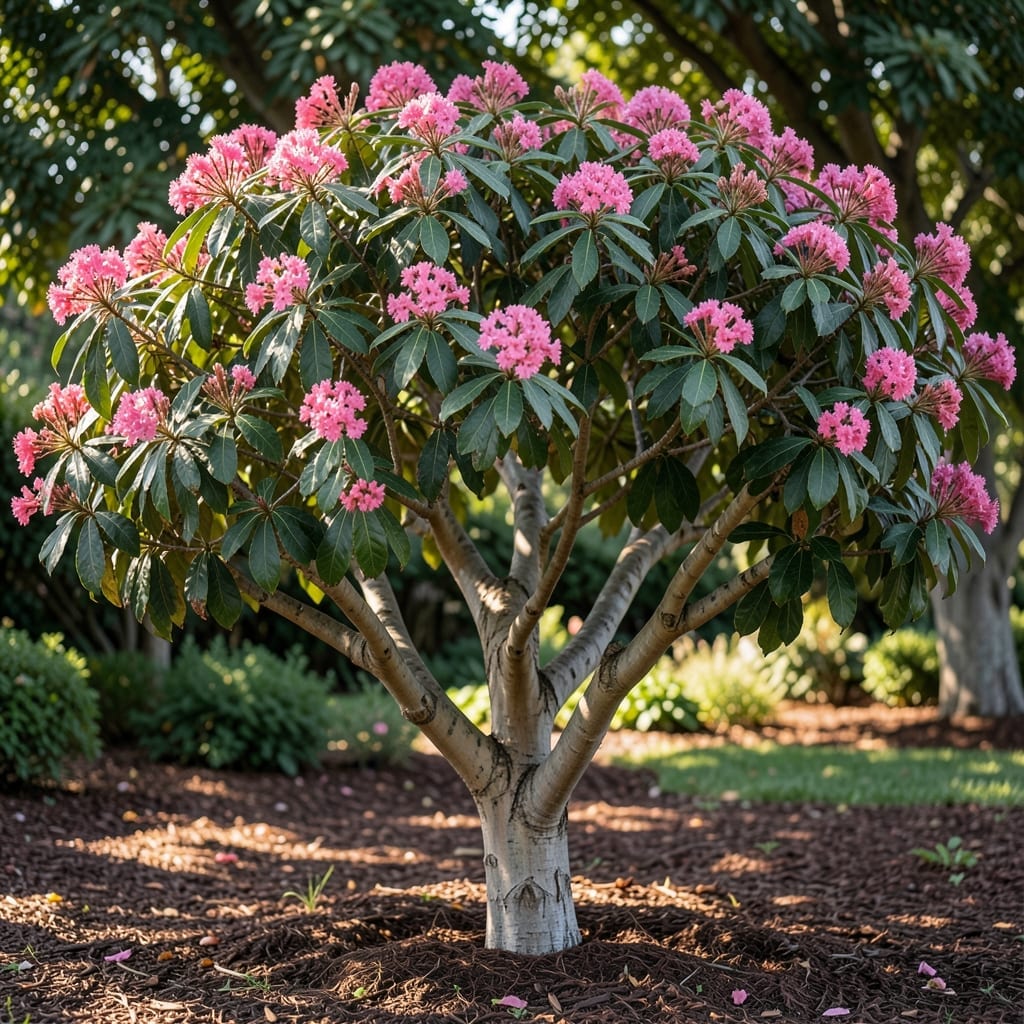
Yellow leaves and drooping branches on your crepe myrtle? That’s usually a red flag for too much water. I’ve rescued several by catching the signs early and adjusting my approach.
These tough plants actually prefer slightly dry conditions. The roots suffocate when soil stays soggy, leading to wilting and leaf drop. Most gardeners overwater out of love, but crepe myrtles thrive on a little neglect.
Recovery starts with letting the soil dry out between waterings. A simple moisture check with your finger works better than any schedule. Within 2-3 weeks, you’ll see new growth returning.
Prevention is even easier: plant in well-draining soil and water deeply but only once weekly during dry spells. They’ll reward you with vibrant blooms and healthy foliage all season.
Overwatering your crepe myrtle often stems from a few common missteps in care. Understanding these causes helps you adjust your routine and prevent stress to this resilient but water-sensitive plant.
Crepe myrtles thrive in well-draining soil and are drought-tolerant once established. When watered too often—especially in heavy or clay soils—the roots suffocate from lack of oxygen. This leads to root rot, a fungal disease that decays the root system, starving the plant of nutrients and water uptake.
Soil that retains water (like compacted or clay-heavy mixes) traps moisture around the roots. Even moderate watering can become excessive if the soil doesn’t drain properly. Crepe myrtles prefer slightly acidic to neutral, loose soil—amending with organic matter (e.g., compost) improves drainage and reduces overwatering risks.
While mulch conserves moisture and regulates soil temperature, too much mulch (especially piled against the trunk) holds excess water against the base. This creates a damp environment ideal for fungal growth and bark rot. Keep mulch 2–3 inches deep and 6 inches away from the trunk to allow airflow.
Many gardeners water on a fixed schedule without accounting for rain. Crepe myrtles typically need 1–1.5 inches of water per week (including rainfall). Using a rain gauge or checking soil moisture (stick your finger 2 inches deep—if it’s damp, skip watering) prevents accidental overhydration.
Reviving an overwatered crepe myrtle starts with quick action and consistent care. Here’s how to tackle the most common issues and restore your plant’s health.
If your crepe myrtle is drowning, stop watering immediately. Let the soil dry out completely before the next watering. To speed up drainage, loosen the soil around the roots with a garden fork (gently!) to create air pockets. For potted plants, repot in fresh, well-draining soil and ensure the container has drainage holes. Prevention tip: 💡 Use a moisture meter to check soil dryness—water only when the top 2-3 inches are dry.
Yellow leaves often signal overwatering. Reduce watering frequency and switch to deep, infrequent watering (about 1-2 times per week, depending on climate). Mulch around the base to retain moisture without suffocating roots. Prevention tip: ✨ Early morning watering allows excess moisture to evaporate during the day.
Overwatering invites fungal diseases like root rot. Trim affected roots (sterilize pruners with rubbing alcohol!) and treat with a copper-based fungicide. For mild cases, a hydrogen peroxide solution (1 tbsp per gallon of water) can help oxygenate roots. Prevention tip: 🎯 Space plants properly for airflow and avoid overhead watering to keep foliage dry.
If growth has stalled, prune dead or mushy branches to redirect energy to healthy parts. Fertilize lightly with a balanced, slow-release product to avoid stressing the plant further. Prevention tip: 🌡️ Always match watering to the season—crepe myrtles need less in cooler months.
With these steps, your crepe myrtle can bounce back stronger. Consistency is key—observe, adjust, and let the soil guide you!
Look for yellowing leaves, drooping branches, or mushy stems. The soil will stay soggy long after watering. A simple finger test—if the top 2-3 inches of soil feel damp, hold off on watering.
Yes, if caught early. Trim away black, mushy roots and repot in fresh, well-draining soil. Treat with a copper fungicide and reduce watering. Recovery takes 2-3 weeks with proper care.
Use loose, well-draining soil with compost or perlite. Avoid heavy clay or compacted mixes. Raise beds or use containers with drainage holes for better airflow.
Water deeply once weekly unless rainfall provides 1-1.5 inches. Early morning is ideal. Always check soil moisture before adding more.