
Beautiful Plants For Your Interior
Beautiful Plants For Your Interior
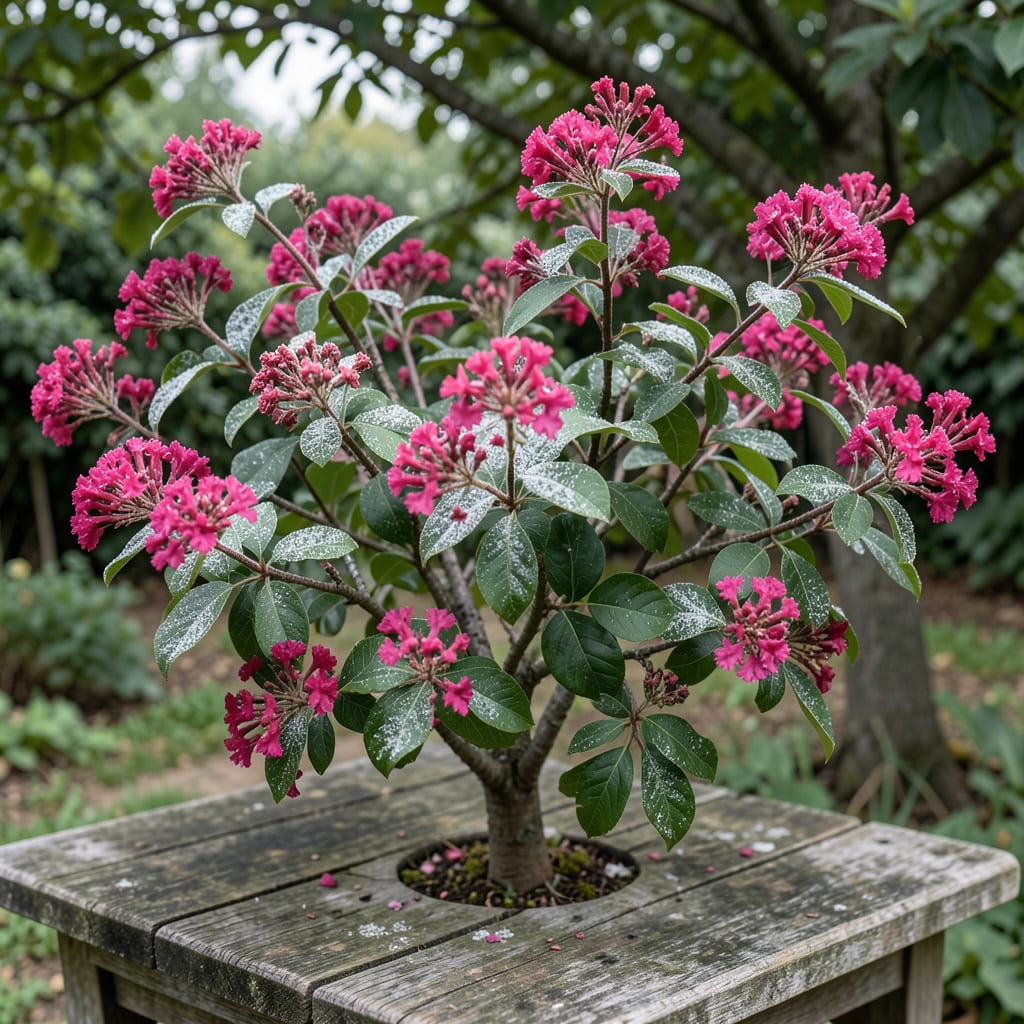
White powdery spots on your crepe myrtle leaves mean mildew has moved in. I’ve battled this fungal nuisance every humid summer until I cracked the prevention code.
Overhead watering and crowded branches create the perfect storm for mildew. The solution starts with better airflow and morning watering—simple changes that stop spores before they spread.
Natural remedies like neem oil or baking soda spray work surprisingly well. I’ve seen visible improvement within days of the first application when caught early.
These 3 strategies keep my plants mildew-free all season now. No more watching beautiful blooms get ruined by white dust.
Mildew on crepe myrtles often stems from a mix of environmental and cultural factors. Understanding these triggers helps you address the root of the problem.
Powdery mildew thrives in humid conditions (above 60% relative humidity) and spreads rapidly when air circulation is limited. Crepe myrtles planted too closely or in shaded, dense areas trap moisture, creating a perfect breeding ground for fungal spores.
Watering from above wets the foliage, and if leaves stay damp for 6+ hours, spores germinate. Evening watering is especially risky—cool night temps slow evaporation. Always water at the base early in the day to let foliage dry quickly.
Over-fertilizing with nitrogen promotes lush, soft growth that’s highly susceptible to mildew. Use a balanced fertilizer (e.g., 10-10-10) and avoid late-season nitrogen, which fuels tender new shoots just before winter dormancy.
Crepe myrtles need full sun (6+ hours/day) to stay healthy. Shaded trees or those under dense canopies retain moisture longer, weakening their natural defenses. Prune nearby branches to improve sunlight penetration.
Dealing with mildew on your crepe myrtle can be frustrating, but these practical solutions will help you restore your plant’s health. Below, we break down fixes based on the root cause, along with prevention tips to keep mildew at bay.
Mildew thrives in crowded, humid spaces. Trim dense branches to improve airflow around and within the plant. Remove any crossing or inward-growing stems to open up the canopy. This simple step reduces moisture buildup and discourages fungal growth.
Prevention tip: 💡 Space crepe myrtles at least 6–10 feet apart when planting to ensure long-term airflow.
Wet leaves are a mildew magnet. Switch to drip irrigation or soaker hoses to water at the base of the plant, keeping foliage dry. If you must use a sprinkler, water early in the morning so leaves have time to dry before evening.
Prevention tip: 🌡️ Water deeply but less frequently to encourage strong roots and reduce surface moisture.
For existing mildew, spray leaves with a baking soda solution (1 tbsp baking soda + 1 tsp dish soap + 1 gallon of water) every 7–10 days until the issue clears. Neem oil is another effective natural fungicide—mix as directed and apply in the evening to avoid leaf burn.
Prevention tip: ✨ Remove fallen leaves and debris around the base to eliminate spore hiding spots.
Crepe myrtles need full sun (6+ hours daily) to stay healthy. If your plant is shaded, prune nearby trees or consider transplanting it to a sunnier spot. More sunlight = less moisture = less mildew.
Prevention tip: 🎯 Choose a planting location with ample sunlight from the start.
Powdery mildew can spread across a crepe myrtle in 2-3 days under ideal conditions. Warm temps and high humidity accelerate growth, so act fast when you spot the first white spots.
Rarely. While unsightly, mildew typically weakens rather than kills mature crepe myrtles. However, severe untreated cases can stunt growth and reduce flowering.
Yes, but dilute properly. Mix 2-3 tablespoons of apple cider vinegar per gallon of water. Test on a small area first—undiluted vinegar can damage leaves.
Spores travel easily by wind and water. Keep infected plants isolated and avoid working with them when foliage is wet to prevent spreading.
